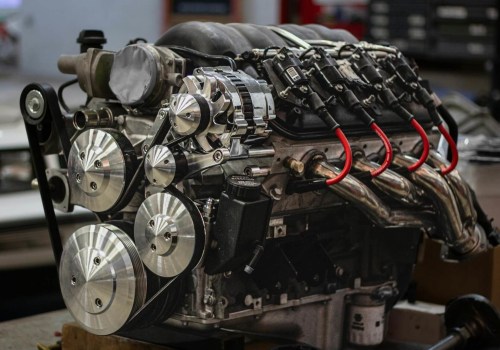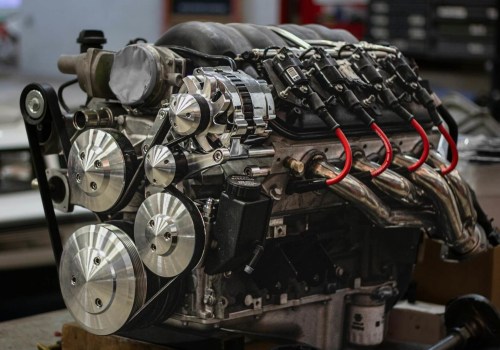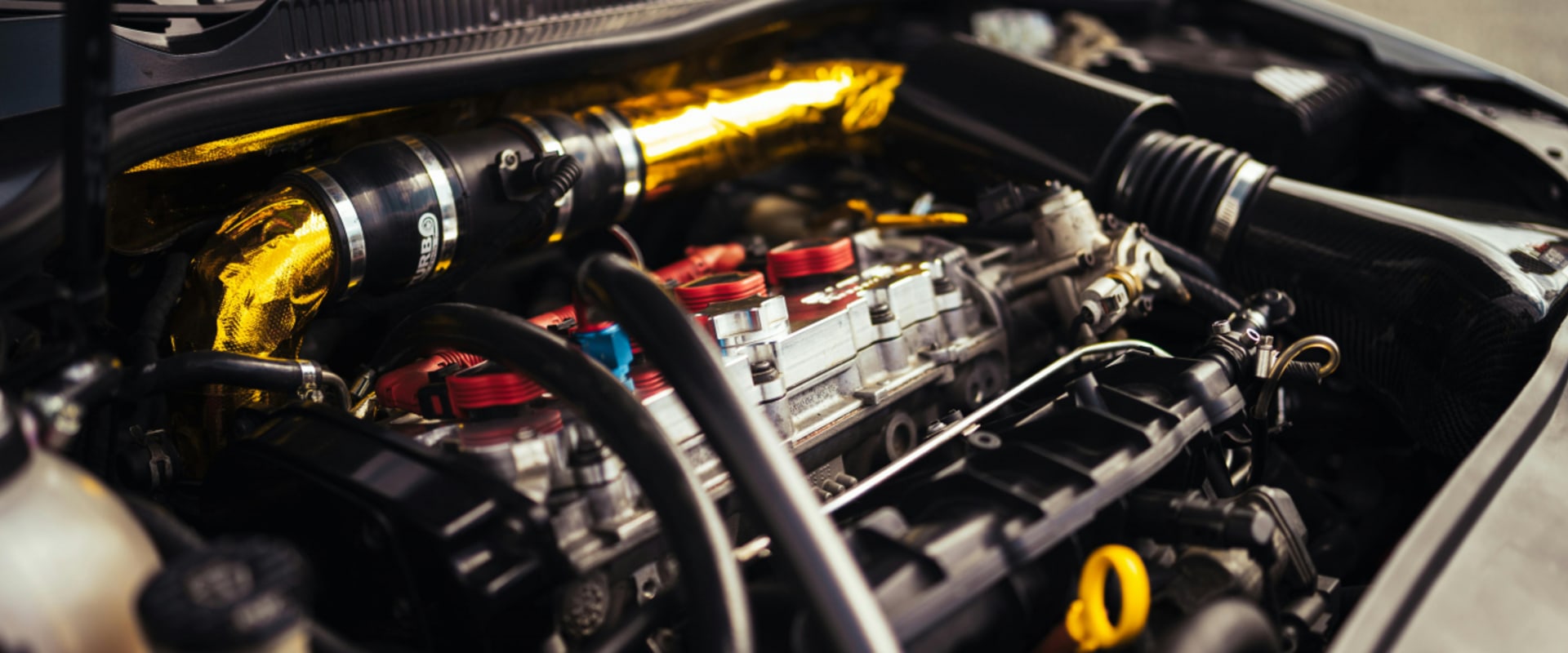
Engine tuning is a critical aspect of automotive performance that involves adjusting and optimizing various parameters of an engine to enhance its efficiency and power output. At its core, engine tuning services focus on fine-tuning the engine's fuel-air mixture, ignition timing, and other variables to achieve optimal performance. This process can significantly impact how a vehicle accelerates, handles, and responds to driver inputs, making it a popular choice among car enthusiasts and everyday drivers alike. The significance of engine tuning lies in its ability to unlock the full potential of a vehicle's engine. Many factory settings prioritize fuel economy and emissions compliance over performance, which can leave a lot of power on the table.
By utilizing professional engine tuning services, drivers can experience noticeable improvements in horsepower and torque, leading to a more exhilarating driving experience. Additionally, tuning can enhance fuel efficiency, allowing for better mileage without sacrificing performance. Moreover, the benefits of engine tuning extend beyond mere power gains. A well-tuned engine can lead to smoother operation, reduced wear and tear on components, and improved overall reliability. As vehicles become more advanced with technology, the need for specialized tuning services has grown, making it essential for owners to understand how these adjustments can transform their driving experience.
Whether you're looking to enhance your daily commute or unleash the full potential of a performance vehicle, understanding engine tuning is the first step toward achieving your automotive goals.
The Basics of Engine Tuning
Engine tuning is a critical process that enhances the performance of a vehicle by optimizing its engine parameters. Understanding the basics of engine tuning is essential for anyone looking to improve their vehicle's efficiency and power output.At its core, engine tuning involves adjusting various components and settings within the engine to achieve better performance. This can be accomplished through several methods:- ECU Remapping: This is one of the most common forms of engine tuning. The Engine Control Unit (ECU) is reprogrammed to modify fuel maps, ignition timing, and other parameters.
This allows for improved throttle response and increased horsepower.
- Performance Chips: These chips can be installed to enhance the engine's performance by altering the factory settings. They often provide a quick and cost-effective way to boost power without extensive mechanical changes.
- Mechanical Adjustments: This includes modifications such as changing the exhaust system, upgrading air intake systems, or adjusting turbochargers. These physical changes can significantly impact engine performance by improving airflow and reducing back pressure.
Each method has its unique benefits and can be tailored to meet specific driving needs or preferences.
How Engine Tuning Enhances Performance
Engine tuning is a critical process that can significantly enhance your vehicle's performance. By optimizing various engine parameters, engine tuning services can lead to substantial improvements in both horsepower and torque, making your driving experience more exhilarating.Horsepower Increase
- One of the primary benefits of engine tuning is the increase in horsepower. This is achieved by adjusting the air-fuel mixture, ignition timing, and other engine settings to ensure that the engine operates at its peak efficiency.
- For example, a typical performance tune can yield an increase of 10-20% in horsepower, depending on the vehicle and the modifications made. This means that a car with 300 horsepower could see an increase of 30 to 60 additional horsepower.
Torque Improvement
- In addition to horsepower, engine tuning also enhances torque, which is crucial for acceleration and overall drivability.
Increased torque allows for quicker starts and better performance during overtaking maneuvers.
- Tuning can improve torque by optimizing the engine's power band, allowing it to deliver more power at lower RPMs. This is particularly beneficial for vehicles used for towing or off-roading.
Real-World Examples
- A common example is the tuning of turbocharged engines, where adjustments can lead to significant gains in both horsepower and torque without requiring extensive hardware changes.
- Many enthusiasts report noticeable improvements in throttle response and overall driving dynamics after undergoing professional tuning services.
Fuel Efficiency and Engine Tuning
Engine tuning services play a crucial role in enhancing fuel efficiency, allowing drivers to enjoy better gas mileage while also contributing to a more eco-friendly driving experience. By optimizing various engine parameters, tuning can significantly reduce fuel consumption without sacrificing performance.One of the primary ways engine tuning improves fuel efficiency is through the adjustment of the air-fuel mixture.A well-tuned engine ensures that the right amount of fuel is burned with the optimal amount of air, leading to a more complete combustion process. This not only maximizes power output but also minimizes wasted fuel, resulting in improved gas mileage.
Eco-Friendly Tuning Options
In recent years, there has been a growing emphasis on eco-friendly tuning options. These services focus on reducing emissions and enhancing fuel economy, making them an attractive choice for environmentally conscious drivers. Some popular eco-friendly tuning methods include:- ECU Remapping: This involves reprogramming the engine control unit (ECU) to optimize performance parameters for better fuel efficiency.
- Performance Chips: Installing performance chips can help fine-tune engine settings, leading to improved combustion and reduced emissions.
- Cold Air Intakes: Upgrading to a cold air intake system can enhance airflow to the engine, promoting better combustion and efficiency.
The combination of enhanced performance and improved fuel economy makes engine tuning an appealing option for those looking to maximize their vehicle's potential while being mindful of environmental impacts.In conclusion, engine tuning is a powerful tool for improving fuel efficiency. With various eco-friendly options available, drivers can achieve better gas mileage while supporting sustainable practices. Whether through ECU remapping or performance upgrades, the benefits of tuning extend beyond just performance, making it a wise investment for both your wallet and the planet.
Common Myths About Engine Tuning
When it comes to engine tuning services, there are numerous myths and misconceptions that can cloud a car owner's judgment. Understanding these myths is crucial for making informed decisions about tuning options.Myth 1: Engine Tuning is Only for Racing
Many believe that engine tuning is solely for high-performance racing vehicles.In reality, tuning can benefit everyday drivers by enhancing fuel efficiency, improving throttle response, and optimizing overall engine performance. Whether you drive a compact car or a heavy-duty truck, tuning can provide noticeable improvements.
Myth 2: Tuning Always Voids the Warranty
Another common misconception is that any form of tuning will automatically void your vehicle's warranty. While some modifications may affect warranty coverage, many reputable engine tuning services offer options that comply with manufacturer specifications. It's essential to consult with your dealer and choose a service that maintains warranty integrity.Myth 3: All Tuning Services Are the Same
Not all engine tuning services are created equal.Some may focus on superficial adjustments, while others provide comprehensive remapping of the engine's control unit (ECU). It's vital to research and select a service that uses advanced technology and experienced technicians to ensure optimal results.
Myth 4: Tuning is Dangerous for Your Engine
Many car owners fear that tuning will lead to engine damage or decreased reliability. However, when performed correctly by professionals, engine tuning can enhance performance without compromising engine health. Proper tuning takes into account the vehicle's specifications and ensures that all adjustments are safe and effective.Myth 5: You Need Special Fuel After Tuning
While some high-performance tunes may require premium fuel, many standard tunes are designed to work with regular gasoline.It's important to discuss fuel requirements with your tuner beforehand to avoid any surprises at the pump.By debunking these common myths about engine tuning, car owners can better understand the benefits and make informed choices regarding engine tuning services. Knowledge is power when it comes to enhancing your vehicle's performance!
Choosing the Right Engine Tuning Service
When it comes to enhancing your vehicle's performance through engine tuning services, selecting the right provider is crucial. With numerous options available, making an informed choice can significantly impact your vehicle's efficiency and longevity. Here are some key factors to consider:- Reputation: Start by researching the reputation of potential engine tuning companies.
Look for businesses that have been in the industry for several years and have a solid track record. Online forums, automotive blogs, and social media platforms can provide insights into customer experiences.
- Experience: The experience of the tuning service is another critical factor. Companies with extensive experience are more likely to understand the nuances of different engine types and tuning techniques. Ask about their specialization—some may focus on specific brands or types of vehicles.
- Customer Reviews: Reading customer reviews can give you a clearer picture of what to expect.
Look for testimonials that highlight not only the quality of the tuning but also customer service and post-tuning support. Websites like Yelp or Google Reviews can be valuable resources.
- Certifications: Check if the tuning service has any certifications or affiliations with recognized automotive organizations. This can be an indicator of their commitment to quality and adherence to industry standards.
- Services Offered: Different tuners may offer varying services, from basic remapping to advanced performance upgrades. Ensure that the company you choose provides the specific services you need for your vehicle.
Remember, investing time in choosing the right engine tuning service will pay off in terms of performance and reliability.
FAQs About Engine Tuning Services
Engine tuning services can often raise a multitude of questions for car enthusiasts and everyday drivers alike. Here are some of the most frequently asked questions regarding engine tuning:- What is engine tuning?
Engine tuning refers to the process of modifying the engine's performance parameters to enhance its efficiency, power output, and overall driving experience. This can involve adjustments to the fuel-air mixture, ignition timing, and other critical engine settings. - How does engine tuning improve performance?
By optimizing these parameters, engine tuning services can lead to increased horsepower and torque, improved throttle response, and better fuel economy. This means your vehicle can perform better under various driving conditions. - Is engine tuning worth it?
For many drivers, the benefits of enhanced performance and efficiency make engine tuning a worthwhile investment.However, it’s essential to consider your specific needs and how you use your vehicle. If you seek improved acceleration or towing capacity, tuning may be particularly beneficial.
- Are there risks associated with engine tuning?
While most professional engine tuning services are safe, improper tuning can lead to engine damage or reduced reliability. It’s crucial to choose a reputable service provider who understands your vehicle's specifications. - How often should I tune my engine?
The frequency of engine tuning can depend on several factors, including your driving habits and whether modifications have been made to the vehicle. Generally, it’s advisable to consider a tune-up every 30,000 miles or after significant changes to the engine.
Conclusion: The Future of Engine Tuning and Performance Enhancement
In conclusion, engine tuning services play a pivotal role in enhancing vehicle performance, offering a range of benefits that cater to both casual drivers and automotive enthusiasts alike.Throughout this article, we have explored how tuning can optimize engine efficiency, increase horsepower, and improve overall drivability. By adjusting parameters such as fuel-air mixture, ignition timing, and throttle response, tuning services can unlock the hidden potential of an engine.As we look to the future, the landscape of engine tuning is poised for significant evolution. With advancements in technology, we can expect to see more sophisticated tuning solutions that leverage artificial intelligence and machine learning. These innovations will allow for real-time adjustments based on driving conditions and individual driver preferences, making tuning more accessible and effective than ever before.Moreover, the rise of electric vehicles (EVs) presents new opportunities for performance enhancement.
While traditional tuning methods may not apply directly to EVs, software-based optimizations will become increasingly important. As manufacturers develop more advanced battery management systems and electric drivetrains, tuning services will adapt to ensure that these vehicles perform at their best.In summary, the importance of engine tuning services cannot be overstated. They not only enhance performance but also contribute to a more enjoyable driving experience. As automotive technology continues to advance, staying informed about the latest trends in engine tuning will be essential for anyone looking to maximize their vehicle's potential.