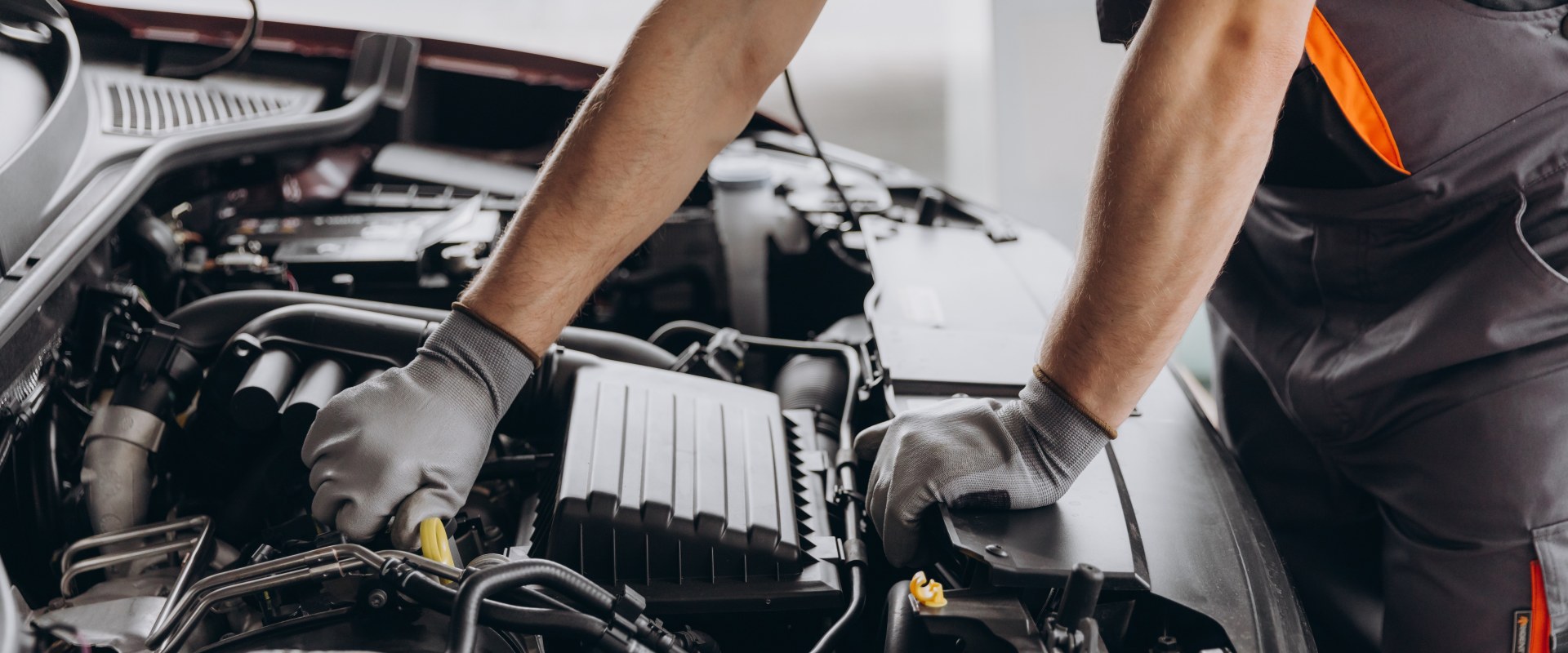
Engine tuning services are essential for optimizing a vehicle's performance, efficiency, and overall driving experience. At its core, engine tuning involves adjusting various parameters of the engine management system to enhance power output, fuel efficiency, and responsiveness. This process can include modifications to the air-fuel mixture, ignition timing, and even the exhaust system. By fine-tuning these elements, mechanics can unlock the full potential of an engine, making it not only more powerful but also more efficient. The importance of engine tuning services cannot be overstated.
For car enthusiasts and everyday drivers alike, a well-tuned engine can lead to significant improvements in performance and drivability. Whether it's for racing purposes or simply to enjoy a smoother ride, proper tuning can result in better acceleration, improved fuel economy, and reduced emissions. Moreover, regular tuning can help identify potential issues before they escalate into costly repairs, ensuring that the vehicle remains in optimal condition. As we delve deeper into the qualifications required for mechanics to perform these specialized services, it becomes clear that a thorough understanding of both the mechanical and electronic aspects of modern engines is crucial. Mechanics must not only be skilled in traditional automotive repair but also adept at using advanced diagnostic tools and software that are integral to effective engine tuning.
Educational Background and Certifications
To effectively perform engine tuning services, a mechanic must possess a solid educational background and relevant certifications.This ensures they have the necessary knowledge and skills to optimize engine performance and address any issues that may arise.
Mechanic Education Requirements
A high school diploma or equivalent is typically the minimum requirement for aspiring mechanics. However, many choose to pursue further education through vocational schools or community colleges that offer specialized programs in automotive technology. These programs often cover essential topics such as:- Engine repair and diagnostics
- Electrical systems
- Fuel systems
- Emissions control
- Performance tuning techniques
Automotive Certifications
In addition to formal education, obtaining recognized automotive certifications can significantly enhance a mechanic's qualifications. One of the most respected certifications in the industry is the ASE (Automotive Service Excellence) certification.This certification demonstrates a mechanic's proficiency in various areas of automotive repair and maintenance, including engine performance.To earn ASE certification, mechanics must pass a series of rigorous exams that test their knowledge and skills. Additionally, they are required to have hands-on experience in the field, which further solidifies their expertise in engine tuning services.Other certifications that can be beneficial include those from manufacturers or specialized organizations focusing on performance tuning and aftermarket modifications. These certifications not only validate a mechanic's skills but also keep them updated on the latest technologies and techniques in engine tuning.In summary, a combination of formal education, hands-on experience, and recognized certifications is essential for any mechanic looking to provide high-quality engine tuning services. This foundation not only enhances their credibility but also ensures they can deliver optimal performance for their clients' vehicles.
Hands-On Experience in Automotive Repair
When it comes to engine tuning services, hands-on experience in automotive repair is invaluable.A mechanic's ability to diagnose and optimize engine performance relies heavily on practical skills acquired through real-world experience. This experience not only enhances their technical knowledge but also equips them with the problem-solving skills necessary to tackle complex engine issues.
Understanding Engine Systems
- A mechanic with extensive hands-on experience has a deeper understanding of how various engine components interact. This knowledge is crucial when making adjustments during tuning.
- Real-world exposure allows mechanics to recognize common issues that may not be evident in textbooks, such as wear patterns or unusual noises that indicate underlying problems.
Practical Skills Development
- Hands-on training helps mechanics develop essential skills such as precision measurement, tuning adjustments, and the use of diagnostic tools.
- Mechanics learn to work with different engine types and configurations, which is vital for providing tailored engine tuning services.
Real-World Problem Solving
- Experience in a shop environment exposes mechanics to a variety of vehicles and tuning scenarios, enhancing their adaptability and troubleshooting capabilities.
- Mechanics who have faced real challenges are often better equipped to think critically and make informed decisions during the tuning process.
Mechanics who invest time in gaining real-world experience are more likely to deliver high-quality tuning services that meet customer expectations.
Specialized Knowledge in Engine Management Systems
To effectively provide engine tuning services, a mechanic must possess specialized knowledge in engine management systems. These systems are crucial for optimizing engine performance, fuel efficiency, and emissions control. Understanding how these systems operate allows mechanics to make informed adjustments that enhance vehicle performance.Engine management systems
consist of various components, including the Engine Control Unit (ECU), sensors, and actuators. A proficient mechanic should have a deep understanding of how these components interact.This knowledge is essential for diagnosing issues and implementing effective tuning strategies.
Importance of ECU Tuning Knowledge
The ECU is the brain of the engine management system, controlling everything from fuel injection to ignition timing. Mechanics specializing in ECU tuning must be familiar with different types of ECUs and their programming. This includes:- Understanding ECU maps: Mechanics should know how to read and modify fuel maps, ignition maps, and other parameters that affect engine performance.
- Tuning software proficiency: Familiarity with various tuning software tools is vital for making precise adjustments to the ECU.
- Data logging: The ability to analyze data from the vehicle’s sensors helps in fine-tuning the engine for optimal performance.
Engine Diagnostics Skills
A mechanic's ability to perform accurate engine diagnostics is equally important. This skill set includes:- Identifying issues: Mechanics must be adept at using diagnostic tools to pinpoint problems within the engine management system.
- Troubleshooting: Effective troubleshooting skills enable mechanics to resolve issues quickly, ensuring that tuning services are performed efficiently.
- Continuous learning: As technology evolves, mechanics should stay updated on the latest advancements in engine management systems and tuning techniques.
This specialized knowledge not only enhances vehicle performance but also ensures reliability and longevity of the engine.
Familiarity with Performance Parts and Modifications
When it comes to engine tuning services, a mechanic's familiarity with performance parts and aftermarket modifications is crucial. This knowledge not only enhances the mechanic's ability to optimize engine performance but also ensures that they can make informed decisions tailored to the specific needs of each vehicle.Performance parts
encompass a wide range of components designed to improve engine efficiency, power output, and overall vehicle dynamics. Mechanics should be well-versed in various types of performance parts, including:- Intake systems: Upgraded air filters and intake manifolds that enhance airflow.
- Exhaust systems: High-performance exhaust headers and mufflers that reduce back pressure.
- Tuning chips and ECU remapping: Software modifications that optimize fuel delivery and ignition timing.
- Turbochargers and superchargers: Forced induction systems that significantly boost horsepower.
- Suspension upgrades: Components that improve handling and stability during high-performance driving.
The automotive industry is constantly evolving, with new technologies and products emerging regularly. A mechanic who is familiar with cutting-edge tuning components can provide clients with innovative solutions that enhance their vehicles' performance while ensuring compliance with local regulations.In summary, a mechanic's expertise in performance parts and aftermarket modifications plays a significant role in delivering effective engine tuning services. This knowledge not only helps in making informed tuning decisions but also builds trust with clients who seek to enhance their vehicles' capabilities.
Soft Skills and Customer Interaction
In the realm of engine tuning services, technical expertise is only part of the equation. Mechanics must also possess a range of soft skills that enhance their ability to interact with customers effectively.These skills are crucial for building trust and ensuring customer satisfaction.
Effective Communication
Clear communication is essential in automotive services. Mechanics should be able to explain complex technical issues in a way that is easily understandable to customers. This includes:- Listening actively to customer concerns and questions.
- Providing detailed explanations of the tuning process and its benefits.
- Offering transparent pricing and timelines for services.
Customer Service Skills
A mechanic's ability to provide excellent customer service can significantly impact the overall experience. Key aspects include:- Empathy: Understanding the customer's perspective and addressing their needs.
- Patience: Taking the time to answer questions thoroughly, even if they seem basic.
- Professionalism: Maintaining a respectful and courteous demeanor at all times.
Customers are more likely to return for future engine tuning services when they feel valued and understood. Moreover, positive interactions can lead to word-of-mouth referrals, further expanding a mechanic's clientele.In conclusion, while technical qualifications are vital for performing engine tuning, the importance of soft skills cannot be overstated. Mechanics who excel in communication and customer service will stand out in a competitive market, ensuring both customer loyalty and business success.
Staying Updated with Industry Trends and Technologies
In the rapidly evolving world of automotive technology, staying updated with industry trends and advancements is crucial for mechanics specializing in engine tuning services. As vehicles become more sophisticated, the methods and tools used for tuning engines also change, making continuous education essential for maintaining a competitive edge.Importance of Continuing Education
- Enhanced Skills: Ongoing training allows mechanics to refine their skills and learn new techniques that can improve engine performance.
- Understanding New Technologies: Familiarity with the latest diagnostic tools and tuning software is vital.
Mechanics must be adept at using advanced equipment to analyze engine performance accurately.
- Compliance with Regulations: The automotive industry is subject to changing regulations regarding emissions and safety. Staying informed helps mechanics ensure that their tuning practices comply with these standards.
Keeping Up with Automotive Industry Trends
The automotive industry is witnessing significant shifts, including the rise of electric vehicles (EVs) and hybrid technologies. Mechanics must adapt their knowledge to include these new systems, as traditional engine tuning methods may not apply. Understanding how to tune electric drivetrains or hybrid systems is becoming increasingly important.
Resources for Ongoing Education
- Workshops and Seminars: Attending industry workshops can provide hands-on experience with the latest technologies.
- Online Courses: Many organizations offer online courses that cover new tuning techniques and technologies, making it easier for mechanics to learn at their own pace.
- Industry Publications: Subscribing to automotive magazines and journals can keep mechanics informed about the latest trends and innovations in engine tuning.
This commitment not only benefits their professional growth but also ensures that customers receive the highest quality service possible.
Frequently Asked Questions about Mechanic Qualifications for Engine Tuning Services
When considering engine tuning services, many customers have questions about the qualifications required for mechanics to perform these specialized tasks. Here are some frequently asked questions that can help clarify these concerns.What certifications should a mechanic have for engine tuning?
A qualified mechanic should ideally hold certifications from recognized automotive organizations. The National Institute for Automotive Service Excellence (ASE) certification is one of the most respected credentials in the industry. Mechanics with ASE certification have demonstrated their knowledge and skills in various areas, including engine performance and diagnostics.Is experience important for engine tuning?
Yes, experience plays a crucial role in a mechanic's ability to perform engine tuning services.Mechanics who have worked on a variety of vehicles and tuning systems are more likely to understand the nuances of different engines. Look for mechanics with several years of hands-on experience, particularly in performance tuning.
What specific skills should a mechanic possess?
- Diagnostic Skills: The ability to diagnose engine issues accurately is essential.
- Tuning Software Proficiency: Familiarity with tuning software and tools is critical for effective adjustments.
- Understanding of Engine Mechanics: A solid grasp of how engines work and interact with other vehicle systems is necessary.
- Knowledge of Emissions Regulations: Awareness of local emissions laws ensures that tuning complies with legal standards.
How can I verify a mechanic's qualifications?
You can verify a mechanic's qualifications by asking for their certifications and checking their experience. Additionally, reading customer reviews and testimonials can provide insight into their expertise in engine tuning services. Many reputable shops will also display their certifications prominently, so don't hesitate to inquire.In summary, when seeking engine tuning services, ensure that the mechanic you choose has the appropriate certifications, relevant experience, and specific skills necessary to perform high-quality work.This will not only enhance your vehicle's performance but also ensure its longevity and compliance with regulations.
Conclusion: The Path to Becoming a Qualified Engine Tuning Mechanic
In conclusion, becoming a qualified mechanic for engine tuning services requires a combination of formal education, hands-on experience, and specialized training. Throughout this article, we have explored the essential qualifications that aspiring mechanics should pursue to excel in this field.Formal Education: A solid foundation in automotive technology is crucial. Completing a degree or certification program from an accredited institution not only provides theoretical knowledge but also enhances practical skills. This education often covers vital topics such as engine mechanics, electronics, and diagnostics.Hands-On Experience: Practical experience is invaluable in the world of engine tuning.Aspiring mechanics should seek internships or entry-level positions that allow them to work directly with engines and tuning systems. This exposure helps develop troubleshooting skills and a deeper understanding of how various components interact.Specialized Training: Given the rapid advancements in automotive technology, ongoing education is essential. Mechanics should consider attending workshops or obtaining certifications specific to engine tuning services. These programs often focus on the latest tuning techniques, software tools, and performance enhancements.Soft Skills: Beyond technical qualifications, soft skills such as communication, problem-solving, and customer service are equally important.
Mechanics often need to explain complex tuning processes to clients and work collaboratively with other professionals in the industry. By focusing on these key areas—formal education, hands-on experience, specialized training, and soft skills—aspiring mechanics can position themselves as qualified professionals in the competitive field of engine tuning services. The journey may be challenging, but the rewards of mastering engine performance and contributing to vehicle enhancement are well worth the effort.