Engine tuning is a critical aspect of vehicle performance that involves adjusting the engine's parameters to optimize its efficiency, power output, and overall functionality. This process can include modifications to the fuel-air mixture, ignition timing, and other engine settings. Understanding engine tuning is essential for any vehicle owner who wants to ensure their car operates at its best. Whether you drive a high-performance sports car or a reliable family sedan, the benefits of proper tuning can significantly enhance your driving experience. The importance of engine tuning cannot be overstated.
A well-tuned engine not only improves performance but also contributes to better fuel economy and reduced emissions. When an engine is tuned correctly, it runs more smoothly, which can lead to less wear and tear on components over time. This proactive approach to vehicle maintenance can save you money in the long run by preventing costly repairs and extending the lifespan of your engine. Moreover, understanding what engine tuning entails can help you make informed decisions about your vehicle's maintenance and upgrades. Whether you're considering professional engine tuning services or simply want to assess your engine's current state, knowing the fundamentals will empower you as a car owner.
In the following sections, we will explore how to determine if your vehicle has been tuned in the past and what signs to look for that indicate previous tuning efforts.
Signs Your Engine May Have Been Tuned
Identifying whether your vehicle's engine has been tuned can be crucial for understanding its performance and maintenance needs. Here are some signs that may indicate your engine has undergone tuning:- Increased Performance: If you notice a significant boost in acceleration or overall power, it could be a sign that the engine has been tuned. Tuned engines often deliver better horsepower and torque.
- Modified Exhaust System: A change in the sound of your vehicle can be a clear indicator. If your car has a louder or more aggressive exhaust note, it may have been tuned to enhance performance.
- Check Engine Light: While this light can indicate various issues, if it appears after modifications, it might suggest that the engine management system has been altered during tuning.
- Fuel Efficiency Changes: A noticeable drop or increase in fuel efficiency can also signal tuning.
Performance tuning often sacrifices fuel economy for power, while efficiency tuning aims to improve mileage.
- Aftermarket Parts: Inspect your engine for any aftermarket components such as performance air filters, upgraded fuel injectors, or a new ECU (Engine Control Unit). These parts are commonly installed during tuning.
Checking for Modifications: Visual Inspection
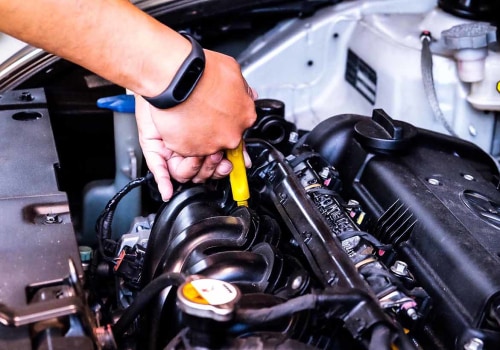
When trying to determine if your vehicle's engine has undergone tuning modifications, a thorough visual inspection can reveal a lot. Here are some key areas to focus on during your inspection:- Engine Cover: Start by examining the engine cover for any signs of tampering or replacement.
Aftermarket covers may indicate modifications.
- Wiring and Connectors: Look for any unusual wiring or connectors that seem out of place. Tuning often involves re-routing or adding wires for performance enhancements.
- Intake System: Check the air intake system for aftermarket components such as high-performance air filters or cold air intakes. These parts are common in tuned engines.
- Exhaust System: Inspect the exhaust system for modifications like aftermarket headers, catalytic converters, or mufflers. These changes can significantly affect engine performance.
- ECU Access: If you notice any signs of tampering with the Engine Control Unit (ECU), such as missing screws or unusual connectors, it may indicate that the engine has been tuned.
- Fuel Injectors: Upgraded fuel injectors are often installed in tuned engines to accommodate increased fuel demands.
- Turbochargers/Superchargers: If your vehicle is equipped with forced induction, check for aftermarket turbochargers or superchargers, which are common in performance tuning.
- Cooling Systems: Enhanced cooling systems, such as larger radiators or intercoolers, can also indicate tuning modifications aimed at improving performance and reliability.
If you find any suspicious modifications, consider consulting a professional mechanic who specializes in performance vehicles for a more detailed assessment.
Using Diagnostic Tools to Detect Engine Tuning
To determine if your vehicle's engine has been tuned in the past, utilizing diagnostic tools can be incredibly effective. One of the most common tools for this purpose is the OBD-II scanner, which connects to your vehicle's onboard diagnostics system. This device can provide valuable insights into the engine's performance and any modifications that may have been made.Understanding OBD-II Scanners
- Functionality: OBD-II scanners read data from the engine control unit (ECU), allowing you to access real-time information about various engine parameters.
- Diagnostic Trouble Codes (DTCs): These codes can indicate if there have been any issues or modifications that could suggest tuning, such as changes in fuel mixture or ignition timing.
- Live Data Monitoring: Many OBD-II scanners offer live data monitoring, which can help you observe how the engine is performing under different conditions.
- Fuel Trim Values: Significant deviations from the normal range can suggest adjustments made to the fuel delivery system.
- Ignition Timing: Altered ignition timing values may point to performance tuning aimed at enhancing power output.
- Boost Pressure (for turbocharged engines): Higher than standard boost levels can indicate a tuning modification for increased performance.
By analyzing the data retrieved from these devices, you can gain insights into your vehicle's performance and any modifications that may have been made over time.
Consulting with Professionals: Mechanics and Tuners
When it comes to determining whether your vehicle's engine has undergone tuning, consulting with professionals such as mechanics and tuners is essential. These experts possess the knowledge and experience to provide valuable insights into your engine's history and performance modifications.Consulting Mechanics
Your first step should be to consult a trusted mechanic. A qualified mechanic can perform a thorough inspection of your engine and its components. During this inspection, they will look for signs of engine tuning, such as:- Aftermarket parts: The presence of upgraded components like performance air filters, exhaust systems, or modified fuel injectors can indicate previous tuning.
- ECU modifications: Mechanics can check if the Engine Control Unit (ECU) has been reprogrammed or replaced, which is a common aspect of tuning.
- Performance metrics: They may also assess the engine's performance data, which can reveal discrepancies from factory specifications.
Finding a Tuner
If you suspect that your engine has been tuned but need more specific information, consider reaching out to a professional tuner.Tuners specialize in modifying engines for enhanced performance and can provide insights based on their expertise. Here are some tips for finding a reputable tuner:
- Research local tuners: Look for tuners in your area with good reviews and a solid reputation in the automotive community.
- Ask for recommendations: Seek advice from fellow car enthusiasts or online forums dedicated to your vehicle make and model.
- Inquire about their services: When contacting a tuner, ask about their experience with your specific engine type and what services they offer related to tuning.
Reviewing Vehicle History Reports
To determine if your vehicle's engine has undergone any tuning services in the past, one of the most effective methods is to review a vehicle history report. These reports compile a wealth of information about a car's past, including any modifications that may have been made.How to Obtain a Vehicle History Report
- Visit reputable online services such as Carfax or AutoCheck.
- Enter your vehicle's VIN (Vehicle Identification Number) to access its history.
- Consider purchasing a report, as it often provides detailed insights into previous ownership, accidents, and modifications.
What to Look For
When reviewing the report, pay close attention to the following sections:
- Title Records: Check for any mentions of salvage or rebuilt titles, which may indicate significant modifications.
- Service Records: Look for entries that mention engine tuning or performance upgrades.
Terms like "ECU remapping" or "performance chip installation" can be indicators of tuning services.
- Accident Reports: Sometimes, vehicles that have been in accidents undergo tuning as part of repairs. This could be noted in the service records.
Checking for Modifications
If the vehicle history report does not provide sufficient information, consider reaching out to previous owners if possible. They may have insights into any engine tuning services performed on the vehicle. Additionally, consulting with a trusted mechanic can help identify physical modifications that may not be documented in the report.In summary, a thorough examination of a vehicle history report can reveal crucial information about past engine tuning and modifications.
By understanding how to interpret these reports, you can make more informed decisions about your vehicle's performance and maintenance needs.
Common Engine Tuning Services and Their Effects
When it comes to engine tuning services, there are several common types that vehicle owners may encounter. Each service can significantly impact the performance and reliability of your engine, making it essential to understand what they entail.- ECU Remapping: This involves reprogramming the engine's electronic control unit (ECU) to optimize performance. By adjusting fuel maps, ignition timing, and other parameters, ECU remapping can enhance horsepower and torque while improving fuel efficiency.
- Performance Chips: Installing a performance chip can modify the engine's settings to increase power output. These chips can be a cost-effective way to achieve noticeable gains without extensive mechanical changes.
- Cold Air Intakes: Upgrading to a cold air intake system allows for better airflow into the engine, which can lead to improved combustion and increased power.
This modification often results in a more aggressive engine sound as well.
- Exhaust System Upgrades: A high-performance exhaust system reduces back pressure and enhances exhaust flow. This not only improves engine efficiency but also contributes to a sportier sound.
- Tuning for Forced Induction: For vehicles equipped with turbochargers or superchargers, specialized tuning is necessary to ensure optimal performance. This includes adjusting boost levels and fuel delivery to prevent engine knock and maintain reliability.
- Increased Wear and Tear: More power often means more stress on engine components, which can lead to premature wear if not managed properly.
- Fuel Economy Changes: While some tuning services can improve fuel efficiency, others may lead to higher fuel consumption due to increased performance demands.
- Warranty Implications: Modifying your engine may void manufacturer warranties, so it’s essential to check with your dealer before proceeding with any tuning services.
By weighing the benefits against potential drawbacks, you can make informed decisions that enhance your vehicle's performance while maintaining its reliability.
Frequently Asked Questions About Engine Tuning
When it comes to engine tuning services, many vehicle owners have questions and misconceptions. Here are some of the most frequently asked questions:- What is engine tuning? Engine tuning refers to the process of modifying the engine's performance characteristics to enhance power, efficiency, or responsiveness. This can involve adjusting fuel maps, ignition timing, and other parameters.
- How can I tell if my engine has been tuned? Signs that your engine may have been tuned include increased horsepower, improved throttle response, or modifications to the exhaust system. Additionally, checking for aftermarket engine control units (ECUs) or tuning chips can provide clues.
- Is engine tuning safe? When performed by professionals using quality parts and software, engine tuning services can be safe.
However, improper tuning can lead to engine damage or reduced reliability.
- Will tuning void my warranty? Tuning your engine may void certain aspects of your vehicle's warranty, especially if it leads to damage. It's essential to check with your manufacturer or dealer before proceeding.
- Are there myths about engine tuning? Yes, one common myth is that all tuning is illegal. While some modifications may not comply with emissions regulations, many tuning services are legal and can enhance performance without violating laws.
Conclusion: Understanding Your Engine's Past for Better Maintenance
In conclusion, understanding whether your vehicle's engine has undergone tuning in the past is crucial for making informed maintenance decisions.Recognizing the signs of previous engine tuning services can help you assess the current state of your engine and anticipate future needs.As discussed, there are several methods to determine if your engine has been tuned:
- Check for Documentation: Service records or receipts can provide clear evidence of any tuning work performed.
- Inspect Engine Components: Modifications such as upgraded air intakes, exhaust systems, or ECU chips can indicate tuning.
- Consult a Professional Mechanic: A qualified mechanic can perform diagnostics to identify any tuning modifications.
- Monitor Performance Metrics: Changes in fuel efficiency or power output may suggest that tuning has occurred.