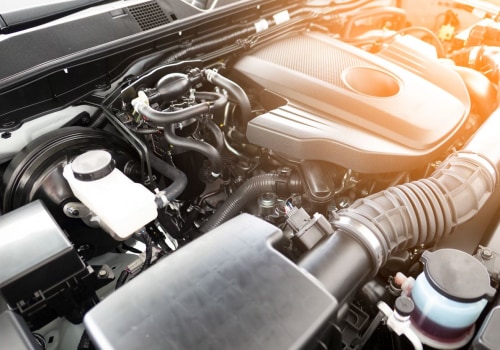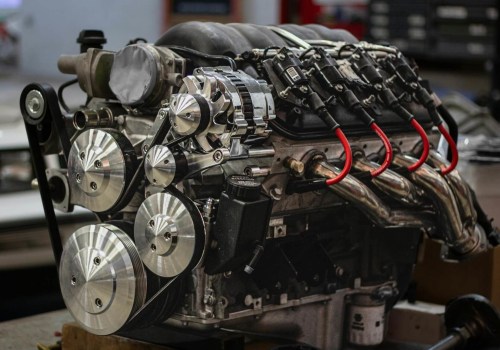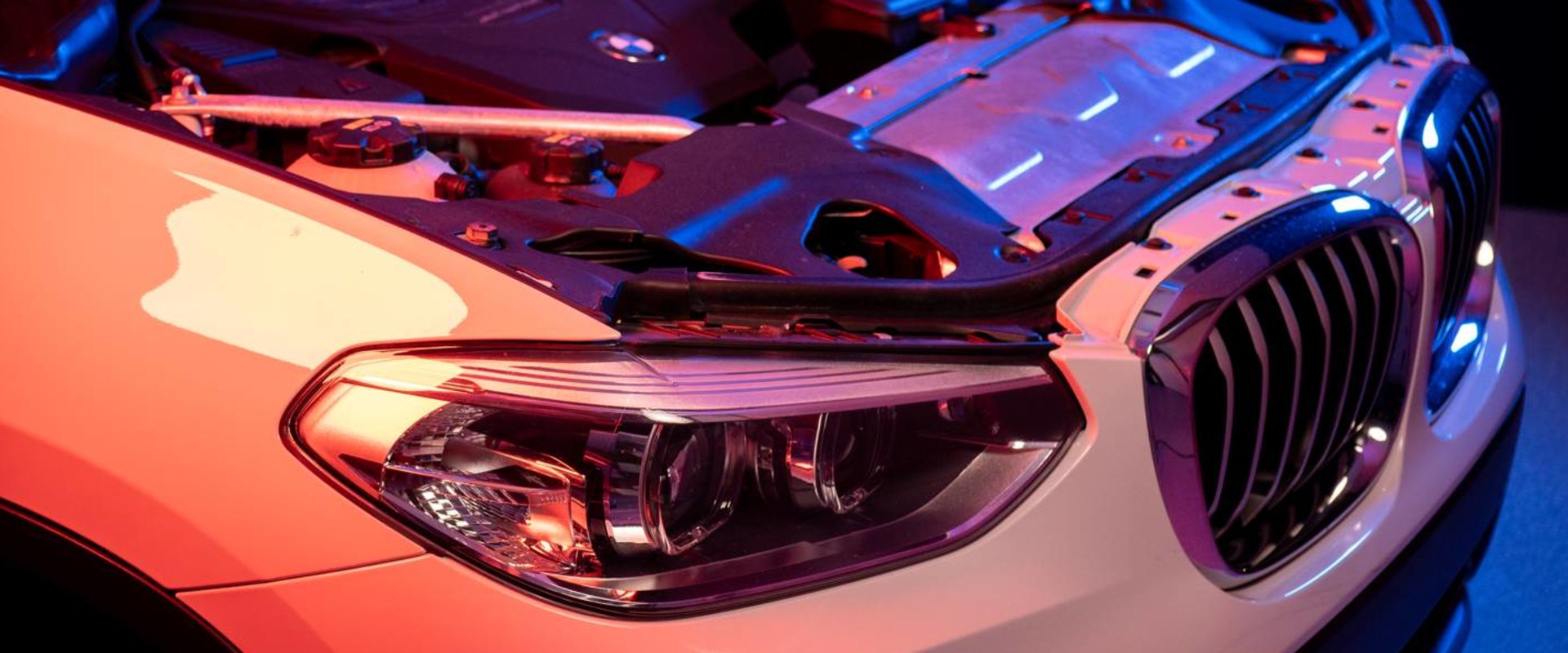
When it comes to maximizing your vehicle's performance, engine tuning services play a crucial role. These services involve adjusting various parameters of your engine to enhance its efficiency, power output, and overall drivability. But what exactly is engine tuning? At its core, it refers to the process of modifying the engine's control unit (ECU) settings, fuel delivery, and ignition timing to achieve optimal performance tailored to your specific driving needs. The importance of engine tuning cannot be overstated. A well-tuned engine not only improves acceleration and responsiveness but also contributes to better fuel economy and reduced emissions.
Whether you drive a high-performance sports car or a daily commuter vehicle, proper tuning can lead to significant improvements in how your car performs on the road. Additionally, regular tuning can help identify potential issues before they escalate into costly repairs, ensuring that your vehicle remains in peak condition. As you consider whether your vehicle has been properly tuned after service, understanding the fundamentals of engine tuning services will help you assess the effectiveness of the work done. This knowledge will empower you to recognize the signs of a well-tuned engine and appreciate the benefits that come with it. In the following sections, we will delve deeper into how to evaluate your vehicle's performance post-tuning and what indicators suggest that the service was successful.
Signs Your Vehicle Has Been Properly Tuned
After receiving engine tuning services, there are several key indicators that can help you determine if your vehicle has been properly tuned.Recognizing these signs is essential for ensuring that you have received quality service and that your vehicle is performing at its best.
- Improved Fuel Efficiency: One of the most noticeable signs of a well-tuned engine is an increase in fuel efficiency. If you find that you are getting more miles per gallon than before, it’s a strong indication that the tuning has optimized your engine's performance.
- Better Acceleration: A properly tuned engine should respond more quickly when you press the accelerator. If your vehicle feels more powerful and accelerates smoothly without hesitation, this is a positive sign of effective tuning.
- Smoother Idling: Pay attention to how your engine idles. A well-tuned engine will idle smoothly without excessive vibrations or fluctuations in RPM.
If your vehicle runs quietly and steadily at a stop, it suggests that the tuning was successful.
- Reduced Emissions: Proper tuning can lead to lower emissions, which is not only better for the environment but also indicates that your engine is running efficiently. If your vehicle passes emissions tests with ease, it’s a good sign of effective tuning.
- No Warning Lights: After tuning, check your dashboard for any warning lights. A properly tuned engine should not trigger any check engine lights or other alerts, indicating that all systems are functioning correctly.
Performance Metrics to Monitor After Tuning
After your vehicle has undergone engine tuning services, it’s essential to monitor specific performance metrics to ensure that the tuning was effective.Here are some key metrics to keep an eye on:
- Horsepower: One of the most critical indicators of engine performance, horsepower measures the engine's ability to do work. After tuning, you should notice an increase in horsepower, which can be verified through a dynamometer test. This test provides a precise measurement of your vehicle's power output.
- Torque: Torque is another vital metric that reflects the engine's rotational force. Enhanced torque can lead to better acceleration and overall driving experience.
Similar to horsepower, torque can also be measured using a dynamometer, allowing you to compare pre- and post-tuning figures.
- Fuel Consumption: A well-tuned engine should ideally improve fuel efficiency. Monitoring your vehicle's miles per gallon (MPG) before and after tuning can help you assess whether the adjustments made during the service have positively impacted fuel consumption. Keep track of your fuel usage over several tankfuls for a more accurate assessment.
- Engine Temperature: Post-tuning, it's crucial to monitor the engine temperature. An efficient tune should help maintain optimal operating temperatures.
If you notice significant fluctuations or overheating, it may indicate that further adjustments are needed.
Using Diagnostic Tools to Assess Engine Tuning
To determine if your vehicle has been properly tuned after engine tuning services, utilizing diagnostic tools is essential. These tools provide valuable insights into your engine's performance and can help identify any issues that may have arisen during or after the tuning process.OBD-II Scanner
One of the most common diagnostic tools is the OBD-II scanner. This device connects to your vehicle's onboard diagnostics port and retrieves data from the engine control unit (ECU).By analyzing the trouble codes and live data, you can assess whether the tuning adjustments have positively impacted your vehicle's performance. Look for:
- Fuel Trim Levels: These indicate how well the engine is adjusting fuel delivery. A properly tuned engine should have fuel trims within a normal range.
- Ignition Timing: Check if the ignition timing is optimized for performance. Incorrect timing can lead to reduced power and efficiency.
- Engine RPM: Monitor the RPM levels during idle and acceleration.
A well-tuned engine should exhibit smooth and stable RPMs.
Engine Performance Analysis
In addition to using an OBD-II scanner, conducting a thorough engine performance analysis can provide further confirmation of a successful tune. This analysis may include:- Dyno Testing: A dynamometer measures the power output of your engine. Comparing pre- and post-tuning dyno results can reveal significant improvements in horsepower and torque.
- Fuel Economy Tests: Monitor your vehicle's fuel consumption over a set distance. A properly tuned engine should demonstrate improved fuel efficiency.
- Exhaust Emissions Testing: Ensure that your vehicle meets emissions standards.
A well-tuned engine typically produces fewer harmful emissions.
Common Issues Indicating Poor Tuning
After receiving engine tuning services, it’s crucial to monitor your vehicle for any signs that indicate poor tuning. Recognizing these issues early can save you from more significant problems down the road. Here are some common symptoms to watch for:- Rough Idling: If your engine is idling unevenly or feels like it’s vibrating excessively, this could be a sign of improper tuning.
A well-tuned engine should idle smoothly without any noticeable shaking.
- Decreased Fuel Efficiency: One of the primary benefits of proper engine tuning is improved fuel economy. If you notice that your vehicle is consuming more fuel than usual, it may indicate that the tuning was not performed correctly.
- Loss of Power: A tuned engine should provide optimal power and acceleration. If you experience sluggishness or a lack of responsiveness when pressing the accelerator, it might be time to revisit your tuning service.
- Check Engine Light: An illuminated check engine light can signal various issues, including those related to engine tuning. If this light appears after a service, it’s essential to have the vehicle diagnosed promptly.
- Unusual Noises: Listen for any strange sounds coming from the engine, such as knocking or pinging.
These noises can indicate that the engine is not running as it should, possibly due to poor tuning.
FAQs About Engine Tuning Services
When it comes to engine tuning services, many vehicle owners have questions and concerns. Here are some frequently asked questions that can help clarify the process and dispel common myths.What is engine tuning?
Engine tuning refers to the process of adjusting the engine's performance parameters to enhance efficiency, power, and overall drivability. This can involve modifying the engine control unit (ECU), optimizing fuel-air mixtures, and improving ignition timing.How can I tell if my vehicle has been properly tuned?
- Improved Performance: You should notice a significant increase in acceleration and responsiveness.
- Better Fuel Efficiency: A well-tuned engine often results in better gas mileage.
- No Warning Lights: After tuning, your dashboard should be free of check engine lights or other warning indicators.
- Smooth Operation: The engine should run smoothly without any unusual noises or vibrations.
Are there any common concerns with tuning services?
Many vehicle owners worry about potential damage from improper tuning.However, when performed by a qualified technician, engine tuning services are safe and beneficial. It's crucial to choose a reputable service provider who uses quality parts and follows manufacturer guidelines.
What are some myths about engine tuning?
- Tuning is only for performance cars: This is false; any vehicle can benefit from tuning to improve efficiency.
- Tuning voids warranties: While some modifications may affect warranties, many standard tuning services do not.
- Tuning is a one-time service: Regular maintenance and updates may be necessary as technology and driving conditions change.
Conclusion: Ensuring Your Vehicle's Optimal Performance Post-Tuning
In conclusion, understanding how to assess whether your vehicle has been properly tuned after engine tuning services is crucial for maintaining optimal performance. Recognizing the signs of effective tuning can save you time and money while ensuring your vehicle runs smoothly. First and foremost, pay attention to your vehicle's performance metrics. A well-tuned engine should exhibit improved acceleration, smoother idling, and enhanced fuel efficiency.If you notice any persistent issues such as rough idling or decreased power, it may indicate that the tuning was not performed correctly. Utilizing diagnostic tools can also provide valuable insights into your engine's health. Tools like OBD-II scanners can help you monitor engine codes and performance data, allowing you to identify any discrepancies that may arise post-tuning. Regularly checking these metrics can help you catch potential problems early. Additionally, consider scheduling a follow-up inspection with your mechanic after the tuning service. This can help ensure that all adjustments were made correctly and that your vehicle is operating at its best.
A professional can also provide further recommendations based on their findings. Ultimately, staying informed about your vehicle's performance and being proactive in monitoring its condition will lead to a more enjoyable driving experience. By recognizing the signs of proper tuning and utilizing diagnostic tools effectively, you can ensure that your vehicle remains in peak condition for years to come.