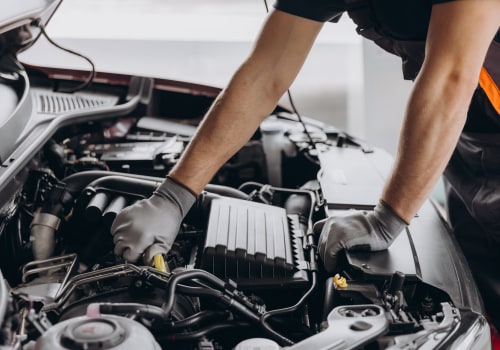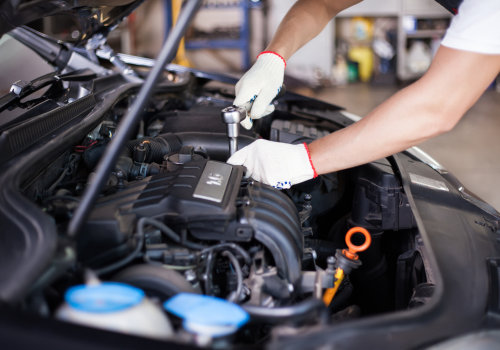
Engine tuning services have gained significant traction among automotive enthusiasts, offering a pathway to enhance vehicle performance, efficiency, and overall driving experience. These services involve modifying the engine's software and hardware to optimize its output, often resulting in increased horsepower, improved fuel economy, and a more responsive throttle. As car culture continues to evolve, the demand for these modifications has surged, leading to a vibrant market filled with specialized shops and skilled technicians.However, with the rise in popularity of engine tuning services, there comes a critical need to understand the legal restrictions that may apply. Vehicle modifications can sometimes conflict with state and federal regulations designed to ensure safety and environmental compliance.
For instance, certain tuning practices may lead to emissions violations or compromise the vehicle's safety features, which can result in hefty fines or even the inability to register the vehicle.As enthusiasts explore the world of vehicle modifications, it is essential to navigate these legal waters carefully. Understanding what is permissible can not only protect your investment but also ensure that your passion for performance does not inadvertently lead to legal troubles. In the following sections, we will delve deeper into the specific legal implications surrounding engine tuning services, helping you make informed decisions while enjoying your automotive journey.
What Are Engine Tuning Services?
Engine tuning services refer to a range of modifications and adjustments made to a vehicle's engine to enhance its performance, efficiency, and overall driving experience. These services can vary significantly in scope and complexity, catering to different needs and preferences of car enthusiasts and everyday drivers alike.Types of Engine Tuning Services
- ECU Remapping: This involves reprogramming the engine control unit (ECU) to optimize fuel delivery, ignition timing, and other parameters.
By adjusting these settings, drivers can achieve better horsepower and torque.
- Performance Chips: These are aftermarket devices that can be installed to modify the engine's performance characteristics. They often enhance throttle response and increase power output without extensive mechanical changes.
- Exhaust Modifications: Upgrading the exhaust system can improve airflow, reduce back pressure, and enhance engine sound. This type of tuning not only boosts performance but also contributes to a more aggressive auditory experience.
- Intake Modifications: Enhancing the air intake system allows for better airflow into the engine, which can lead to improved combustion efficiency and power gains.
Benefits of Engine Tuning
The advantages of engine tuning services extend beyond mere performance enhancements. Here are some key benefits:- Increased Power and Torque: One of the primary reasons for tuning is to achieve higher power outputs, making vehicles more responsive and enjoyable to drive.
- Improved Fuel Efficiency: Proper tuning can lead to better fuel economy by optimizing the air-fuel mixture, which is particularly beneficial for daily drivers looking to save on gas.
- Enhanced Driving Experience: Tuning can provide a more engaging driving experience through improved throttle response and acceleration.
- Customization: Engine tuning allows vehicle owners to tailor their cars to their specific preferences, whether for racing, off-roading, or everyday use.
Understanding these services is crucial when considering any legal restrictions that may apply in your area.
Legal Framework Surrounding Engine Tuning
The legal landscape surrounding engine tuning services in the United States is complex and varies significantly from state to state. Understanding the engine tuning laws is crucial for both service providers and vehicle owners to ensure compliance and avoid potential legal issues.At the federal level, the Environmental Protection Agency (EPA) regulates vehicle emissions under the Clean Air Act. Any modifications that affect a vehicle's emissions system can lead to violations of federal law. For instance, removing or altering catalytic converters or other emissions-related components can result in hefty fines and penalties.Therefore, it is essential for engine tuning services to ensure that their modifications do not compromise a vehicle's compliance with these regulations.In addition to federal regulations, many states have their own specific laws regarding vehicle modifications. Some states may have stricter emissions standards than others, while others may impose restrictions on performance modifications. For example:
- California: Known for its stringent emissions laws, California requires that any aftermarket modifications comply with the California Air Resources Board (CARB) regulations.
- New York: New York has laws that prohibit modifications that would increase emissions beyond factory specifications.
- Texas: While Texas has more lenient regulations, it still requires that vehicles pass emissions tests if they are registered in certain areas.
It is advisable for consumers to check their warranty agreements before proceeding with any tuning services.In summary, while engine tuning services can enhance vehicle performance, they must be approached with caution. Both service providers and consumers should stay informed about applicable federal and state regulations to avoid legal repercussions and ensure that their vehicles remain compliant with the law.
State-Specific Regulations on Engine Tuning
When it comes to engine tuning services, understanding the legal landscape is crucial, as regulations can vary significantly from state to state. This section delves into how local laws can affect tuning practices, with a focus on California and New York.California Emissions Laws
California is known for its stringent emissions regulations, which are enforced by the California Air Resources Board (CARB). Under these laws, any modifications made to a vehicle's engine must comply with state emissions standards.This means that engine tuning services in California must ensure that any performance enhancements do not violate emissions regulations. For instance, installing aftermarket parts that are not CARB-certified can lead to hefty fines and the inability to pass smog checks.
New York Vehicle Modification Regulations
In New York, vehicle modification laws are also quite strict. The state requires that any modifications, including those related to engine tuning, must not compromise the vehicle's safety or emissions compliance. New York's Department of Motor Vehicles (DMV) has specific guidelines regarding modifications that can affect a vehicle's registration and insurance.For example, if an engine tune results in increased emissions or alters the vehicle's original design significantly, it may be deemed illegal.
- Compliance with Emissions Standards: Both states require that any tuning service adheres to local emissions laws.
- Certification Requirements: In California, aftermarket parts must often be CARB-certified.
- Impact on Vehicle Registration: Modifications in New York can affect a vehicle's registration status.
Impact of Emissions Standards on Engine Tuning Services
The landscape of engine tuning services is significantly influenced by emissions standards established by the Environmental Protection Agency (EPA) and other regulatory bodies. These standards are designed to limit the amount of harmful pollutants that vehicles can emit, thereby protecting air quality and public health.When it comes to engine tuning, compliance with these emissions regulations is crucial for both service providers and vehicle owners. Tuning a vehicle's engine can enhance performance, but it can also lead to increased emissions if not done correctly.Therefore, understanding the implications of these regulations is essential.
Understanding EPA Regulations
The EPA has set forth specific guidelines that dictate how much pollution a vehicle can produce. These regulations apply to all vehicles, including those that have undergone engine tuning. If a tuning service modifies an engine in a way that increases emissions beyond the legal limits, both the service provider and the vehicle owner could face penalties.- Compliance Risks: Non-compliance with EPA regulations can result in fines and legal action against tuning shops.
- Vehicle Inspections: Many states require emissions testing as part of vehicle inspections, which means that improperly tuned engines may fail these tests.
- Resale Value: Vehicles that do not meet emissions standards may have a reduced resale value or be difficult to sell.
Environmental Impact of Tuning
The environmental impact of engine tuning services cannot be overlooked. While some modifications can improve fuel efficiency and reduce emissions, others may have the opposite effect.It is vital for tuners to use software and hardware that comply with emissions standards to ensure that their modifications do not contribute to air pollution.In conclusion, while engine tuning services can offer significant performance benefits, they must be approached with a clear understanding of emissions standards. Compliance not only protects the environment but also safeguards the interests of service providers and vehicle owners alike.
Insurance Implications of Engine Tuning Services
When considering engine tuning services, it's crucial to understand the implications these modifications can have on your car insurance policy. Many drivers are unaware that tuning their vehicle can significantly alter their insurance coverage and premiums.How Tuning Affects Car Insurance
- Increased Risk Assessment: Insurance companies often view tuned vehicles as higher risk due to their enhanced performance capabilities. This can lead to increased premiums.
- Modification Disclosure: Failing to inform your insurer about engine modifications can result in denied claims.
If an accident occurs, the insurer may refuse to cover damages if they discover the vehicle was tuned without their knowledge.
- Policy Adjustments: Some insurers may require you to adjust your policy or switch to a specialized plan that covers modified vehicles, which could be more expensive.
Liability Issues with Tuned Vehicles
Tuning can also introduce liability concerns. If a tuned vehicle is involved in an accident, the modifications may be scrutinized during the claims process. Insurers might argue that the tuning contributed to the accident, potentially leading to legal complications.To mitigate these risks, it’s essential to:
- Inform Your Insurer: Always disclose any modifications made to your vehicle, including engine tuning.
- Review Your Policy: Check if your current policy covers modified vehicles and understand any limitations or exclusions.
- Consult with Experts: Speak with insurance agents who specialize in modified vehicles for tailored advice.
Common Misconceptions About Engine Tuning Legality
When it comes to engine tuning services, there are numerous misconceptions regarding their legality.Many car enthusiasts and potential customers often find themselves confused by the conflicting information available. Here, we will debunk some of the most common myths surrounding the legality of these modifications.
- Myth 1: All engine tuning is illegal. This is perhaps the most pervasive myth. In reality, engine tuning services can be perfectly legal, provided they comply with local emissions regulations and safety standards. Many tuning shops offer services that enhance performance without violating any laws.
- Myth 2: Tuning voids your warranty. While some manufacturers may claim that modifications void warranties, this is not universally true.
The Magnuson-Moss Warranty Act protects consumers, meaning that unless a manufacturer can prove that a modification caused the issue, they cannot deny warranty coverage.
- Myth 3: All modifications are illegal on public roads. While certain modifications may be restricted, many tuning services are legal for street use. It’s essential to check local laws and regulations to ensure compliance.
- Myth 4: Engine tuning always leads to emissions violations. Not all tuning services negatively impact emissions. Many reputable tuners focus on optimizing performance while adhering to environmental standards, offering solutions that enhance efficiency without breaching regulations.
By doing so, you can enjoy the benefits of engine tuning services while remaining within legal boundaries.
Frequently Asked Questions About Engine Tuning Services and Legalities
When considering engine tuning services, many potential customers have questions regarding the legal implications of modifying their vehicles. Here are some frequently asked questions that can help clarify these concerns:- Is engine tuning legal?Yes, engine tuning is generally legal in the United States; however, it must comply with local emissions regulations and safety standards. Each state may have different laws regarding vehicle modifications, so it's essential to check local regulations.
- Will tuning my engine void my warranty?Modifying your engine can potentially void your vehicle's warranty, especially if the modification is deemed to be the cause of a failure. It's advisable to consult your dealership or review your warranty terms before proceeding with any tuning services.
- Are there emissions regulations I need to consider?Yes, many states have strict emissions laws that require vehicles to meet specific standards.
Tuning services that increase emissions or remove emissions control devices can lead to legal issues and fines.
- Can I get pulled over for having a tuned engine?While having a tuned engine is not illegal in itself, if your vehicle is excessively loud or emits visible smoke, you may attract law enforcement attention. Always ensure that your modifications comply with noise and emissions regulations.
- What should I look for in a tuning service?Choose a reputable tuning service that understands local laws and regulations. Look for certifications and customer reviews to ensure they provide safe and legal modifications.
Conclusion: Navigating Legal Restrictions in Engine Tuning Services
In conclusion, understanding the legal restrictions surrounding engine tuning services is crucial for both service providers and consumers.As we have explored, these regulations can vary significantly by state and locality, impacting everything from emissions compliance to safety standards.
Key Takeaways:
- Emissions Regulations: Many states enforce strict emissions laws that can affect the legality of certain tuning modifications. It is essential for tuners to stay informed about local laws to avoid penalties.
- Warranty Considerations: Modifying a vehicle's engine can void manufacturer warranties. Consumers should be aware of this risk before proceeding with any tuning services.
- Insurance Implications: Some insurance policies may not cover vehicles that have been modified. It is advisable for consumers to consult with their insurance providers prior to making any changes.
- Safety Standards: Tuning services must also adhere to safety regulations.
Modifications that compromise vehicle safety can lead to legal repercussions.