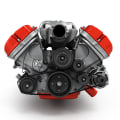
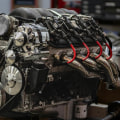
Engine tuning is the process of adjusting and optimizing a vehicle’s engine systems to improve performance, efficiency, responsiveness, and overall drivability. Depending on the vehicle, tuning may involve changes to fuel delivery, ignition timing, air intake, boost pressure, throttle response, or electronic control unit settings. Modern engines are highly dependent on computerized management systems, which means small adjustments can sometimes make a noticeable difference in how a vehicle performs. However, proper tuning should always be approached carefully because an aggressive setup can place unnecessary stress on engine components. The goal is not simply to produce more power, but to create a balanced setup that suits the vehicle, driving conditions, and owner’s expectations.
Improving Power and Performance
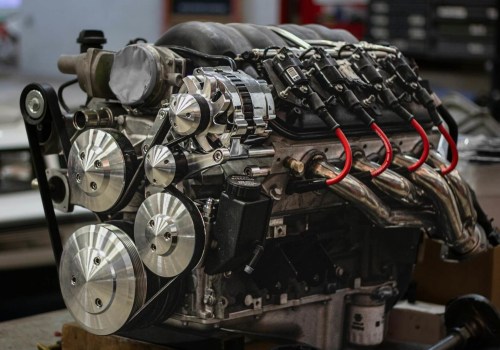
One of the main reasons drivers consider engine tuning is to improve power output. Factory settings are designed to work across a wide range of environments, fuel qualities, and driving styles, so manufacturers often leave some performance potential unused. A professional tuning service may adjust ignition timing, air-fuel ratios, turbocharger boost levels, or throttle mapping to make better use of the engine’s capabilities. These changes can improve acceleration and responsiveness, particularly in turbocharged or performance-oriented vehicles. Before tuning, however, the engine should be in good mechanical condition. Regular maintenance, including services such as oil and lube service in Woodbridge, can help support engine reliability by ensuring critical components receive proper lubrication before additional performance demands are introduced.
Supporting Better Fuel Efficiency
Engine tuning is not always focused exclusively on horsepower. In some situations, adjustments can also improve fuel efficiency by helping the engine operate more effectively during normal driving conditions. Fuel delivery can be optimized so the engine receives the appropriate amount of fuel for different loads and speeds. Throttle mapping may also be adjusted to provide smoother power delivery, which can encourage more controlled acceleration. The actual improvement in fuel economy depends on the vehicle, driving habits, and type of tuning performed. Drivers who constantly use the additional performance available after tuning may not see significant fuel savings, while those who drive consistently may experience improved efficiency.
Enhancing Everyday Drivability
Good engine tuning can make a vehicle feel more enjoyable even without dramatically increasing maximum horsepower. Drivers may notice smoother acceleration, quicker throttle response, reduced hesitation, and improved power delivery at lower engine speeds. Automatic transmission behavior can sometimes be optimized alongside engine settings, creating smoother gear changes and better responsiveness. These improvements can be particularly useful for vehicles that feel sluggish during overtaking, merging, or climbing hills. Tuning can also be customized according to how the vehicle is normally used, whether it serves as a daily commuter, towing vehicle, performance car, or weekend project.
Professional Testing and Calibration
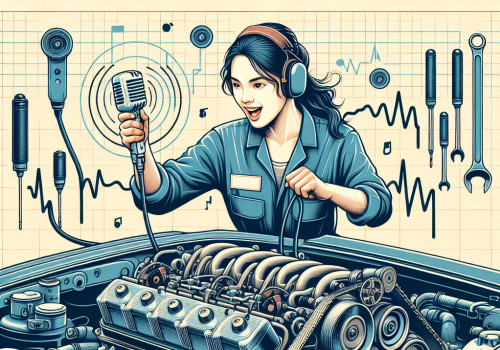
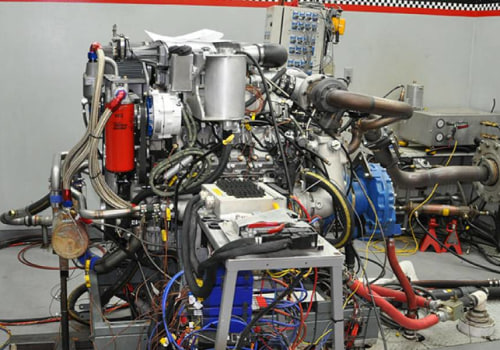
Professional engine tuning should involve more than simply installing a generic software file. Technicians may perform diagnostic scans, inspect engine condition, review sensor readings, and use specialized equipment to measure performance. Dynamometer testing can provide detailed information about horsepower, torque, air-fuel ratios, and engine behavior under load. This allows adjustments to be made gradually while monitoring how the vehicle responds.
Balancing Performance and Reliability
The best engine tuning approach balances improved performance with long-term reliability. Excessive boost, aggressive ignition timing, or poorly calibrated fuel delivery can increase heat and mechanical stress. A carefully planned tune considers the condition of the engine, supporting components, fuel quality, and intended driving style. When completed responsibly, engine tuning can improve power, efficiency, and drivability while preserving the dependable operation drivers expect from their vehicles.