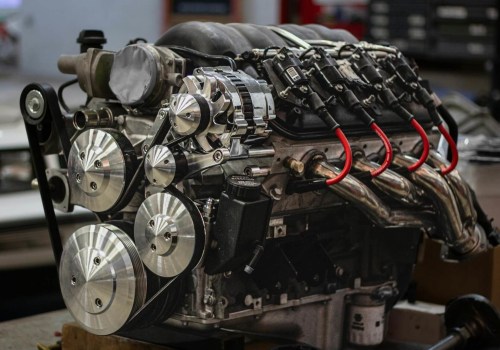
Engine tuning services are essential for optimizing your vehicle's performance, efficiency, and overall driving experience.
Engine tuning
involves adjusting various parameters of the engine management system to enhance power output, fuel efficiency, and responsiveness. This process can include modifications to the air-fuel mixture, ignition timing, and even the installation of performance parts. Understanding what engine tuning entails is crucial for any vehicle owner looking to improve their car's capabilities. The benefits of engine tuning services extend beyond mere performance enhancements.A well-tuned engine can lead to better fuel economy, reduced emissions, and a smoother driving experience. Additionally, tuning can help identify underlying issues that may not be immediately apparent, allowing for preventative maintenance that can save you money in the long run. Whether you're a casual driver or a motorsport enthusiast, investing in professional engine tuning can significantly elevate your vehicle's performance. However, not all mechanics are equally qualified to perform these specialized services. As you consider engine tuning for your vehicle, it's important to be aware of the warning signs that may indicate a mechanic lacks the necessary expertise.
Recognizing these red flags can help you avoid costly mistakes and ensure that your engine receives the care it deserves.
Lack of Certifications and Qualifications
When it comes to engine tuning services, the qualifications and certifications of a mechanic play a crucial role in ensuring that your vehicle receives the best possible care. A lack of proper credentials can be a significant warning sign that a mechanic may not be qualified to perform these specialized services.Understanding Mechanic Certifications
- ASE Certification: The National Institute for Automotive Service Excellence (ASE) offers certifications that demonstrate a mechanic's knowledge and skills in various automotive specialties, including engine performance. Look for mechanics who have ASE certification in engine performance or related areas.
- Manufacturer-Specific Training: Many vehicle manufacturers provide specialized training programs for mechanics. If your mechanic has completed training from the manufacturer of your vehicle, it indicates a higher level of expertise in handling specific engine tuning requirements.
- Advanced Engine Performance Specialist (A8): This is an ASE certification specifically focused on advanced engine performance.
A mechanic with this certification has proven their ability to diagnose and tune engines effectively.
Why Certifications Matter
Certifications are not just pieces of paper; they represent a commitment to ongoing education and adherence to industry standards. A qualified mechanic will stay updated on the latest technologies and techniques in engine tuning, ensuring that they can provide the best service possible. Without these credentials, you risk entrusting your vehicle to someone who may not have the necessary skills or knowledge.In addition to certifications, consider asking about a mechanic's experience with engine tuning services. A well-qualified mechanic should be able to provide references or examples of previous work, demonstrating their capability in this specialized area.
Always prioritize mechanics who can back up their claims with verifiable credentials and experience.
Poor Customer Reviews and Reputation
When considering engine tuning services, one of the most telling indicators of a mechanic's qualifications is their reputation, which can often be gauged through customer reviews and feedback. In today’s digital age, potential customers have access to a wealth of information at their fingertips, making it easier than ever to assess a mechanic's reliability.Online Ratings:
Websites like Yelp, Google Reviews, and specialized automotive forums provide platforms for customers to share their experiences. A mechanic with consistently low ratings or numerous negative reviews may indicate a lack of expertise in engine tuning. Pay attention to the overall star rating as well as the number of reviews; a high rating based on only a few reviews may not be as reliable as a slightly lower rating with many testimonials.
Customer Feedback:
Look for specific comments regarding the quality of the engine tuning services.
Customers often detail their experiences, mentioning whether the tuning improved performance or if they encountered issues shortly after service. Positive feedback that highlights successful outcomes can be a good sign of a mechanic's skill.
- Consistency: Check if multiple reviews mention similar issues or praises. Consistent feedback can reveal patterns in service quality.
- Response to Complaints: A mechanic who actively responds to negative reviews demonstrates accountability and a willingness to improve. This can indicate professionalism and commitment to customer satisfaction.
- Expertise in Engine Tuning: Look for reviews that specifically mention engine tuning.
Mechanics who specialize in this area should have a track record of satisfied customers who have experienced tangible improvements.
Inadequate Diagnostic Equipment and Tools
When it comes to engine tuning services, the tools and diagnostic equipment used by a mechanic play a crucial role in determining the quality of the service provided. A mechanic who lacks access to modern, high-quality tools may not be adequately equipped to perform precise adjustments and optimizations on your engine.Importance of Diagnostic Equipment
- Advanced Scanners: A qualified mechanic should utilize advanced diagnostic scanners that can read and interpret error codes from your vehicle's computer system. Outdated or generic scanners may miss critical issues that could affect engine performance.
- Calibration Tools: Proper calibration tools are essential for fine-tuning engine parameters.
If a mechanic relies on manual methods or outdated equipment, it can lead to suboptimal tuning results.
- Performance Monitors: Tools that monitor real-time performance metrics, such as air-fuel ratios and ignition timing, are vital for effective tuning. A lack of these tools may indicate a mechanic's inability to provide comprehensive tuning services.
Signs of Inadequate Tools
- If you notice a mechanic using old or worn-out equipment, it may suggest they are not keeping up with industry standards.
- A lack of specialized tools for specific engine types or tuning techniques can be a red flag. Each engine may require unique tools for optimal tuning.
- If the mechanic cannot explain the purpose of their tools or how they will be used in the tuning process, this could indicate a lack of expertise.
Quality tuning requires precision, and that starts with having the right equipment at hand.
Vague or Unclear Service Offerings
When seeking engine tuning services, one of the most significant warning signs that a mechanic may not be qualified is the presence of vague or unclear service offerings. A reputable mechanic should provide detailed descriptions of their services, outlining what each process entails and how it benefits your vehicle's performance.Why Transparency Matters
- Understanding the Process: Clear communication about engine tuning services helps you understand what modifications will be made to your vehicle. This includes specifics on adjustments to fuel maps, ignition timing, and other critical parameters.
- Setting Expectations: When a mechanic provides vague descriptions, it can lead to misunderstandings about what to expect from the service. This lack of clarity can result in dissatisfaction with the final outcome.
- Building Trust: Transparency fosters trust between you and the mechanic.
If they are unwilling or unable to explain their services clearly, it raises questions about their expertise and reliability.
What to Look For
When evaluating a mechanic's service offerings, consider asking the following questions:
- Can you provide a detailed breakdown of the engine tuning services you offer?
- What specific changes will be made to my engine?
- How will these changes improve my vehicle's performance?
- Are there any warranties or guarantees associated with your services?
High Pressure Sales Tactics
When seeking engine tuning services, one of the red flags to watch for is the use of high-pressure sales tactics by mechanics. These tactics can often indicate a lack of trustworthiness and may suggest that the mechanic is more interested in making a sale than providing quality service.Common High-Pressure Sales Tactics:
- Urgency Creation: Mechanics may insist that you need immediate repairs or upgrades, claiming that your vehicle is in imminent danger. This tactic is designed to rush you into making a decision without fully understanding the situation.
- Exaggerated Claims: Some mechanics might exaggerate the benefits of certain services or parts, suggesting that without them, your vehicle will suffer severe performance issues.
Be wary of claims that seem too good to be true.
- Limited Time Offers: Promotions that pressure you to act quickly can be a sign of untrustworthy practices. A reputable mechanic will provide transparent pricing and allow you time to consider your options.
- Bundling Services: If a mechanic insists on bundling multiple services together at a discounted rate, it may be an attempt to upsell unnecessary work. Always ask for a breakdown of what each service entails.
Why These Tactics Are Concerning:
The use of high-pressure sales tactics can undermine your confidence in a mechanic's integrity. When mechanics prioritize sales over customer education, it raises questions about their qualifications and commitment to quality service.
A trustworthy mechanic should be willing to explain the necessity of services and allow you to make informed decisions without feeling rushed.If you encounter these tactics, consider seeking a second opinion or finding a mechanic who values transparency and customer trust. Remember, reliable engine tuning services should come with clear communication and no pressure to make hasty decisions.
Unwillingness to Provide References or Examples of Past Work
When seeking engine tuning services, one of the most telling signs of a mechanic's qualifications is their willingness to provide references or examples of past work. A reputable mechanic should be open to sharing testimonials from previous clients or showcasing their successful projects. This transparency not only builds trust but also demonstrates their confidence in their skills and expertise.Here are some reasons why a qualified mechanic should readily offer references:- Proven Track Record: Mechanics who can provide references have likely built a solid reputation in the community.
Positive feedback from past customers can give you insight into their reliability and quality of work.
- Specialization in Engine Tuning: If a mechanic has experience specifically in engine tuning services, they should be able to present examples of similar projects they have completed. This specialization is crucial for ensuring that your vehicle receives the best possible care.
- Customer Satisfaction: Testimonials often highlight customer satisfaction, which is a key indicator of a mechanic's ability to meet or exceed expectations. Look for reviews that mention the effectiveness of the tuning and any improvements in vehicle performance.
In contrast, mechanics who are proud of their work will often have a portfolio or a list of satisfied customers ready to share.In conclusion, when evaluating potential mechanics for engine tuning services, always ask for references or examples of past work. This simple step can help you avoid unqualified individuals and ensure that your vehicle is in capable hands.
Conclusion: Making an Informed Decision on Engine Tuning Services
In conclusion, recognizing the warning signs that a mechanic may not be qualified to perform engine tuning services is crucial for ensuring the longevity and performance of your vehicle. Throughout this article, we have highlighted several key indicators that can help you make an informed decision. Firstly, a lack of certifications or formal training can be a significant red flag. Qualified mechanics should possess relevant certifications that demonstrate their expertise in engine tuning and related services.If a mechanic cannot provide proof of their qualifications, it may be wise to seek assistance elsewhere. Secondly, poor customer reviews and feedback can indicate a mechanic's inability to deliver quality service. Always take the time to research online reviews and testimonials from previous customers. A pattern of negative feedback regarding engine tuning services should raise concerns about the mechanic's capabilities. Additionally, if a mechanic is unwilling to explain their tuning process or provide detailed information about the services they offer, this could signal a lack of transparency and professionalism. A qualified mechanic should be eager to discuss their methods and answer any questions you may have. Lastly, consider the tools and equipment used by the mechanic.
Advanced engine tuning requires specialized tools and technology. If a mechanic relies on outdated equipment or lacks the necessary diagnostic tools, it may compromise the quality of their work. By being vigilant about these warning signs, you can protect your investment and ensure that your vehicle receives the best possible care. Choosing a qualified mechanic for engine tuning services not only enhances your vehicle's performance but also contributes to its overall reliability and safety on the road.