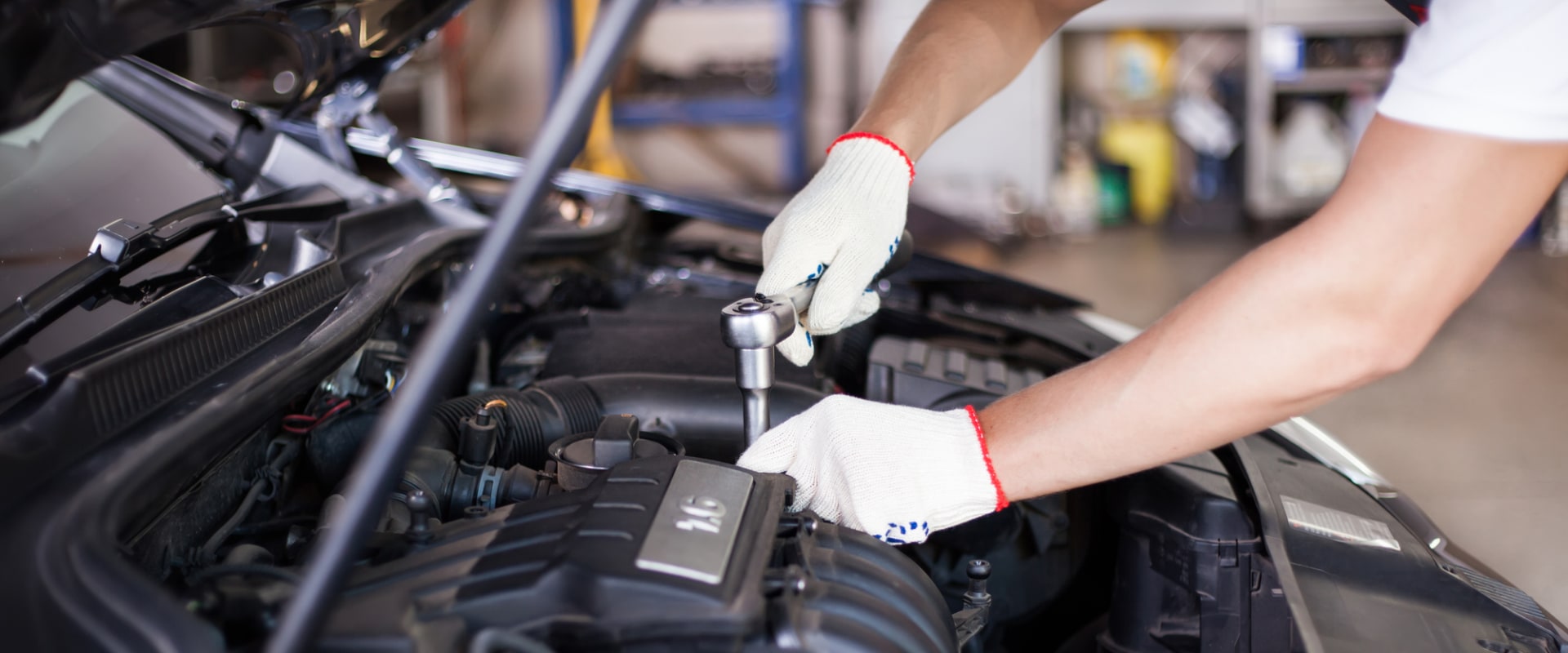
Engine tuning is a crucial process that involves adjusting and optimizing the performance of an engine to ensure it operates at its best. This can include modifications to the engine's fuel injection system, ignition timing, and air intake, among other components. The primary goal of engine tuning services is to enhance the vehicle's overall performance, improve fuel efficiency, and reduce emissions. By fine-tuning these elements, drivers can experience a smoother ride, increased horsepower, and better throttle response. The benefits of engine tuning extend beyond mere performance enhancements.
Regular tuning can lead to significant cost savings over time by improving fuel economy and reducing wear on engine components. Additionally, a well-tuned engine is less likely to encounter mechanical issues, which can save drivers from costly repairs down the line. Furthermore, tuning can also help in meeting environmental regulations by ensuring that the vehicle runs cleanly and efficiently. Understanding what engine tuning entails is essential for any vehicle owner who wants to maintain their car's health and performance. As we delve deeper into this topic, we will explore how often engine tuning should be performed and why it is vital for both performance enthusiasts and everyday drivers alike.
The Importance of Regular Engine Tuning
Regular engine tuning services are essential for maintaining the overall health and performance of your vehicle.By ensuring that your engine is finely tuned, you can experience a multitude of benefits that contribute to a smoother and more efficient driving experience.
Improved Performance
One of the primary advantages of regular engine tuning is the noticeable improvement in your vehicle's performance. A well-tuned engine operates more efficiently, allowing for quicker acceleration and a more responsive throttle. This means that whether you're merging onto a highway or navigating city streets, your car will perform at its best.
Enhanced Fuel Efficiency
Another significant benefit of regular tuning is enhanced fuel efficiency. An engine that is not properly tuned can consume more fuel than necessary, leading to increased costs at the pump.
By investing in engine tuning services, you can optimize your engine's air-fuel mixture and ignition timing, which can lead to better mileage and lower fuel expenses over time.
Longevity of the Vehicle
Regular engine tuning also plays a crucial role in extending the lifespan of your vehicle. By addressing minor issues before they escalate into major problems, you can prevent costly repairs down the line. A well-maintained engine is less likely to suffer from wear and tear, ensuring that your vehicle remains reliable for years to come.
Why Tune Your Engine?
- Preventative Maintenance: Regular tuning acts as a form of preventative maintenance, helping to identify potential issues early.
- Better Emissions: A tuned engine produces fewer emissions, contributing to a cleaner environment.
- Smoother Operation: Enjoy a quieter and smoother ride with reduced vibrations and noise.
Make it a priority to schedule regular tune-ups to keep your vehicle running at its best.
How Often Should Engine Tuning Be Done?
Determining how often engine tuning services should be performed depends on several factors, including the type of vehicle, its usage, and the manufacturer's recommendations. Generally, a good rule of thumb is to consider tuning every 15,000 to 30,000 miles, but this can vary significantly.Factors Influencing Engine Tuning Frequency
- Vehicle Type: Sports cars and high-performance vehicles may require more frequent tuning compared to standard sedans or SUVs due to their advanced technology and higher performance demands.
- Driving Conditions: If you frequently drive in harsh conditions—such as extreme temperatures, heavy traffic, or off-road environments—your engine may need tuning more often.
- Fuel Quality: Using low-quality fuel can lead to engine deposits and inefficiencies, necessitating more regular tuning to maintain optimal performance.
- Manufacturer Recommendations: Always refer to your vehicle's owner manual for specific guidelines on tuning frequency. Manufacturers often provide a recommended schedule based on extensive testing.
Recommended Engine Tuning Schedule
A practical approach to establishing a tuning schedule includes:- Regular Inspections: Have your engine inspected during routine maintenance visits. This can help identify any issues that may require immediate tuning.
- Monitor Performance: Pay attention to changes in your vehicle's performance.
If you notice decreased power, poor fuel efficiency, or unusual noises, it may be time for a tune-up.
- Seasonal Checks: Consider scheduling a tune-up at the beginning of each season, especially before winter or summer when driving conditions change significantly.
Factors Influencing Engine Tuning Frequency
When considering engine tuning services, several factors can significantly influence how often your engine should undergo tuning. Understanding these factors can help you maintain optimal engine performance and longevity.Driving Conditions
Your typical driving conditions play a crucial role in determining the frequency of engine tuning. For instance, if you frequently drive in stop-and-go traffic, your engine may experience more wear and tear compared to highway driving.Additionally, driving in extreme weather conditions, such as high heat or severe cold, can also affect engine performance and necessitate more frequent tuning.
Vehicle Age and Condition
The age and overall condition of your vehicle are vital considerations. Older vehicles or those that have not been well-maintained may require more frequent engine tuning services. As engines age, components can wear out, leading to decreased efficiency and performance. Regular tuning can help identify potential issues before they become significant problems.Driving Habits
Your personal driving habits also impact how often you should tune your engine.Aggressive driving, such as rapid acceleration and hard braking, can put additional stress on the engine, leading to a need for more frequent tuning. Conversely, smooth driving habits can extend the intervals between necessary tune-ups.
Maintenance History
A well-documented maintenance history is essential for determining the right timing for engine tuning. If you have consistently followed a maintenance schedule that includes oil changes, filter replacements, and other routine services, your engine may require less frequent tuning. However, neglecting these services can lead to a buildup of issues that necessitate more regular attention. In summary, the frequency of engine tuning services is influenced by various factors including driving conditions, vehicle age and condition, personal driving habits, and maintenance history.By considering these elements, you can make informed decisions about when to schedule your next engine tune-up.
Signs Your Engine Needs Tuning
Recognizing the signs your engine needs tuning is crucial for maintaining optimal vehicle performance. Ignoring these symptoms can lead to more severe issues and costly repairs. Here are some common indicators that your engine may require tuning:- Decreased Fuel Efficiency: If you notice that your vehicle is consuming more fuel than usual, it could be a sign that your engine is not operating efficiently. This inefficiency often stems from outdated tuning settings.
- Rough Idling: A smooth idle is a sign of a well-tuned engine.
If your engine shakes or vibrates while idling, it may indicate that the fuel-air mixture is off, necessitating engine tuning services.
- Loss of Power: If you experience a noticeable drop in acceleration or overall power, it may be time to consider tuning. This loss can result from various factors, including worn spark plugs or a clogged air filter.
- Check Engine Light: The check engine light can illuminate for numerous reasons, but if it’s accompanied by any of the symptoms mentioned above, it’s wise to seek professional help for tuning.
- Unusual Noises: Sounds such as knocking or pinging can indicate that your engine is not functioning correctly. These noises often suggest that the timing or fuel mixture needs adjustment.
DIY vs.
Professional Engine Tuning ServicesWhen it comes to engine tuning services, car enthusiasts often find themselves at a crossroads: should they attempt a DIY approach or seek out professional help? Each option has its own set of advantages and disadvantages that can significantly impact the performance of your vehicle.
DIY Engine Tuning
Many car owners are drawn to DIY engine tuning due to the potential cost savings and the satisfaction of working on their own vehicles. With a plethora of online resources, forums, and tuning software available, it’s easier than ever for individuals to learn the basics of engine tuning. However, there are several factors to consider:- Cost-Effective: DIY tuning can save money on labor costs.
- Learning Experience: It provides an opportunity to understand your vehicle better.
- Time-Consuming: Tuning an engine can take significant time, especially for beginners.
- Risk of Error: Mistakes in tuning can lead to poor performance or even engine damage.
Professional Engine Tuning Services
On the other hand, opting for professional engine tuning services offers a range of benefits that can outweigh the costs associated with hiring experts:- Expertise: Professionals have extensive knowledge and experience, ensuring optimal tuning for your specific vehicle.
- Advanced Tools: They utilize specialized equipment that may not be accessible to DIY tuners.
- Time Efficiency: Professionals can complete the job more quickly than most DIY enthusiasts.
- Warranty and Support: Many professional services offer warranties on their work, providing peace of mind.
Cost of Engine Tuning Services
When considering engine tuning services, understanding the associated costs is crucial for vehicle owners.The price of engine tuning can vary significantly based on several factors, including the type of service, the vehicle model, and the complexity of the tuning required.
Average Pricing for Engine Tuning Services
On average, engine tuning costs can range from $300 to $1,500. Basic tuning services, which may include adjustments to the air-fuel mixture and ignition timing, typically fall on the lower end of this spectrum. More advanced services, such as custom remapping or performance upgrades, can push costs higher.Factors Affecting Cost of Tuning
- Type of Engine: Naturally aspirated engines may require less complex tuning compared to turbocharged or supercharged engines, which often need more intricate adjustments.
- Service Provider: The reputation and expertise of the tuning shop can influence pricing. Established shops with a track record of quality work may charge more.
- Location: Geographic location plays a role; urban areas with higher living costs may see higher prices for tuning services.
- Additional Modifications: If your vehicle has undergone other modifications (like exhaust upgrades or intake changes), additional tuning may be necessary to optimize performance.
It’s advisable to consult with a professional tuner to get a detailed estimate tailored to your specific vehicle and needs.
Frequently Asked Questions About Engine Tuning Services
When considering engine tuning services, many car owners have questions and misconceptions that can lead to confusion. Here are some of the most frequently asked questions about engine tuning:What is engine tuning?
Engine tuning refers to the process of adjusting the engine's performance parameters to enhance efficiency, power, and overall driving experience. This can involve modifications to the engine's fuel system, ignition timing, and air intake.How often should I get my engine tuned?
The frequency of engine tuning services can vary based on several factors, including the type of vehicle, driving habits, and whether any modifications have been made. Generally, it is recommended to tune your engine every 15,000 to 30,000 miles or at least once a year.However, if you notice any performance issues or changes in fuel efficiency, it may be wise to seek tuning sooner.
Are there any myths about engine tuning?
- Myth 1: Engine tuning is only for high-performance vehicles. Fact: While performance cars benefit greatly from tuning, all vehicles can improve in efficiency and power with proper adjustments.
- Myth 2: Tuning will void my warranty. Fact: While some modifications may affect warranty coverage, standard tuning services typically do not.
- Myth 3: Engine tuning is a one-time service. Fact: Regular maintenance and updates are essential for optimal performance.
Conclusion: Keeping Your Engine in Top Shape with Regular Tuning
In conclusion, engine tuning services play a crucial role in maintaining your vehicle's performance and extending its lifespan.Regular tuning not only enhances engine efficiency but also ensures that your vehicle runs smoothly, providing a safer and more enjoyable driving experience.Throughout this article, we have discussed the various factors that influence how often you should consider engine tuning. These include:
- Manufacturer Recommendations: Always refer to your vehicle's owner manual for specific guidelines on tuning intervals.
- Mileage: As a general rule, vehicles should undergo tuning every 30,000 to 50,000 miles, depending on driving conditions and habits.
- Performance Issues: If you notice any signs of decreased performance, such as reduced fuel efficiency or unusual noises, it may be time for a tune-up.
- Type of Fuel Used: Using high-quality fuel can reduce the frequency of necessary tuning, while lower-quality options may lead to more frequent adjustments.
Whether you're a casual driver or an automotive enthusiast, understanding the importance of engine tuning will help you make informed decisions that benefit both your car and your wallet.