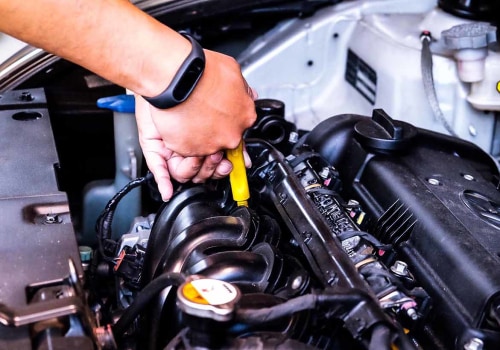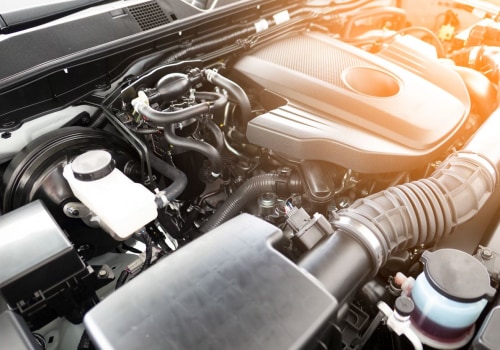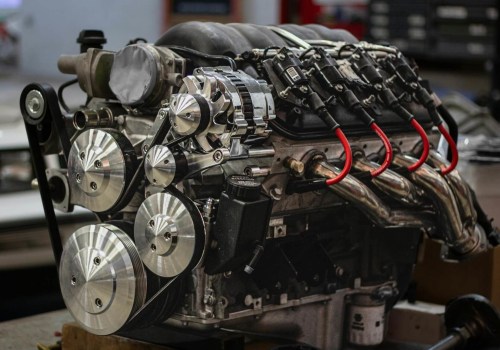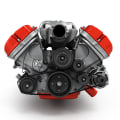
When it comes to optimizing your vehicle's performance, engine tuning services play a crucial role. These services involve adjusting various engine parameters to enhance efficiency, power output, and overall drivability. Whether you drive a high-performance sports car or a reliable family sedan, a professional engine tune-up can significantly improve your vehicle's responsiveness and fuel economy. By recalibrating the engine's air-fuel mixture, ignition timing, and other critical settings, tuning services ensure that your engine operates at its best.However, the benefits of an engine tune-up extend beyond just immediate performance gains.
Regular tuning can help identify potential issues before they escalate into costly repairs, making it an essential part of vehicle maintenance. After undergoing an engine tune-up, many vehicle owners may wonder about the necessary maintenance requirements to keep their engines running smoothly. Understanding these post-tune-up needs is vital for sustaining the improvements achieved through tuning.In this article, we will explore the importance of engine tuning services, what a typical tune-up entails, and the essential maintenance practices that should follow to ensure long-lasting performance enhancements. By staying informed about these aspects, you can maximize the benefits of your engine tune-up and enjoy a more reliable driving experience.
What is an Engine Tune-Up?
An engine tune-up is a comprehensive service designed to optimize the performance and efficiency of your vehicle's engine.This process typically involves a series of checks and adjustments that ensure all components are functioning correctly. The primary goal of an engine tune-up is to enhance fuel efficiency, reduce emissions, and improve overall engine performance.During an engine tune-up, several key components are inspected and serviced:
- Spark Plugs: These are replaced or cleaned to ensure proper ignition of the air-fuel mixture.
- Ignition System: The ignition timing is checked and adjusted if necessary, which can significantly affect engine performance.
- Fuel System: Fuel filters may be replaced, and fuel injectors are often cleaned to ensure optimal fuel delivery.
- Air Filters: A clean air filter allows for better airflow into the engine, which is crucial for efficient combustion.
- Fluid Levels: Engine oil, coolant, and other vital fluids are checked and topped off as needed.
- Increased Fuel Efficiency: By ensuring that all components are working harmoniously, you can achieve better mileage.
- Extended Engine Life: Regular maintenance helps prevent wear and tear on engine parts, prolonging their lifespan.
- Reduced Emissions: A properly tuned engine produces fewer harmful emissions, contributing to a cleaner environment.
Immediate Maintenance After an Engine Tune-Up
After receiving engine tuning services, it’s crucial to take immediate steps to ensure that your vehicle continues to perform optimally.Here are some essential maintenance tasks to consider:
- Check Fluid Levels: Immediately after a tune-up, inspect the engine oil, coolant, and transmission fluid levels. Proper fluid levels are vital for maintaining engine health and performance.
- Monitor Performance: Pay attention to how your vehicle responds after the tune-up. Notice any changes in acceleration, idling, or fuel efficiency. If you experience any unusual behavior, consult your mechanic.
- Inspect for Leaks: After a tune-up, it’s wise to check for any fluid leaks under the vehicle.
Look for signs of oil or coolant pooling on the ground, which could indicate a problem that needs addressing.
- Reset Engine Light: If your vehicle's check engine light was on prior to the tune-up, ensure it has been reset. If it remains illuminated after the service, further diagnostics may be necessary.
Regular Maintenance Practices Post-Tune-Up
After receiving engine tuning services, it’s essential to implement regular maintenance practices to ensure your vehicle continues to perform at its best.Here are some key maintenance tips to follow:
- Regular Oil Changes: Engine oil lubricates the moving parts of your engine, reducing friction and wear. After a tune-up, it’s crucial to change the oil at the manufacturer-recommended intervals, typically every 3,000 to 7,500 miles, depending on your vehicle and oil type.
- Filter Replacements: Air and fuel filters play a vital role in maintaining engine efficiency. A clean air filter ensures optimal airflow, while a fresh fuel filter prevents contaminants from entering the engine. Check and replace these filters regularly, ideally every 15,000 to 30,000 miles.
- Spark Plug Inspections: Spark plugs ignite the air-fuel mixture in the engine cylinders.
After a tune-up, inspect them periodically for wear and replace them as needed, usually every 30,000 to 100,000 miles depending on the type of spark plugs used.
- Tire Maintenance: Properly inflated and aligned tires contribute to better fuel efficiency and handling. Regularly check tire pressure and tread depth, and rotate your tires every 5,000 to 7,500 miles.
- Fluid Checks: Regularly inspect all vehicle fluids including coolant, brake fluid, transmission fluid, and power steering fluid. Keeping these fluids at optimal levels is crucial for overall vehicle performance.
Signs Your Engine Needs Attention After a Tune-Up
After receiving engine tuning services, it’s crucial to monitor your vehicle for any signs that may indicate further issues.While a tune-up can significantly improve performance, it doesn’t guarantee that all engine problems are resolved. Here are some common signs that your engine may need additional attention:
- Unusual Noises: If you start hearing knocking, pinging, or any other strange sounds from the engine, it could indicate underlying issues such as worn-out components or improper tuning.
- Check Engine Light: A persistent check engine light after a tune-up is a clear signal that something is amiss. It’s essential to have the vehicle diagnosed to identify the specific problem.
- Decreased Fuel Efficiency: If you notice a sudden drop in fuel economy, it may suggest that the engine is not running optimally, possibly due to issues with the air-fuel mixture or ignition system.
- Rough Idling: An engine that idles roughly or stalls frequently can indicate problems with the spark plugs, fuel injectors, or other critical components that were serviced during the tune-up.
- Excessive Exhaust Smoke: Any unusual smoke from the exhaust—whether blue, white, or black—can be a sign of serious engine problems that need immediate attention.
FAQs About Engine Tuning Services and Maintenance
When considering engine tuning services, many vehicle owners have questions about what to expect not only during the tuning process but also in terms of ongoing maintenance.Here are some frequently asked questions regarding engine tuning and the necessary maintenance that follows.
What should I do immediately after an engine tune-up?
After receiving engine tuning services, it’s essential to monitor your vehicle's performance closely. Here are a few steps to take:- Check for any warning lights: Ensure that no dashboard warning lights are illuminated, as this could indicate an issue that needs addressing.
- Test drive: Take your vehicle for a short drive to feel any changes in performance, such as improved acceleration or smoother idling.
- Inspect fluid levels: Check oil, coolant, and other fluid levels to ensure they are within the recommended ranges.
How often should I perform maintenance after a tune-up?
The frequency of maintenance after an engine tune-up can vary based on several factors, including your vehicle type and driving habits. However, consider the following general guidelines:- Regular oil changes: Change your engine oil every 3,000 to 5,000 miles or as recommended by your vehicle manufacturer.
- Air filter replacement: Check and replace the air filter every 15,000 to 30,000 miles to ensure optimal airflow and engine performance.
- Spark plug inspection: Inspect spark plugs every 30,000 miles; replace them if they show signs of wear or damage.
Are there any specific signs that indicate I need further maintenance?
Yes, there are several signs that may indicate your vehicle requires additional maintenance after a tune-up:- Poor fuel economy: If you notice a sudden drop in fuel efficiency, it may be time for further inspection.
- Unusual noises: Any strange sounds from the engine could signal a problem that needs attention.
- Rough idling or stalling: If your engine is idling roughly or stalling frequently, it’s crucial to have it checked by a professional.
Conclusion: Ensuring Optimal Engine Performance After a Tune-Up
In conclusion, maintaining your vehicle after receiving engine tuning services is crucial for ensuring optimal performance and longevity. A tune-up can significantly enhance your engine's efficiency, but without proper follow-up care, those benefits may diminish over time. To keep your engine running smoothly, consider the following maintenance practices:- Regular Oil Changes: Engine oil lubricates moving parts and helps prevent wear.
Follow the manufacturer’s recommendations for oil change intervals to maintain engine health.
- Monitor Fluid Levels: Regularly check and top off essential fluids, including coolant, brake fluid, and transmission fluid. Low levels can lead to overheating and other serious issues.
- Inspect Air Filters: A clean air filter ensures optimal airflow to the engine. Replace it as needed to maintain performance and fuel efficiency.
- Tire Maintenance: Properly inflated and aligned tires contribute to better handling and fuel economy. Regularly check tire pressure and tread depth.
- Scheduled Inspections: Adhere to a routine inspection schedule to catch potential issues early.
This includes checking belts, hoses, and spark plugs.