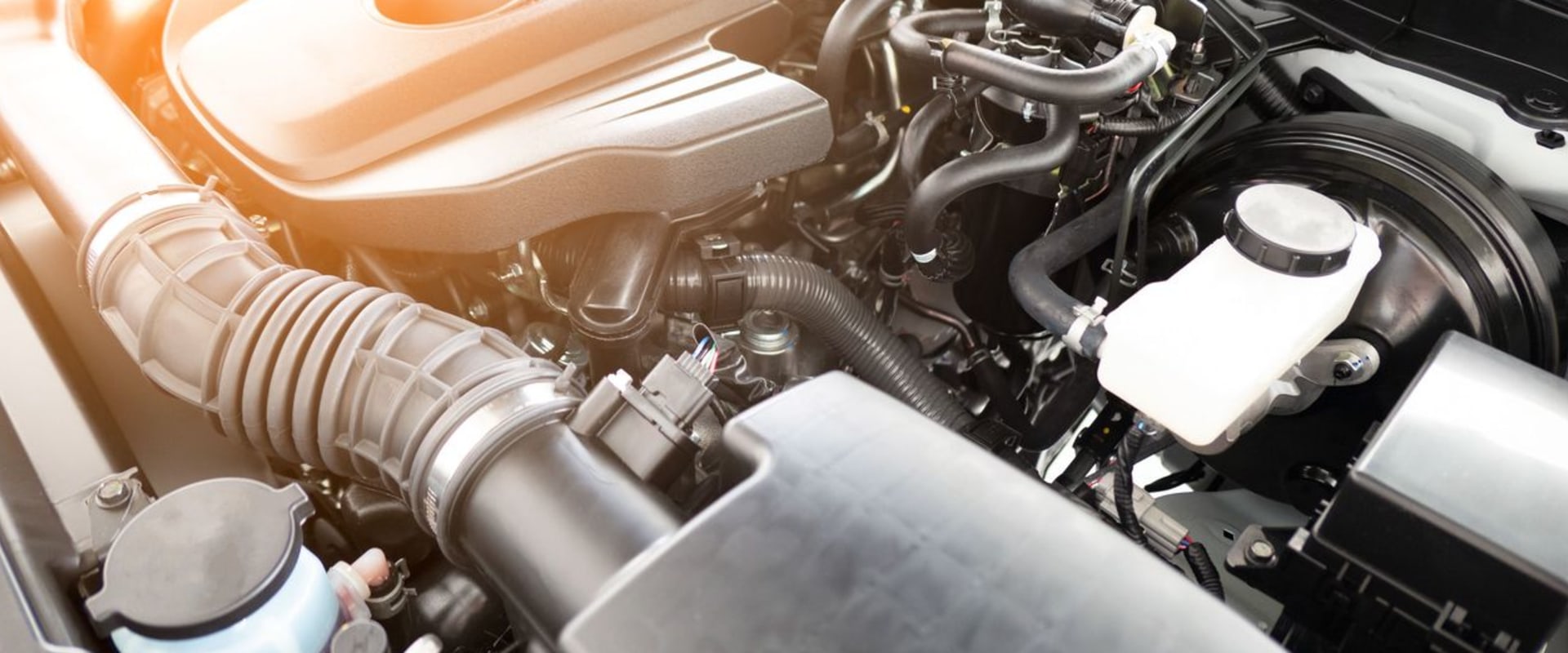
Engine tuning is a critical process that involves adjusting and optimizing the various components of a vehicle's engine to enhance its performance, efficiency, and overall driving experience. This intricate procedure can significantly impact how a vehicle responds to acceleration, fuel consumption, and even emissions. By fine-tuning the engine's settings, mechanics can unlock hidden potential, allowing drivers to enjoy a more powerful and responsive ride. The significance of engine tuning services extends beyond mere performance enhancements. It plays a vital role in ensuring that the engine operates within its optimal parameters, which can lead to improved longevity and reliability.
Whether it's adjusting the air-fuel mixture, modifying ignition timing, or recalibrating the engine control unit (ECU), each aspect of tuning contributes to a smoother and more efficient operation. This not only enhances the driving experience but also helps in maintaining compliance with environmental regulations. In essence, understanding what engine tuning entails is crucial for any car enthusiast or everyday driver looking to maximize their vehicle's capabilities. As we delve deeper into this topic, we will explore the various methods and benefits of engine tuning, providing insights into how these services can transform your vehicle into a high-performance machine.
The Importance of Engine Tuning Services
Engine tuning services play a crucial role in enhancing the overall performance and efficiency of your vehicle. By optimizing various engine parameters, these services can lead to significant improvements that benefit both the driver and the vehicle itself.Improved Performance
: One of the primary reasons to consider engine tuning services is the noticeable boost in performance.
Tuning can adjust fuel-air mixtures, ignition timing, and other critical factors, resulting in increased horsepower and torque. This means a more responsive throttle and a more exhilarating driving experience.
Enhanced Fuel Efficiency
: Another compelling benefit of engine tuning is improved fuel efficiency. By fine-tuning the engine's settings, you can achieve better combustion, which translates to less fuel consumption. This not only saves you money at the pump but also reduces your carbon footprint, making it an environmentally friendly choice.
Longevity of the Engine
: Regular engine tuning can also contribute to the longevity of your vehicle's engine.
By ensuring that all components are functioning optimally, you can prevent excessive wear and tear. This proactive approach helps avoid costly repairs down the line and keeps your engine running smoothly for years to come.
Why Tune Your Engine?
: The decision to tune your engine should be based on several factors, including your driving habits and performance goals. Whether you're looking for a daily driver that offers better fuel economy or a high-performance machine that delivers thrilling speed, engine tuning services can be tailored to meet your specific needs.In summary, investing in engine tuning services is not just about enhancing performance; it's about achieving a balanced combination of power, efficiency, and durability. With the right tuning, you can unlock your vehicle's full potential while enjoying a smoother and more enjoyable ride.
Types of Engine Tuning Services
When it comes to engine tuning services, there are several distinct types that cater to different needs and preferences.Understanding these types can help vehicle owners make informed decisions about how to enhance their engine's performance or efficiency.
- Performance Tuning: This type of tuning focuses on maximizing the power output and overall performance of the engine. It often involves modifications such as remapping the engine control unit (ECU), upgrading exhaust systems, and enhancing air intake systems. Performance tuning is ideal for those looking to improve acceleration, top speed, and overall driving experience.
- Economy Tuning: In contrast to performance tuning, economy tuning aims to improve fuel efficiency without sacrificing too much power. This service is particularly beneficial for daily drivers who want to save on fuel costs.
Techniques may include optimizing the ECU settings for better fuel-air mixture and adjusting ignition timing.
- Custom Tuning: For those with specific performance goals or unique vehicle setups, custom tuning offers a tailored approach. This service involves a detailed analysis of the vehicle's current performance metrics and adjustments made based on the owner's preferences. Custom tuning can combine elements of both performance and economy tuning, depending on the desired outcome.
Custom tuning, while potentially pricier, offers a personalized experience that can yield significant benefits tailored to individual driving styles.Ultimately, the choice between these types of engine tuning services will depend on your specific goals, whether they be increased horsepower, improved fuel economy, or a combination of both. Consulting with a professional tuner can help clarify which option is best suited for your vehicle's needs.
The Engine Tuning Process Explained
The engine tuning process is a meticulous procedure that enhances the performance and efficiency of a vehicle's engine. It involves several key steps, each designed to optimize the engine's operation based on specific performance goals.1.Diagnostics
- The first step in engine tuning services is thorough diagnostics. Technicians use advanced diagnostic tools to assess the current state of the engine, identifying any issues that may affect performance.
- This includes checking for error codes, analyzing fuel trims, and evaluating the overall health of engine components.
2.Adjustments
- Once diagnostics are complete, the next phase involves making necessary adjustments.
This can include recalibrating the engine control unit (ECU) to optimize fuel delivery and ignition timing.
- Technicians may also adjust air-fuel ratios, boost levels in turbocharged engines, and modify exhaust systems to improve airflow.
3.Testing
- After adjustments are made, rigorous testing is conducted to ensure that the changes have positively impacted performance. This often involves road testing and using dynamometers to measure power output and torque.
- During this phase, technicians monitor various parameters to ensure that the engine operates within safe limits while achieving desired performance enhancements.
4.Final Calibration
- The final step in the engine tuning process is calibration. Based on testing results, further fine-tuning may be necessary to achieve optimal performance.
- This iterative process ensures that all adjustments work harmoniously together, providing a balanced and efficient engine operation.
Tools and Equipment Used in Engine Tuning
Engine tuning is a meticulous process that requires a variety of specialized tools and equipment to ensure optimal performance.Professionals in the field rely on these instruments to diagnose issues, make adjustments, and enhance engine efficiency.
- Diagnostic Tools: These are essential for identifying problems within the engine. Common diagnostic tools include:
- OBD-II Scanners: These devices connect to the vehicle's onboard diagnostics system, allowing tuners to read error codes and monitor real-time data.
- Compression Testers: Used to measure the compression levels in each cylinder, helping to identify potential issues with engine health.
- Vacuum Gauges: These tools assess the vacuum levels in the intake manifold, providing insights into engine performance and efficiency.
- Tuning Software: Modern engine tuning often involves software that interfaces with the vehicle's ECU (Engine Control Unit). Popular options include:
- ECU Remapping Software: This allows tuners to modify fuel maps, ignition timing, and other parameters for improved performance.
- Dyno Software: Used in conjunction with a dynamometer, this software helps analyze power output and torque curves, guiding tuning adjustments.
- Mechanical Tools: In addition to diagnostic and software tools, various mechanical tools are necessary for physical adjustments. These include:
- Torque Wrenches: Ensuring that bolts are tightened to the manufacturer’s specifications is crucial for engine integrity.
- Sockets and Ratchets: Essential for removing and installing engine components during the tuning process.
- Fuel Pressure Gauges: These gauges help monitor fuel delivery, ensuring that the engine receives the correct amount of fuel for optimal performance.
By utilizing the right tools, tuners can significantly enhance engine performance, efficiency, and longevity.
Common Myths About Engine Tuning
When it comes to engine tuning services, there are numerous myths and misconceptions that can cloud a car owner's understanding of what tuning truly entails. Debunking these myths is essential for anyone considering tuning their vehicle.Myth 1: Engine Tuning is Only for Racing Cars Many believe that engine tuning is exclusively for high-performance racing vehicles. In reality, tuning can benefit any car, enhancing fuel efficiency, improving drivability, and optimizing engine performance regardless of the vehicle's intended use.Myth 2: Tuning Will Void Your Warranty Another common misconception is that any form of tuning will automatically void a vehicle's warranty. While some modifications may affect warranty coverage, many engine tuning services are designed to comply with manufacturer specifications, ensuring that your warranty remains intact.Myth 3: All Tuning Services Are the Same Not all engine tuning services are created equal.There are various methods and technologies used in tuning, from simple ECU remapping to complex performance upgrades. It's crucial to choose a reputable service provider who understands your specific vehicle needs.Myth 4: Tuning is Dangerous and Unreliable Some people fear that tuning can lead to engine damage or reliability issues. However, when performed by experienced professionals, engine tuning can enhance performance without compromising engine integrity. Proper tuning takes into account the vehicle's specifications and ensures safe operation.Myth 5: You Need Special Fuel After Tuning A prevalent myth is that once you tune your engine, you must use high-octane fuel.
While some performance tunes may require premium fuel, many standard tunes are designed to work with regular gasoline, making them accessible for everyday drivers. By understanding these common myths about engine tuning services, car owners can make informed decisions about enhancing their vehicles. It's essential to consult with professionals who can provide accurate information tailored to individual needs.
Choosing the Right Engine Tuning Service Provider
When it comes to engine tuning services, selecting the right provider is crucial for achieving optimal performance and reliability. Here are some key factors to consider when making your choice:- Experience and Expertise: Look for a service provider with a proven track record in engine tuning. Check their experience with your specific vehicle make and model, as different engines may require unique tuning approaches.
- Reputation: Research online reviews and testimonials from previous customers.
A reputable engine tuning service will have positive feedback and a strong presence in the automotive community.
- Certifications: Ensure that the technicians are certified and trained in engine tuning. This can be an indicator of their knowledge and commitment to quality service.
- Services Offered: Different providers may specialize in various aspects of engine tuning, such as performance upgrades, fuel efficiency improvements, or emissions compliance. Choose a provider that aligns with your specific needs.
- Technology and Tools: The best engine tuning services utilize advanced diagnostic tools and software. Inquire about the technology they use to ensure they can provide precise adjustments to your engine.
- Customer Support: A reliable service provider should offer excellent customer support, answering any questions you may have before, during, and after the tuning process.
Personal referrals can lead you to trustworthy providers who have delivered satisfactory results for others.Ultimately, taking the time to research and evaluate potential engine tuning service providers will help you make an informed decision, ensuring that your vehicle receives the best possible care and performance enhancements.
Frequently Asked Questions About Engine Tuning Services
When considering engine tuning services, many potential customers have questions about the process, benefits, and implications. Here are some of the most frequently asked questions:What is engine tuning?
Engine tuning refers to the process of modifying the engine's performance characteristics to enhance power, efficiency, and overall driving experience. This can involve adjusting fuel maps, ignition timing, and other parameters to optimize engine performance.Why should I consider engine tuning?
- Improved Performance: Tuning can significantly increase horsepower and torque, making your vehicle more responsive.
- Fuel Efficiency: Proper tuning can lead to better fuel economy by optimizing the air-fuel mixture.
- Customization: Tuning allows you to tailor your vehicle's performance to suit your driving style or specific needs.
Is engine tuning safe?
When performed by qualified professionals, engine tuning services are generally safe. However, improper tuning can lead to engine damage or reduced reliability.It’s crucial to choose a reputable service provider with experience in your vehicle type.
How long does the tuning process take?
The duration of the tuning process can vary based on the complexity of the modifications and the specific services required. Typically, a standard tune can take anywhere from a few hours to a full day.Will tuning void my warranty?
Tuning may affect your vehicle's warranty, particularly if it leads to engine damage. It’s advisable to check with your manufacturer or dealer regarding their policies on modifications before proceeding with any engine tuning services.What should I do after tuning?
- Monitor Performance: Keep an eye on how your vehicle performs post-tuning.
- Regular Maintenance: Ensure that you maintain your vehicle regularly to keep it running smoothly.
- Consult Professionals: If you notice any issues, consult with your tuner for advice or adjustments.
Conclusion: The Value of Professional Engine Tuning Services
In conclusion, professional engine tuning services play a crucial role in enhancing vehicle performance, efficiency, and longevity. Throughout this article, we have explored the various aspects of engine tuning, including its benefits, the tuning process, and the importance of relying on experienced professionals.One of the key takeaways is that engine tuning is not merely about increasing horsepower; it encompasses a comprehensive approach to optimizing your vehicle's overall performance.By adjusting parameters such as fuel mixture, ignition timing, and air intake, professional tuners can ensure that your engine operates at its peak efficiency.Moreover, utilizing engine tuning services from qualified technicians can help prevent potential issues that may arise from improper tuning. These experts possess the necessary tools and knowledge to diagnose problems accurately and implement solutions tailored to your specific vehicle model.
- Improved Performance: Enhanced throttle response and acceleration.
- Increased Fuel Efficiency: Better fuel economy through optimized settings.
- Longevity: Reduced wear and tear on engine components.