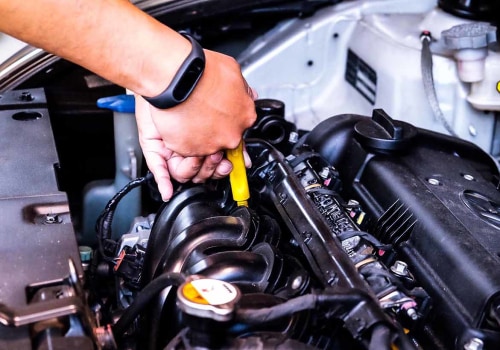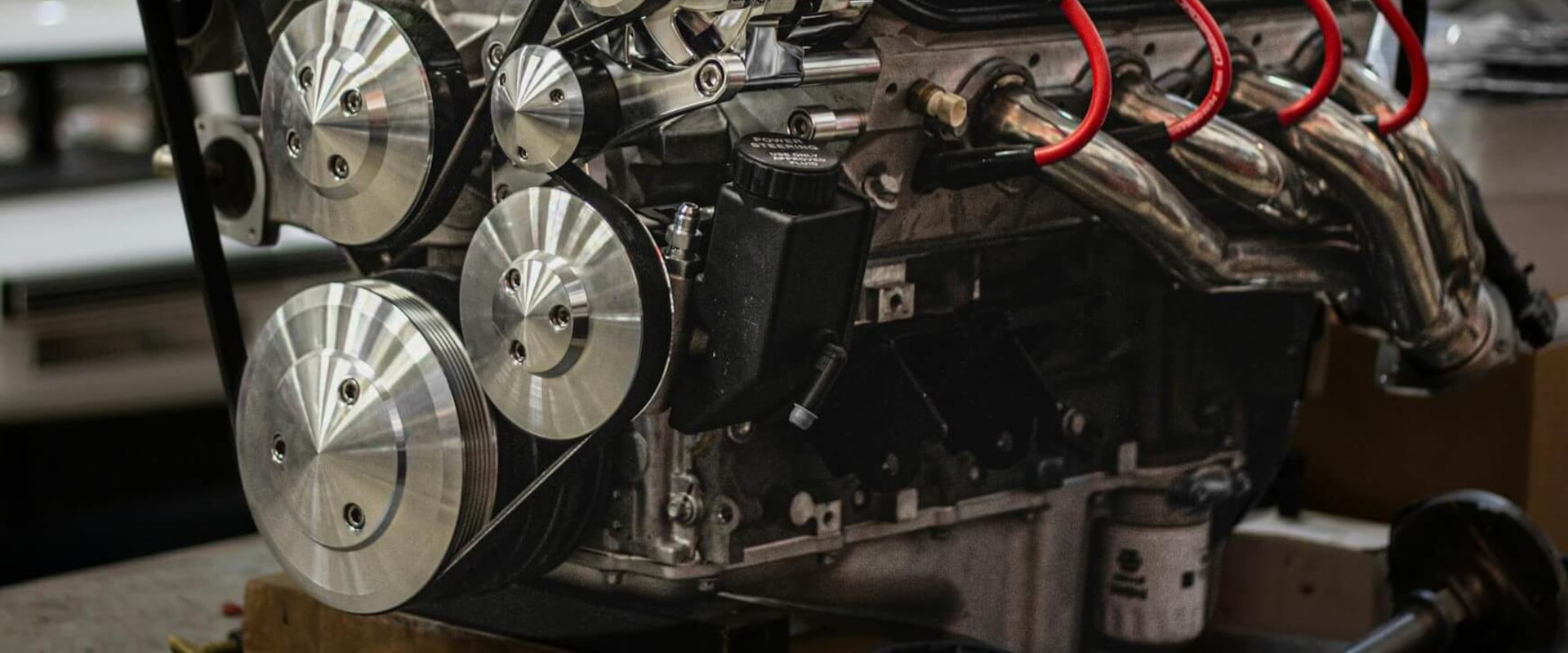
Engine tuning is a specialized process that involves adjusting and optimizing various components of a vehicle's engine to enhance its performance. This can include modifications to the engine's fuel injection system, ignition timing, and air intake, among other elements. The primary goal of engine tuning services is to achieve a balance between power output and fuel efficiency, making it a crucial consideration for both performance enthusiasts and everyday drivers alike. When done correctly, engine tuning can lead to significant improvements in how a vehicle operates. By fine-tuning the engine's parameters, drivers may experience better throttle response, increased horsepower, and, importantly, enhanced fuel economy.
This is particularly relevant in today's world where rising fuel costs and environmental concerns are at the forefront of many drivers' minds. Understanding the benefits of engine tuning can help vehicle owners make informed decisions about their cars. Moreover, the relevance of engine tuning extends beyond just performance metrics; it also plays a vital role in extending the lifespan of an engine. A well-tuned engine operates more efficiently, reducing wear and tear on its components. This not only contributes to better fuel efficiency but also minimizes the frequency of repairs and maintenance.
As we delve deeper into the topic, we will explore how these tuning services can specifically impact fuel economy and what drivers can expect from such enhancements.
How Engine Tuning Works
Engine tuning is a process that optimizes a vehicle's performance by adjusting various parameters within the engine's control systems. This can lead to improved fuel efficiency, enhanced power output, and a more responsive driving experience. Understanding how engine tuning works is essential for car owners looking to maximize their vehicle's potential.One of the primary methods of engine tuning is ECU remapping. The Engine Control Unit (ECU) is the brain of the vehicle, managing fuel injection, ignition timing, and other critical functions.By remapping the ECU, tuners can modify these settings to achieve better fuel economy. This process involves using specialized software to rewrite the factory settings, allowing for more efficient fuel usage without sacrificing performance.Another popular method is the installation of performance chips. These chips can be added to the vehicle's existing ECU or installed as standalone units. They work by altering the signals sent to various engine components, optimizing their performance.
Performance chips can enhance fuel efficiency by ensuring that the engine operates at its most efficient level under different driving conditions.Additionally, exhaust modifications play a significant role in engine tuning. Upgrading to a high-performance exhaust system can reduce back pressure and improve airflow, allowing the engine to breathe better. This not only boosts power but can also lead to improved fuel efficiency as the engine works more effectively.In summary, engine tuning services encompass a variety of methods including ECU remapping, performance chips, and exhaust modifications. Each of these techniques contributes to optimizing engine performance and enhancing fuel efficiency, making them valuable options for drivers seeking to improve their vehicle's overall efficiency.
The Relationship Between Engine Tuning and Fuel Efficiency
When considering engine tuning services, one of the most frequently asked questions is whether these modifications can enhance fuel efficiency.The relationship between engine tuning and fuel economy is complex, yet numerous studies and expert opinions suggest a positive correlation.
Understanding Engine Tuning
- Engine tuning involves adjusting the engine's parameters to optimize performance, which can include modifying the air-fuel mixture, ignition timing, and other critical settings.
- These adjustments can lead to a more efficient combustion process, ultimately resulting in better fuel utilization.
Does Tuning Improve Gas Mileage?
Many vehicle owners report noticeable improvements in gas mileage after undergoing engine tuning. For instance, a study conducted by automotive engineers found that vehicles with tuned engines could achieve up to a 15% increase in fuel efficiency under certain driving conditions. This improvement is often attributed to:
- Enhanced combustion efficiency, which allows for more power from less fuel.
- Reduced engine load, leading to less energy wasted during operation.
- Optimized performance settings that align with the vehicle's specific driving habits.
Real-World Examples
A case study involving a fleet of delivery trucks demonstrated that after implementing engine tuning services, the company experienced a significant reduction in fuel costs. The trucks, which initially averaged 10 miles per gallon, improved to 12 miles per gallon post-tuning.
This not only saved money but also reduced their carbon footprint.In conclusion, while the extent of fuel economy benefits from engine tuning can vary based on vehicle type and driving conditions, many drivers find that professional tuning services can lead to substantial improvements in gas mileage. As such, investing in engine tuning services may be a wise choice for those looking to enhance their vehicle's efficiency and performance.
Benefits of Professional Engine Tuning Services
When it comes to enhancing your vehicle's performance and fuel efficiency, opting for professional engine tuning services can make a significant difference. Unlike DIY methods, which may lack the necessary expertise and tools, professional tuners bring a wealth of knowledge and experience to the table.Expertise and Precision
- Professional tuners are trained to understand the intricate workings of various engine types, allowing them to make precise adjustments that maximize performance.
- They utilize advanced diagnostic tools and software to analyze your engine's current state, ensuring that any modifications are tailored specifically to your vehicle's needs.
Long-Term Savings
- While some may view professional tuning as an upfront expense, the long-term savings in fuel costs can be substantial. A well-tuned engine operates more efficiently, leading to better mileage.
- Additionally, professional services often include a comprehensive inspection of your vehicle, identifying other areas that may need attention, which can prevent costly repairs down the line.
Why Choose Professional Services?
- Choosing professional engine tuning services means you are investing in quality.
The precision and care taken by experts can lead to a more reliable and efficient vehicle.
- Moreover, many professional tuners offer warranties on their work, providing peace of mind that your investment is protected.
Potential Risks and Considerations of Engine Tuning
While engine tuning services can offer significant benefits, such as improved performance and potentially enhanced fuel efficiency, there are also several risks and considerations that vehicle owners should be aware of before proceeding.Potential Drawbacks of Tuning Services
- Warranty Issues: One of the primary concerns with engine tuning is the potential to void your vehicle's warranty. Many manufacturers specify that modifications can lead to warranty denial, especially if a tuning service causes damage.
- Increased Wear and Tear: Tuning can push your engine beyond its factory specifications, which may lead to increased wear on components. This can result in more frequent repairs and a shorter lifespan for your engine.
- Fuel Quality Requirements: Some tuning services may require higher octane fuel to operate effectively.
This can lead to increased fuel costs and may not be practical for all drivers.
- Legal Compliance: Depending on your location, certain tuning modifications may not comply with emissions regulations. This could result in fines or the inability to pass vehicle inspections.
Considerations Before Tuning
Before opting for engine tuning services, consider the following:- Your Driving Needs: Assess whether the performance gains from tuning align with your driving habits. If you primarily drive in city traffic, the benefits may be minimal.
- Research Reputable Services: Not all tuning services are created equal. Look for reputable providers with positive reviews and proven results to minimize risks.
- Understand Your Vehicle: Different vehicles respond differently to tuning.
Research how your specific make and model has performed post-tuning to gauge potential outcomes.
Real-Life Case Studies: Fuel Efficiency Improvements from Engine Tuning
Engine tuning services have proven to be a game-changer for many vehicle owners looking to enhance their fuel efficiency. Here are some compelling real-life case studies that illustrate the tangible benefits of engine tuning.Case Study 1: Small Business Fleet
A local delivery company operating a fleet of 10 vans decided to invest in engine tuning services to reduce operational costs. After tuning, the company reported a remarkable 15% increase in fuel efficiency.This improvement not only lowered their fuel expenses but also extended the lifespan of their vehicles, as the engines were running more smoothly and efficiently.
Case Study 2: Personal Vehicle Upgrade
John, a car enthusiast, opted for professional engine tuning on his 2015 sedan. Initially skeptical about the potential benefits, he was pleasantly surprised to see a 10% improvement in miles per gallon (MPG) after the tuning process. John noted that the enhanced throttle response and overall performance made his driving experience much more enjoyable, proving that engine tuning services can significantly impact personal vehicles as well.Case Study 3: Eco-Friendly Initiative
A non-profit organization focused on sustainability decided to tune their vehicles to promote eco-friendliness. By utilizing engine tuning services, they achieved an impressive 20% increase in fuel efficiency.This not only reduced their carbon footprint but also allowed them to allocate more funds towards their environmental initiatives.These success stories highlight how engine tuning can lead to substantial improvements in fuel efficiency across various applications. Whether for personal use or business operations, investing in professional tuning services can yield significant long-term savings and performance enhancements.
Frequently Asked Questions About Engine Tuning and Fuel Efficiency
When considering engine tuning services, many car owners have questions about how these modifications can affect fuel efficiency. Below are some frequently asked questions that can help clarify the relationship between engine tuning and fuel economy.- What is engine tuning?
Engine tuning refers to the process of modifying the engine's performance parameters to enhance its efficiency, power output, and overall drivability. This can involve adjusting fuel maps, ignition timing, and other engine settings. - Can engine tuning improve fuel efficiency?
Yes, engine tuning services can lead to improved fuel efficiency.By optimizing the air-fuel mixture and enhancing combustion processes, tuned engines can operate more efficiently, resulting in better mileage.
- Are there specific types of tuning that are better for fuel efficiency?
Yes, eco-tuning focuses specifically on maximizing fuel economy. This type of tuning adjusts the engine settings to prioritize efficiency over power, making it ideal for drivers looking to save on gas. - Will tuning void my vehicle's warranty?
It depends on the manufacturer and the extent of the modifications. Some manufacturers may void warranties if significant changes are made. Always check with your dealer before proceeding with engine tuning services. - How much can I expect to save on fuel after tuning?
Savings vary based on the vehicle and the type of tuning performed.Many drivers report improvements of 5% to 15% in fuel economy after a professional tune-up.
Conclusion: Is Engine Tuning Worth It for Fuel Efficiency?
In conclusion, engine tuning services can indeed enhance fuel efficiency, but the decision to pursue such modifications should be made with careful consideration. Throughout this article, we explored how tuning can optimize engine performance by adjusting parameters such as air-fuel ratios and ignition timing, leading to improved combustion efficiency. However, it is crucial to recognize that the benefits of engine tuning are not universal.Factors such as the vehicle's make and model, the type of tuning performed, and the driving conditions all play significant roles in determining the actual gains in fuel efficiency. Here are some key points to consider:
- Potential Fuel Savings: Many drivers report noticeable improvements in miles per gallon (MPG) after tuning their engines, particularly in vehicles that are older or have not been maintained properly.
- Performance Trade-offs: While tuning can enhance fuel efficiency, it may also lead to increased wear on engine components or a decrease in reliability if not done correctly.
- Cost vs. Benefit: The initial investment in engine tuning services can vary widely. It's essential to evaluate whether the potential savings on fuel will offset the cost of tuning and any subsequent maintenance.
Drivers should weigh the potential benefits against the risks and costs involved. Consulting with a qualified professional can provide insights tailored to your specific vehicle and driving habits, ensuring that you make an informed decision that aligns with your goals for performance and efficiency.