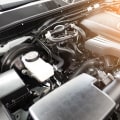
When it comes to enhancing vehicle performance, engine tuning and engine remapping are two terms that often come up, yet they represent distinct processes with unique benefits. Understanding these differences is essential for car enthusiasts and everyday drivers alike who are looking to optimize their vehicles. Both methods aim to improve engine efficiency and power output, but they do so in different ways and with varying levels of complexity.
Engine tuning
generally refers to a broader range of modifications that can be made to an engine. This can include mechanical adjustments, such as changing the air intake system, exhaust modifications, or even upgrading components like turbochargers.Tuning is often a holistic approach that considers the entire engine system, aiming for a balance between performance and reliability. On the other hand, engine remapping specifically involves altering the software that controls the engine's electronic control unit (ECU). This process adjusts parameters such as fuel injection timing and boost pressure to enhance performance without necessarily changing physical components. The choice between engine tuning services and remapping largely depends on individual goals and the specific vehicle in question. For those seeking a comprehensive overhaul of their engine's capabilities, tuning may be the way to go.
Conversely, if you're looking for a more straightforward solution that can yield significant performance gains with minimal physical alterations, remapping could be the ideal option. As we delve deeper into this topic, we will explore the nuances of each method, helping you make an informed decision about which service best suits your needs.
What is Engine Tuning?
Engine tuning refers to the process of modifying a vehicle's engine to enhance its performance, efficiency, and overall driving experience. This can involve a variety of adjustments, from simple mechanical changes to complex software modifications. The primary goal of engine tuning is to optimize the engine's output, ensuring that it runs smoothly and efficiently under various conditions.There are several methods used in engine tuning services, including:- Mechanical Adjustments: This includes changes to components such as the air intake system, exhaust system, and fuel injectors.
By improving airflow and fuel delivery, these adjustments can significantly boost engine performance.
- ECU Remapping: The Engine Control Unit (ECU) is the brain of the engine. Remapping involves altering the software that controls engine functions, allowing for better fuel efficiency and increased power output.
- Performance Chips: Installing performance chips can enhance engine performance by optimizing fuel maps and ignition timing without extensive mechanical changes.
- Increased Power: One of the most immediate benefits is a noticeable increase in horsepower and torque, making your vehicle more responsive.
- Improved Fuel Efficiency: Proper tuning can lead to better fuel economy, saving you money at the pump while reducing emissions.
- Smoother Operation: Tuning can eliminate rough idling and improve throttle response, resulting in a more enjoyable driving experience.
- Customization: Tuning allows for personalization of your vehicle’s performance characteristics to match your driving style or specific needs.
What is Engine Remapping?
Engine remapping is a specialized process that involves modifying the software within a vehicle's engine control unit (ECU) to enhance performance, efficiency, and drivability. Unlike traditional engine tuning, which may involve physical alterations to the engine components, remapping focuses on adjusting the parameters of the existing software to optimize how the engine operates.During the remapping process, technicians use advanced diagnostic tools to access the ECU and analyze its current settings.They can then modify various aspects such as fuel injection timing, boost pressure, and ignition timing. This allows for a more tailored performance profile that can lead to significant improvements in horsepower and torque.
Benefits of Engine Remapping
- Increased Power and Torque: One of the primary benefits of engine remapping is the potential for increased power output. By optimizing fuel and air mixtures, drivers can experience a noticeable boost in acceleration and overall performance.
- Improved Fuel Efficiency: Contrary to popular belief, remapping can also enhance fuel efficiency. By fine-tuning the engine's performance parameters, vehicles can achieve better mileage without sacrificing power.
- Enhanced Throttle Response: Remapping can lead to a more responsive throttle, allowing for quicker acceleration and improved driving dynamics.
- Customization: Engine remapping services offer a level of customization that allows drivers to tailor their vehicle's performance to their specific needs and preferences.
It provides numerous benefits that can significantly improve both driving experience and efficiency, setting it apart from traditional engine tuning methods.
Key Differences Between Engine Tuning and Engine Remapping
When considering engine tuning services, it's essential to understand the key differences between engine tuning and engine remapping. While both processes aim to enhance vehicle performance, they do so in distinct ways.Engine Tuning
Engine tuning refers to a broader range of modifications that can be made to an engine. This can include mechanical adjustments, such as changing the exhaust system, upgrading the intake, or even altering the fuel system. The goal of tuning is to optimize the engine's overall performance, efficiency, and responsiveness.Tuning often involves a combination of hardware upgrades and software adjustments, allowing for a more comprehensive enhancement of the vehicle's capabilities.
Engine Remapping
On the other hand, engine remapping specifically focuses on altering the engine's electronic control unit (ECU) software. This process involves rewriting the factory settings of the ECU to improve performance metrics such as horsepower and torque. Remapping is generally less invasive than tuning since it primarily deals with software changes rather than physical modifications. It can be a quicker and more cost-effective way to achieve noticeable performance gains.Which is Better for My Car?
The choice between engine tuning and engine remapping largely depends on your specific goals and the current state of your vehicle.If you're looking for a significant overhaul that includes both hardware and software improvements, tuning may be the better option. However, if you want a straightforward boost in performance without extensive modifications, remapping could be sufficient.Ultimately, consulting with a professional who specializes in engine tuning services can help you determine which approach aligns best with your vehicle's needs and your performance aspirations.
When to Choose Engine Tuning or Remapping?
Choosing between engine tuning and engine remapping largely depends on your vehicle's specific needs and your performance goals. Understanding when to opt for each service can significantly enhance your car's performance and efficiency.When to Consider Engine Tuning
Engine tuning is ideal for those looking to optimize their vehicle's overall performance, especially if you have a high-performance car or are involved in motorsports. This process often involves mechanical adjustments, such as upgrading components like the exhaust system, air intake, or even the turbocharger.Here are some scenarios where tuning might be the best option:
- Performance Upgrades: If you've installed aftermarket parts, tuning can help ensure that all components work harmoniously.
- Track Use: For cars used in racing, tuning can provide the edge needed for competitive performance.
- Custom Requirements: If you have specific performance goals or driving styles, tuning allows for a tailored approach.
When to Opt for Engine Remapping
Engine remapping, on the other hand, is often more suitable for everyday drivers looking to enhance fuel efficiency or increase power without extensive mechanical changes. This process involves altering the software that controls the engine's performance. Consider remapping if:- You Want Quick Gains: Remapping can provide noticeable improvements in power and efficiency with minimal downtime.
- Your Vehicle is Stock: If your car is mostly factory-standard, remapping can optimize existing settings without needing hardware modifications.
- You Seek Better Fuel Economy: Many drivers choose remapping to improve miles per gallon while still enjoying a boost in power.
Choosing the Right Engine Tuning Services Provider
When it comes to selecting the right engine tuning services provider, several factors should be taken into account to ensure you receive quality work that meets your performance goals.Here are some essential tips to guide your decision-making process:
- Research and Reviews: Start by researching potential providers online. Look for customer reviews and testimonials that highlight their experiences. Websites like Yelp or Google Reviews can provide insights into the quality of service offered.
- Experience and Expertise: Choose a provider with a proven track record in engine tuning. Experience often correlates with expertise, so look for companies that have been in the industry for several years and have a portfolio of successful projects.
- Certifications and Qualifications: Ensure that the technicians are certified and have the necessary qualifications.
This can include training from recognized institutions or manufacturers, which indicates a level of professionalism and knowledge.
- Services Offered: Not all tuning services are created equal. Some providers may specialize in specific types of vehicles or tuning methods. Make sure the provider you choose offers the specific services you need, whether it’s performance tuning, fuel efficiency optimization, or custom remapping.
- Equipment and Technology: The tools and technology used by the provider can significantly impact the quality of the tuning. Inquire about the software and hardware they utilize to ensure they are using up-to-date technology for accurate results.
- Customer Support: A reputable provider should offer excellent customer support.
This includes being available to answer questions before, during, and after the tuning process. Good communication is key to ensuring your needs are met.
Conclusion: Making an Informed Choice Between Tuning and Remapping
In conclusion, understanding the differences between engine tuning and engine remapping is crucial for any vehicle owner looking to enhance performance. Both processes aim to optimize engine efficiency and power output, but they do so in distinct ways.Engine tuning
typically involves a more comprehensive approach, which may include mechanical adjustments, modifications to the exhaust system, and enhancements to the intake system.
This method is often favored by enthusiasts who seek to achieve maximum performance and are willing to invest in extensive upgrades.On the other hand, engine remapping focuses primarily on altering the software that controls the engine's performance parameters. This process is generally less invasive and can be completed relatively quickly, making it an attractive option for those looking for a straightforward boost in power without significant modifications.When considering engine tuning services, it’s essential to evaluate your specific goals:
- If you desire a tailored solution that maximizes your vehicle's potential through physical modifications, engine tuning may be the right choice.
- If you prefer a simpler, cost-effective method to enhance performance without extensive changes, engine remapping could be more suitable.