Engine tuning is a crucial aspect of automotive performance that involves adjusting and optimizing various components of a vehicle's engine to enhance its efficiency, power output, and overall driving experience. By fine-tuning the engine's settings, drivers can achieve significant improvements in fuel economy, acceleration, and responsiveness. Understanding engine tuning services is essential for any car enthusiast or everyday driver looking to maximize their vehicle's potential. The benefits of engine tuning extend beyond mere performance enhancements. A well-tuned engine can lead to reduced emissions, which is increasingly important in today's environmentally conscious world.
Additionally, tuning can help identify and rectify underlying issues that may affect the engine's longevity, ultimately saving drivers from costly repairs down the line. Whether you're looking to improve your car's speed on the track or simply want a smoother ride on the highway, engine tuning offers a range of advantages that are hard to ignore. As we delve deeper into the world of engine tuning, it's important to note that while professional services are available, many enthusiasts are turning to DIY methods to achieve similar results. This article will explore various DIY techniques for engine tuning, empowering you with the knowledge to enhance your vehicle's performance without necessarily relying on professional services.
The Basics of Engine Tuning
Engine tuning is a critical aspect of automotive performance that involves adjusting various parameters to enhance the efficiency and power output of an engine. Understanding the basics of engine tuning is essential for anyone considering DIY methods or professional engine tuning services.At its core, engine tuning works by modifying the engine's fuel-air mixture, ignition timing, and other variables to optimize performance.This process can lead to improved horsepower, torque, and fuel efficiency. There are several types of engine tuning, each with its own focus and methodology:
- Performance Tuning: This type aims to maximize power output and responsiveness. It often involves modifications such as upgrading the exhaust system, installing a high-performance air intake, or reprogramming the engine control unit (ECU).
- Fuel Economy Tuning: Focused on improving fuel efficiency, this method adjusts the air-fuel ratio and ignition timing to ensure optimal combustion, which can lead to significant savings at the pump.
- Emissions Tuning: This type is designed to reduce harmful emissions while maintaining performance. It often involves fine-tuning the ECU settings to comply with environmental regulations.
Therefore, having a solid grasp of how engine tuning works is vital. Many enthusiasts start with simple modifications like changing spark plugs or upgrading air filters before progressing to more complex tasks such as ECU remapping.In summary, engine tuning encompasses a variety of techniques aimed at enhancing vehicle performance. By familiarizing yourself with these fundamentals, you can make informed decisions about whether to pursue DIY methods or seek professional engine tuning services.
DIY Engine Tuning Methods
For car enthusiasts looking to enhance their vehicle's performance without relying on engine tuning services, DIY engine tuning methods can be a rewarding and cost-effective solution. Here are some effective techniques you can implement at home.1.Adjusting the Air-Fuel Mixture
The air-fuel mixture is crucial for optimal engine performance.A lean mixture (too much air) can cause overheating, while a rich mixture (too much fuel) can lead to poor fuel economy. To adjust this:
- Locate the carburetor or fuel injection system.
- Use a tuning tool or screwdriver to adjust the mixture screws.
- Test drive your vehicle and monitor performance; repeat adjustments as necessary.
2.Upgrading the Exhaust System
A more efficient exhaust system can significantly improve engine performance. Consider these steps:- Replace the stock muffler with a high-performance option.
- Install larger diameter pipes to reduce back pressure.
- Ensure all connections are sealed properly to prevent leaks.
3.Reprogramming the Engine Control Unit (ECU)
If your vehicle has an ECU, reprogramming it can unlock additional power and efficiency:- Purchase a reliable ECU tuning software compatible with your vehicle.
- Connect your laptop to the vehicle’s OBD-II port.
- Follow the software instructions to adjust parameters such as ignition timing and fuel maps.
4.Regular Maintenance Checks
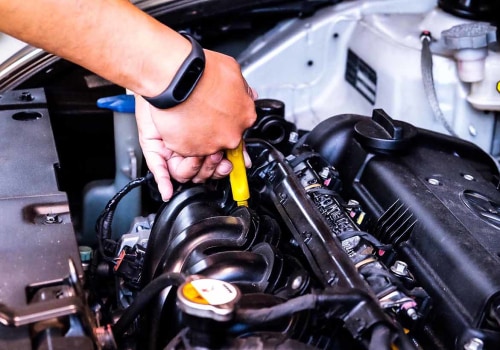
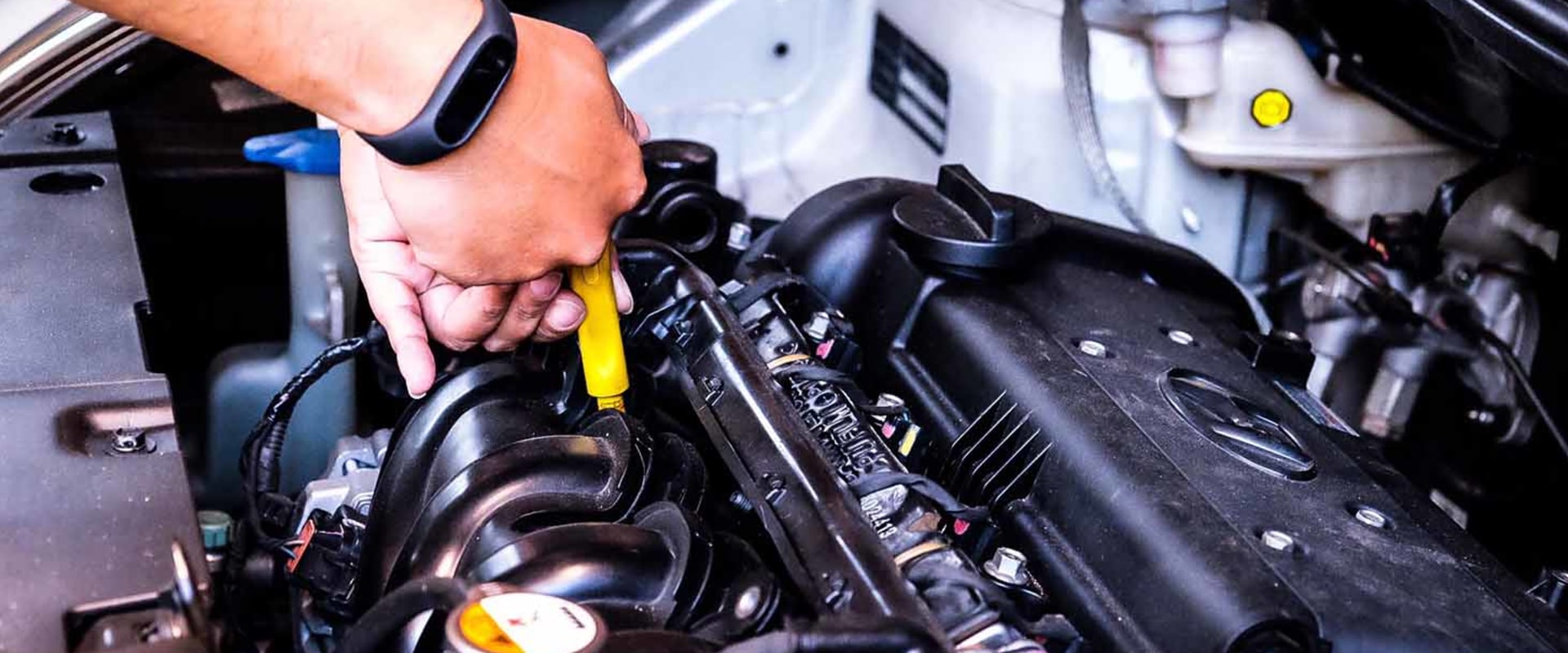
Sometimes, simple maintenance can lead to significant improvements:- Change the oil regularly to ensure smooth engine operation.
- Replace air filters to improve airflow into the engine.
- Check spark plugs and replace them if they show signs of wear.
Tools and Equipment Needed for DIY Engine Tuning
When embarking on a DIY engine tuning project, having the right tools and equipment is crucial for achieving optimal results.Below is a list of essential items that will help you effectively tune your engine.
- OBD-II Scanner: This tool is vital for diagnosing engine issues and reading error codes. It allows you to monitor various parameters and make informed adjustments.
- Wideband O2 Sensor: A wideband oxygen sensor provides accurate air-fuel ratio readings, which are essential for tuning. This tool helps ensure your engine runs efficiently and avoids damage from running too lean or too rich.
- Dyno or Dynamometer: While not always feasible for DIY enthusiasts, access to a dynamometer can provide precise measurements of your engine's power output. This data is invaluable for making performance improvements.
- Tuning Software: Depending on your vehicle, you may need specific software to adjust the engine's ECU settings.
Popular options include HP Tuners and EFI Live, which allow for detailed tuning adjustments.
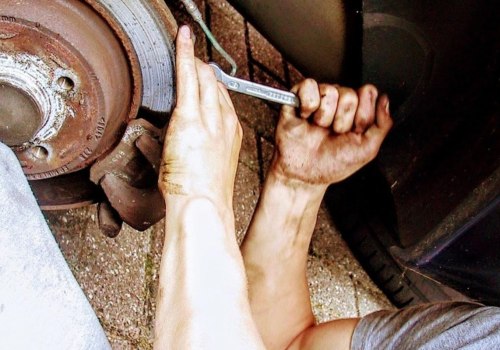
- Basic Hand Tools: A good set of hand tools, including wrenches, sockets, and screwdrivers, is essential for making mechanical adjustments during the tuning process.
- Torque Wrench: Ensuring that bolts are tightened to the correct specifications is critical in engine tuning. A torque wrench helps prevent over-tightening or under-tightening components.
- Vacuum Gauge: This tool helps diagnose issues related to vacuum leaks and can assist in tuning the intake system for better performance.
- Fuel Pressure Gauge: Monitoring fuel pressure is important for ensuring that your engine receives the correct amount of fuel during operation, which is vital for effective tuning.
Common Mistakes to Avoid in DIY Engine Tuning
When it comes to DIY engine tuning, many enthusiasts are eager to enhance their vehicle's performance. However, there are several common mistakes that can lead to suboptimal results or even damage to the engine.Understanding these pitfalls is crucial for anyone looking to undertake engine tuning services on their own.
1.Ignoring Manufacturer Specifications
One of the most significant errors is disregarding the manufacturer’s specifications. Each engine is designed with specific tolerances and parameters. Failing to adhere to these can result in poor performance or catastrophic failure. Always consult your vehicle’s manual before making any adjustments.2.Overlooking Data Logging
Many DIY tuners skip the essential step of data logging.Without proper data collection, it’s challenging to understand how changes affect engine performance. Utilize tools like OBD-II scanners or tuning software to monitor parameters such as air-fuel ratios, ignition timing, and engine temperatures.
3.Making Too Many Changes at Once
A common mistake is making multiple adjustments simultaneously. This approach complicates troubleshooting and makes it difficult to identify which change caused a problem. Instead, make one adjustment at a time and test the results before proceeding.4.Neglecting Fuel Quality
The quality of fuel used can significantly impact engine performance.Using low-quality fuel can lead to knocking and reduced efficiency, undermining your tuning efforts. Always opt for high-octane fuel that meets your engine's requirements.
5.Skipping Professional Help
While DIY tuning can be rewarding, there are times when professional help is necessary. If you encounter persistent issues or lack the expertise to resolve them, consider seeking engine tuning services. Professionals have the experience and tools to optimize your engine safely.By being aware of these common mistakes, DIY tuners can enhance their chances of achieving successful results while minimizing the risk of damaging their vehicles.When to Seek Professional Engine Tuning Services
While DIY methods for engine tuning can be appealing for car enthusiasts looking to save money or gain hands-on experience, there are specific scenarios where seeking professional engine tuning services is not just advisable but essential.Understanding these situations can help you make informed decisions about your vehicle's performance.
Complex Modifications
If you are considering significant modifications to your engine, such as adding a turbocharger or supercharger, it is crucial to consult with a professional tuner. These modifications require precise adjustments to the engine's fuel maps and ignition timing, which can be challenging to achieve without advanced knowledge and specialized equipment.Performance Optimization
When aiming for optimal performance, especially in competitive settings like racing, the expertise of a professional tuner can make a substantial difference. They have access to advanced diagnostic tools and software that allow for fine-tuning that goes beyond basic adjustments. This level of precision is often unattainable through DIY methods.Engine Management Systems
Modern vehicles come equipped with sophisticated engine management systems that control various parameters.If you are unfamiliar with these systems, attempting to tune them yourself can lead to unintended consequences, including engine damage. Professionals have the training and experience necessary to navigate these complex systems safely.
Benefits of Professional Tuning
- Expertise: Professional tuners possess extensive knowledge and experience that can help avoid costly mistakes.
- Advanced Tools: Access to specialized equipment allows for more accurate tuning than what is typically available to DIY enthusiasts.
- Warranty Protection: Many professional tuning services offer warranties on their work, providing peace of mind.
- Performance Gains: A professional tune can unlock significant performance improvements that may not be achievable through DIY methods.
FAQs About DIY Engine Tuning
When it comes to DIY engine tuning, many enthusiasts have questions about the process, potential pitfalls, and best practices. Here are some frequently asked questions that can help clarify common concerns.What tools do I need for DIY engine tuning?
To effectively tune your engine at home, you will need a few essential tools:- OBD-II Scanner: This tool helps you read and clear diagnostic trouble codes.
- Wideband O2 Sensor: Essential for monitoring air-fuel ratios accurately.
- Datalogging Software: Programs like TunerPro or HP Tuners allow you to analyze engine performance data.
- Basic Hand Tools: Wrenches, screwdrivers, and pliers for making adjustments.
Can I tune my engine without professional help?
Yes, many car enthusiasts successfully perform DIY engine tuning.However, it requires a good understanding of your vehicle's systems and the tuning process. Start with minor adjustments and gradually work your way up as you gain confidence and knowledge.
What are common issues faced during DIY tuning?
Some common challenges include:- Poor Performance: If your vehicle runs poorly after tuning, it may be due to incorrect air-fuel ratios or timing settings.
- Error Codes: You might encounter check engine lights; using an OBD-II scanner can help diagnose these issues.
- Overheating: Ensure that your cooling system is functioning properly, as tuning can sometimes lead to increased engine temperatures.
How can I troubleshoot DIY tuning issues?
If you experience problems after tuning, consider the following troubleshooting steps:- Recheck Settings: Go back through your adjustments to ensure everything is set correctly.
- Consult Online Forums: Communities like Reddit or specialized car forums can provide valuable insights from experienced tuners.
- Test Drive: Conduct a test drive under various conditions to see if the issue persists.
Conclusion: The Future of Engine Tuning at Home
In conclusion, the landscape of engine tuning services is evolving, and DIY methods are becoming increasingly accessible to car enthusiasts. Throughout this article, we explored various techniques that allow individuals to enhance their vehicle's performance without necessarily relying on professional services.From simple modifications like air filter upgrades to more complex tasks such as ECU remapping, the options for DIY tuning are diverse and can cater to different skill levels.As technology advances, tools and resources for DIY engine tuning are becoming more sophisticated. The rise of online communities and forums has made it easier for enthusiasts to share knowledge, troubleshoot issues, and exchange tuning tips. Additionally, the availability of user-friendly software for diagnostics and tuning has empowered many to take control of their vehicle's performance.
Future Trends in DIY Engine Tuning
- Increased Accessibility: As more manufacturers provide detailed manuals and support for DIY tuning, car owners will find it easier to make informed decisions about modifications.
- Integration of Smart Technology: The incorporation of smart devices and apps will likely streamline the tuning process, allowing users to monitor performance metrics in real-time.
- Focus on Sustainability: With a growing emphasis on eco-friendly practices, future DIY tuning may also include modifications aimed at improving fuel efficiency and reducing emissions.
Ultimately, a balanced approach that combines both DIY efforts and professional guidance may be the best path forward for those looking to optimize their vehicles.The future of engine tuning at home looks promising, with a blend of innovation, community support, and a growing understanding of automotive technology. Whether you choose to embark on your own tuning journey or seek professional assistance, staying informed will be key to achieving the best results.