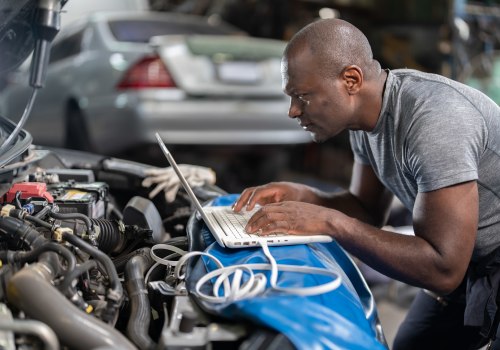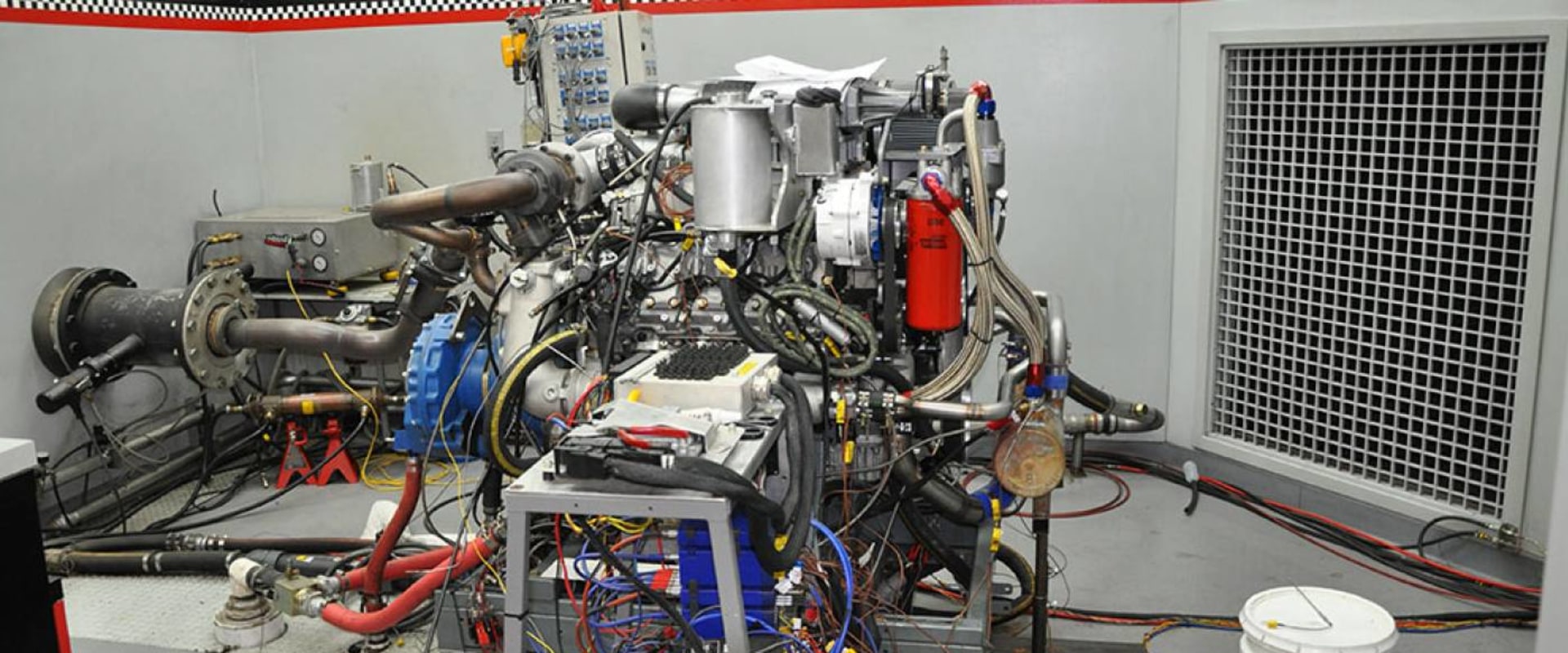
Engine tuning services are essential for any vehicle owner looking to enhance their car's performance, efficiency, and overall driving experience. At its core, engine tuning involves adjusting the engine's parameters to optimize its output, ensuring that it runs smoothly and efficiently. This process can include modifications to the fuel injection system, ignition timing, and air-fuel mixture, among other components. By fine-tuning these elements, drivers can achieve significant improvements in horsepower, torque, and fuel economy. The significance of engine tuning services extends beyond mere performance enhancements.
A well-tuned engine can lead to a more responsive driving experience, reduced emissions, and even prolonged engine life. Moreover, tuning can help identify potential issues before they escalate into costly repairs. For enthusiasts and everyday drivers alike, investing in professional tuning services can transform a standard vehicle into a high-performing machine tailored to individual driving preferences. As we delve deeper into the world of engine tuning, it becomes clear that one critical aspect often discussed is the necessity of a dyno test during the tuning process. Understanding how dyno testing complements engine tuning services will provide valuable insights into achieving optimal performance and reliability for your vehicle.
What is a Dyno Test?
A dyno test, short for dynamometer test, is a crucial procedure used to measure the power output and performance characteristics of an engine.This test provides valuable data that can significantly enhance the effectiveness of engine tuning services. By simulating real-world driving conditions, a dyno test allows tuners to assess how an engine performs under various loads and RPMs.The primary purpose of a dyno test is to quantify the engine's horsepower and torque, which are essential metrics for understanding its performance capabilities. This information helps tuners make informed adjustments to optimize engine performance, fuel efficiency, and overall drivability.
Types of Dyno Tests
- Engine Dyno: This type measures the engine's output while it is not installed in a vehicle. It provides precise data on horsepower and torque at different RPMs, allowing for detailed tuning.
- Chassis Dyno: Unlike the engine dyno, the chassis dyno tests the entire vehicle.
It measures how much power reaches the wheels, accounting for losses due to drivetrain components. This is particularly useful for tuning vehicles as it reflects real-world performance.
- Load Dyno: This variant applies a load to the engine during testing, simulating various driving conditions. It helps in understanding how the engine behaves under stress and can be critical for performance tuning.
Understanding the different types of dyno tests available can help vehicle owners make informed decisions about their tuning needs.
The Role of Dyno Testing in Engine Tuning
When it comes to engine tuning services, one of the most critical components is the dyno testing. This process involves measuring the engine's performance on a dynamometer, which provides invaluable data that can significantly enhance the tuning process.Benefits of Dyno Testing
- Accurate Performance Measurements: Dyno testing allows for precise measurements of horsepower and torque, enabling tuners to understand how the engine performs under various conditions.
- Real-Time Adjustments: With dyno testing, adjustments can be made in real-time. This means that tuners can see the immediate effects of changes to fuel maps, ignition timing, and other parameters.
- Identifying Issues: The data collected during a dyno test can help identify potential issues such as fuel delivery problems or ignition misfires, which can be addressed before they lead to more significant engine damage.
The Engine Tuning Process
The engine tuning process typically begins with a baseline dyno run to establish the current performance metrics. This initial run serves as a reference point for all subsequent adjustments.
After making changes based on the initial data, another dyno run is performed to evaluate the impact of those modifications.This iterative process not only helps in fine-tuning the engine but also ensures that it operates efficiently and reliably. By continuously comparing performance metrics before and after adjustments, tuners can achieve optimal results tailored to the specific needs of the vehicle.
How Dyno Testing Helps Tuning
Ultimately, dyno testing is an essential tool in the arsenal of any serious tuner. It provides a controlled environment where variables can be manipulated and measured accurately. This leads to a more effective tuning process, resulting in enhanced performance, better fuel efficiency, and improved overall engine health.In conclusion, while some may question the necessity of dyno testing during engine tuning services, its benefits are clear.
It not only aids in achieving precise performance goals but also ensures that modifications are safe and effective for long-term use.
When is Dyno Testing Necessary?
Understanding when to do a dyno test is crucial for anyone considering engine tuning services. While not every tuning session requires a dyno test, there are specific scenarios where it becomes essential.- After Major Modifications: If you've made significant changes to your engine, such as installing a new turbocharger or changing the exhaust system, a dyno test is necessary. These modifications can drastically alter engine performance, and a dyno will help you fine-tune the settings for optimal results.
- Performance Issues: If your vehicle is experiencing performance problems, such as poor acceleration or unusual engine noises, a dyno test can help diagnose the issue. It provides detailed data on how the engine is performing under load, allowing for targeted adjustments.
- Before Racing or Competitive Events: For those planning to participate in racing or other competitive events, a dyno test is vital.
It ensures that your engine is performing at its peak and helps you make any last-minute adjustments to maximize power and efficiency.
- To Validate Tuning Changes: After making tuning adjustments, running a dyno test can confirm whether those changes have had the desired effect. This validation process is essential for ensuring that your vehicle runs smoothly and efficiently.
Common Misconceptions About Dyno Testing
When it comes to engine tuning services, many car enthusiasts and owners often harbor misconceptions about the necessity and effectiveness of dyno testing.Understanding these myths is crucial for making informed decisions regarding your vehicle's performance.
- Myth 1: Dyno Testing is Only for High-Performance Vehicles
Many believe that only high-performance or racing vehicles require dyno testing. In reality, dyno testing can benefit any vehicle undergoing tuning, as it provides valuable data on engine performance, regardless of the car's intended use. - Myth 2: Dyno Tests are Always Accurate
While dyno tests are a powerful tool, they are not infallible. Factors such as environmental conditions, the type of dyno used, and even the operator's experience can affect results. It's essential to interpret dyno data with caution and consider it as part of a broader tuning strategy. - Myth 3: You Can Tune an Engine Without a Dyno
Some believe that engine tuning can be effectively done without a dyno.While it is possible to make adjustments based on feel or other methods, a dyno provides precise measurements that help ensure optimal performance and efficiency.
- Myth 4: Dyno Testing is Too Expensive
While there is a cost associated with dyno testing, many find that the investment pays off in terms of improved performance and fuel efficiency. Additionally, some tuning shops offer package deals that include dyno time as part of their services.
Cost Considerations for Dyno Testing in Engine Tuning Services
When considering engine tuning services, one of the most significant factors to evaluate is the cost associated with dyno testing. This process is crucial for optimizing your vehicle's performance, but it does come with its own set of expenses.Understanding Dyno Test Costs
The cost of a dyno test can vary widely based on several factors, including the type of dyno used, the location of the service, and the complexity of the tuning required.On average, you can expect to pay anywhere from $75 to $150 per hour for a dyno session. Some shops may offer package deals that include multiple runs or additional tuning services, which can provide better value.
Pricing for Engine Tuning Services
In addition to the dyno test itself, you should also factor in the overall pricing for engine tuning services. A complete tuning package that includes a dyno test may range from $300 to $1,000 , depending on your vehicle's make and model, as well as the specific modifications being made. It's essential to get a detailed quote from your service provider that outlines all costs involved.Cost of Dyno Testing: What to Expect
- Initial Setup Fee: Many shops charge a setup fee that can range from $50 to $100 .
- Hourly Rate: Expect to pay between $75 and $150 for each hour of dyno time.
- Tuning Adjustments: Additional adjustments during the session may incur extra charges.
- Final Report: Some services provide a detailed report of your vehicle's performance metrics, which may be included in the overall cost or charged separately.
Proper tuning ensures that you get the most out of your engine modifications and can lead to better fuel efficiency and increased power output.
FAQs About Dyno Testing and Engine Tuning Services
When considering engine tuning services, many car enthusiasts have questions about the necessity and benefits of a dyno test. Here are some frequently asked questions that can help clarify this important aspect of engine tuning.What is a dyno test?
A dyno test measures the power output of your engine by simulating real-world driving conditions. It provides crucial data on horsepower, torque, and engine performance, which are essential for effective tuning.Is a dyno test necessary for engine tuning?
While it is not strictly necessary to have a dyno test done during engine tuning services, it is highly recommended. A dyno test allows tuners to make precise adjustments based on actual performance data rather than estimates.This ensures that your vehicle runs optimally and safely.
What are the benefits of a dyno test?
- Accurate Performance Data: Dyno tests provide real-time feedback on how your engine performs under various conditions.
- Tuning Precision: With detailed data, tuners can make informed adjustments to fuel maps, ignition timing, and other parameters.
- Identifying Issues: A dyno test can reveal underlying problems such as misfires or fuel delivery issues that may not be apparent during regular driving.
How long does a dyno test take?
The duration of a dyno test can vary depending on the complexity of the vehicle and the specific tuning goals. Typically, a session can last anywhere from 1 to 3 hours, including setup and adjustments.Can I tune my engine without a dyno?
Yes, it is possible to tune an engine without a dyno; however, this method relies heavily on experience and guesswork. Without the precise data provided by a dyno, achieving optimal performance may be more challenging and less reliable.In summary, while you can technically perform engine tuning services without a dyno test, utilizing one significantly enhances the tuning process by providing valuable insights into your engine's performance. This leads to better results and a more enjoyable driving experience.Conclusion: The Value of Dyno Testing in Engine Tuning Services
In conclusion, the necessity of dyno testing during engine tuning services cannot be overstated.This process not only provides a comprehensive analysis of your engine's performance but also ensures that the adjustments made during tuning are effective and safe. By utilizing a dynamometer, tuners can accurately measure horsepower, torque, and other critical parameters, allowing for precise modifications that enhance overall vehicle performance.Moreover, dyno testing helps in identifying potential issues that may not be apparent through visual inspections alone. For instance, it can reveal problems such as fuel delivery inconsistencies or ignition timing errors that could lead to suboptimal performance or even engine damage if left unaddressed. By catching these issues early, you can save on costly repairs down the line.
- Enhanced Performance: Dyno testing allows for fine-tuning of your engine's parameters to achieve maximum efficiency and power output.
- Safety Assurance: It ensures that the modifications made do not push your engine beyond its safe operating limits.
- Data-Driven Decisions: The data collected during dyno runs provides valuable insights that can guide future tuning and modifications.
It not only optimizes your vehicle's performance but also enhances its longevity and reliability. Therefore, when considering engine tuning, make sure to prioritize services that offer comprehensive dyno testing as part of their package. This will ensure you get the most out of your investment and enjoy a driving experience that is both exhilarating and dependable.