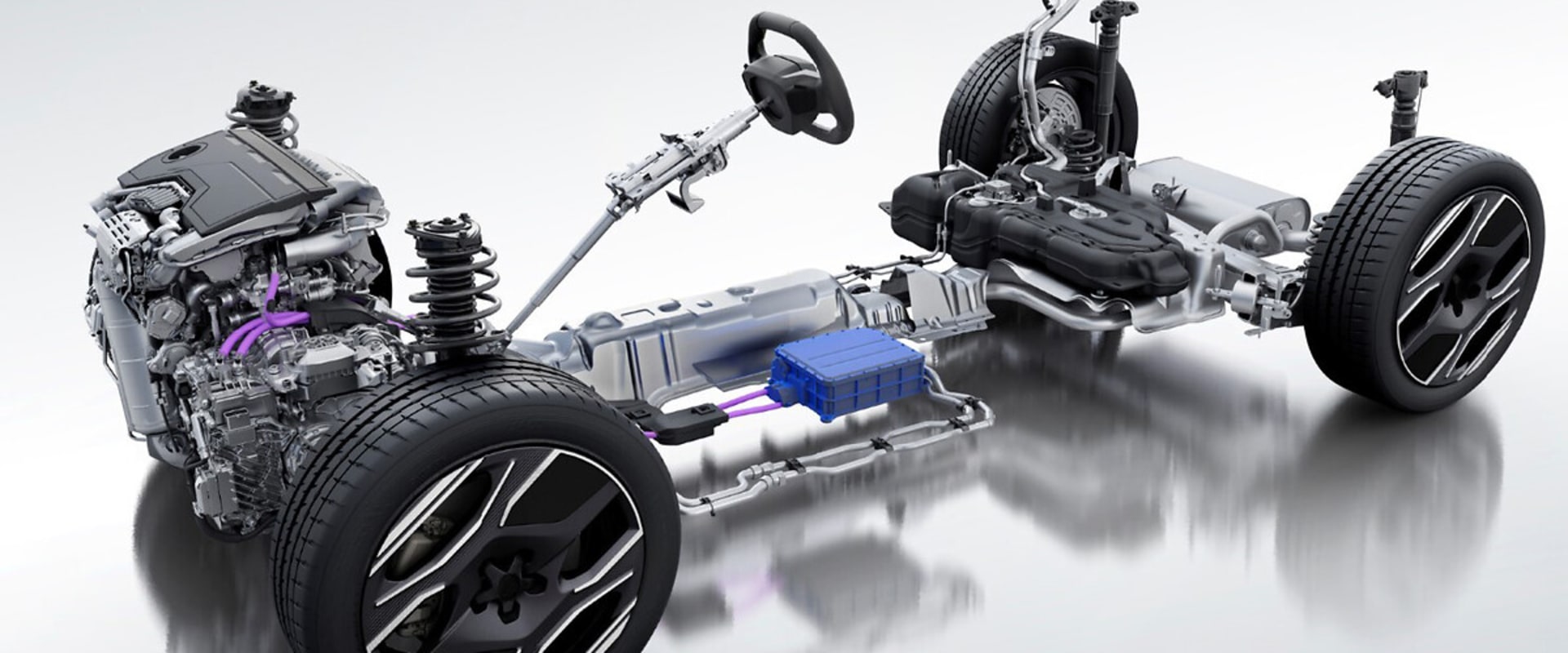
As the automotive industry evolves, the focus on hybrid and electric vehicles (EVs) has intensified, leading to a growing interest in engine tuning services. Unlike traditional gasoline engines, hybrids and EVs utilize a combination of electric motors and internal combustion engines, which presents unique challenges and opportunities for tuning. Understanding how to optimize these systems can significantly enhance performance, efficiency, and overall driving experience.Engine tuning in hybrid and electric vehicles is not just about increasing horsepower or torque; it involves fine-tuning the intricate balance between the electric motor and the combustion engine. This process can lead to improved acceleration, better energy management, and even extended battery life.
As more drivers seek to maximize their vehicle's potential, the demand for specialized hybrid vehicle tuning and electric vehicle tuning services is on the rise.However, tuning these advanced systems requires a deep understanding of their technology. Unlike conventional vehicles, where modifications might be straightforward, hybrids and EVs often rely on complex software algorithms that govern performance. This complexity means that effective tuning must be approached with caution and expertise. In this article, we will explore the various aspects of engine tuning for hybrid and electric vehicles, including the benefits, challenges, and available services that can help drivers unlock their vehicle's full potential.
What is Engine Tuning?
Engine tuning refers to the process of modifying a vehicle's engine to enhance its performance, efficiency, or both.This can involve adjustments to various components and systems within the engine, aiming to optimize its operation according to the driver's needs or preferences.The primary purpose of engine tuning is to improve the vehicle's overall performance. This can include increasing horsepower, improving fuel efficiency, or enhancing throttle response. By fine-tuning the engine's parameters, drivers can achieve a more responsive and enjoyable driving experience.
Types of Engine Tuning
- ECU Remapping: This involves altering the software in the engine control unit (ECU) to change how the engine operates. It can lead to significant performance gains by optimizing fuel maps and ignition timing.
- Performance Chips: These are aftermarket devices that can be installed to modify the ECU settings without needing a complete remap.
They often provide a quick and easy way to enhance performance.
- Mechanical Modifications: This type of tuning includes physical changes to the engine components, such as upgrading the exhaust system, installing a high-performance air intake, or changing turbochargers. These modifications can lead to substantial improvements in power output.
- Dyno Tuning: Utilizing a dynamometer, this method measures the engine's output and allows for precise adjustments based on real-time data. It ensures that all modifications are optimized for maximum performance.
The Differences Between Traditional and Hybrid/Electric Vehicle Engines
Understanding the differences between traditional internal combustion engines and hybrid or electric vehicle engines is crucial for anyone considering engine tuning services.Traditional engines rely on the combustion of fuel to generate power, while hybrid and electric engines utilize a combination of electric motors and batteries, often supplemented by a gasoline engine in hybrids.
Key Differences:
- Power Source: Traditional engines operate solely on gasoline or diesel, whereas hybrid vehicles use both an internal combustion engine and an electric motor. Electric vehicles (EVs) depend entirely on electric power stored in batteries.
- Efficiency: Hybrid and electric engines are generally more efficient than traditional engines. They convert a higher percentage of energy from fuel or electricity into usable power, leading to lower emissions and better fuel economy.
- Maintenance: The maintenance requirements differ significantly. Traditional engines require regular oil changes and have more moving parts that can wear out.
In contrast, hybrid and electric engines have fewer moving parts, which can lead to lower maintenance costs over time.
- Tuning Methods: Tuning a traditional engine often involves modifications to the air intake, exhaust systems, and engine mapping. For hybrid and electric vehicles, tuning focuses more on software adjustments to optimize battery performance and energy management systems rather than physical modifications.
Understanding these differences is essential for vehicle owners looking to enhance performance through tuning services.
Can You Tune a Hybrid Vehicle's Engine?
Tuning a hybrid vehicle's engine is a topic that has gained traction among automotive enthusiasts and eco-conscious drivers alike. While traditional gasoline engines have long been the focus of tuning services, hybrid engine tuning services are emerging as a viable option for those looking to enhance their vehicle's performance.Feasibility of Tuning Hybrid Vehicles
Hybrid vehicles combine an internal combustion engine with an electric motor, which complicates the tuning process. Unlike conventional engines, hybrids rely on sophisticated software to manage power distribution between the gas engine and electric motor. This means that any tuning must consider both components to achieve optimal performance.
Available Tuning Services
- ECU Remapping: Many hybrid vehicles have their Engine Control Unit (ECU) software modified to improve throttle response and overall efficiency.
- Performance Chips: Some aftermarket chips can be installed to enhance power output and fuel efficiency.
- Exhaust Upgrades: Upgrading the exhaust system can improve airflow, which may lead to better performance.
- Suspension and Brake Enhancements: While not directly related to the engine, these upgrades can significantly improve handling and overall driving experience.
Benefits of Hybrid Engine Tuning
- Improved Performance: Tuning can lead to increased horsepower and torque, making the vehicle more responsive.
- Enhanced Fuel Efficiency: Proper tuning can optimize fuel consumption, allowing for longer trips on less fuel.
- Personalized Driving Experience: Drivers can tailor their vehicle's performance characteristics to match their preferences.
Potential Drawbacks
- Warranty Concerns: Modifying a hybrid vehicle may void manufacturer warranties, so it's essential to consider this before proceeding.
- Complexity of Systems: The intricate nature of hybrid systems means that improper tuning could lead to performance issues or even damage.
Engaging with reputable hybrid performance upgrades providers can help ensure that modifications enhance your driving experience without compromising reliability or efficiency.
Can You Tune an Electric Vehicle's Engine?
Tuning an electric vehicle (EV) is a topic that has gained traction as the popularity of these vehicles continues to rise. Unlike traditional internal combustion engines, electric engines operate differently, which influences the tuning process.One of the primary methods for enhancing EV performance is through software modifications. Many manufacturers provide software updates that can improve efficiency and responsiveness. These updates can optimize battery management systems, enhance regenerative braking, and adjust power delivery to improve acceleration.However, it’s essential to note that not all manufacturers allow third-party software tuning, which can limit options for some EV owners.
Limitations of Tuning Electric Vehicles
While there are opportunities for performance enhancements, there are also significant limitations:- Warranty Concerns: Modifying software or hardware can void warranties, making it crucial for owners to consider the long-term implications.
- Battery Constraints: The battery is a critical component of an EV's performance. Over-tuning can lead to overheating or reduced lifespan.
- Regulatory Issues: Some regions have strict regulations regarding vehicle modifications, which can affect the legality of tuning services.
Potential Performance Enhancements
Despite these limitations, there are several avenues for enhancing EV performance:- Aftermarket Tuning Services: Some companies specialize in electric engine tuning services, offering tailored solutions that can boost power output and efficiency.
- Hardware Upgrades: Upgrading components such as the battery management system or installing high-performance tires can significantly impact handling and acceleration.
- Weight Reduction: Reducing the overall weight of the vehicle through lightweight materials can enhance performance without altering the engine itself.
Engine Tuning Services Available for Hybrid and Electric Vehicles
As the automotive industry evolves, engine tuning services for hybrid and electric vehicles (EVs) have become increasingly popular. These services aim to enhance performance, efficiency, and overall driving experience without compromising the unique characteristics of these advanced powertrains.Aftermarket Tuning Options
- Performance Chips: Many aftermarket companies offer performance chips specifically designed for hybrids and EVs.
These chips can optimize battery management systems and improve throttle response.
- Software Upgrades: Custom software tuning can adjust various parameters in the vehicle's control systems, allowing for improved acceleration and energy efficiency.
- Battery Management Systems: Upgrading or tuning the battery management system can enhance battery life and performance, providing better range and quicker charging times.
Manufacturer Offerings
- Tuning Packages: Some manufacturers offer official tuning packages that can be installed at dealerships. These packages are designed to maintain warranty coverage while enhancing performance.
- Performance Modes: Many modern hybrids and EVs come with built-in performance modes that can be activated through software updates, allowing drivers to experience a sportier driving style.
Considerations for Tuning
When considering engine tuning services, it's essential to keep in mind the potential impact on warranty and vehicle longevity. Always consult with professionals who specialize in hybrid and electric vehicles to ensure that any modifications are safe and effective.In conclusion, while traditional engine tuning may not apply directly to hybrids and EVs, there are numerous specialized options available that can significantly enhance performance and efficiency. Whether opting for aftermarket solutions or manufacturer-approved upgrades, drivers can enjoy a more dynamic driving experience tailored to their needs.
Benefits of Engine Tuning for Hybrid and Electric Vehicles
Tuning a hybrid or electric vehicle's engine can yield significant benefits that enhance both performance and efficiency.While traditional vehicles have long been associated with tuning, advancements in technology have made it increasingly viable for hybrid and electric models as well.
Performance Improvements from Tuning
- Increased Power Output: Engine tuning services can optimize the power delivery of hybrid and electric vehicles, resulting in quicker acceleration and a more responsive driving experience.
- Smoother Operation: By fine-tuning the engine management system, drivers can enjoy a more seamless transition between electric and gasoline power, enhancing overall drivability.
- Enhanced Torque: Tuning can improve torque delivery, making it easier to navigate steep inclines or heavy loads without compromising performance.
Fuel Efficiency Gains from Tuning
- Optimized Energy Use: Tuning can help maximize the efficiency of energy consumption, allowing hybrid vehicles to utilize their electric motors more effectively.
- Improved Regenerative Braking: Adjustments to the tuning can enhance regenerative braking systems, allowing for better energy recovery during deceleration.
- Tailored Driving Modes: Many tuning services offer customizable driving modes that prioritize fuel efficiency, enabling drivers to select settings that best suit their needs.
Risks and Considerations When Tuning Hybrid or Electric Vehicles
Tuning a hybrid or electric vehicle (EV) can offer performance enhancements, but it also comes with significant risks and considerations that potential modifiers should carefully evaluate.Warranty Concerns
One of the primary risks associated with tuning hybrids and EVs is the potential voiding of the manufacturer’s warranty. Most manufacturers explicitly state that any modifications made to the vehicle's engine or electronic systems can lead to warranty claims being denied.This means that if a tuned vehicle experiences a failure, the owner may be responsible for all repair costs.
Potential Damage to Components
Tuning can also lead to unintended damage to critical components. For instance, increasing power output may stress the electric motor or battery beyond their designed limits, leading to premature wear or catastrophic failure. Additionally, modifications that alter the vehicle's software can disrupt the delicate balance of systems that manage energy efficiency and thermal regulation.Legal Implications
Another consideration is the legal implications of tuning. In some regions, modifications that affect emissions or noise levels can lead to fines or penalties.Owners should be aware of local regulations regarding vehicle modifications to avoid legal issues.
Insurance Considerations
Lastly, tuning a hybrid or electric vehicle may impact insurance coverage. Some insurance companies may increase premiums for modified vehicles or refuse coverage altogether. It’s essential for owners to consult with their insurance provider before proceeding with any tuning services.In summary, while engine tuning services can enhance performance in hybrids and EVs, they come with risks that include warranty voidance, potential damage to components, legal ramifications, and insurance complications. Careful consideration and thorough research are crucial before making any modifications.Frequently Asked Questions About Engine Tuning for Hybrids and EVs
When it comes to engine tuning services for hybrid and electric vehicles (EVs), many car enthusiasts have questions.Here are some of the most frequently asked questions that can help clarify the topic.
Can you tune a hybrid vehicle?
Yes, you can tune a hybrid vehicle, but the process is different from traditional gasoline engines. Hybrid vehicles combine an internal combustion engine with an electric motor, which means tuning must consider both systems.Engine tuning services
for hybrids often focus on optimizing fuel efficiency and enhancing performance without compromising the electric motor's functionality.What about tuning electric vehicles?
Tuning an electric vehicle is less about modifying the engine and more about adjusting software parameters. Many EVs have built-in software that controls power delivery and battery management.Engine tuning services for EVs may involve reprogramming the vehicle's software to improve acceleration, increase range, or enhance regenerative braking capabilities.
Are there any myths about engine tuning for hybrids and EVs?
- Myth 1: Tuning will void my warranty. This is not always true. Many manufacturers allow for certain modifications without voiding warranties, but it's essential to check specific terms.
- Myth 2: Tuning is only for performance cars. Tuning can benefit any vehicle, including hybrids and EVs, by improving efficiency and driving experience.
- Myth 3: All tuning services are the same. This is false; different vehicles require specialized tuning approaches.
Conclusion: The Future of Engine Tuning in Hybrid and Electric Vehicles
As we look towards the future of engine tuning services for hybrid and electric vehicles, it is clear that the landscape is evolving rapidly.The traditional methods of tuning internal combustion engines are being redefined as manufacturers and enthusiasts alike explore the unique characteristics of electric drivetrains.One of the most significant trends is the increasing integration of software-based tuning solutions. Unlike conventional engines, which rely heavily on mechanical adjustments, hybrid and electric vehicles can be optimized through software updates that enhance performance, efficiency, and driving experience. This shift not only allows for more precise tuning but also enables manufacturers to offer updates that can be easily implemented by the end-user.
Emerging Technologies
With advancements in technology, we are witnessing the rise of adaptive tuning systems. These systems utilize real-time data to adjust vehicle performance based on driving conditions and driver behavior.This level of customization was previously unattainable in traditional vehicles, marking a significant leap forward in how we approach engine tuning.
- Performance Enhancements: Future tuning services may focus on maximizing torque delivery and optimizing battery usage for improved acceleration.
- Efficiency Improvements: Tuning could also aim to extend battery life and range through smarter energy management systems.
- Personalization: Drivers may have the ability to select different performance profiles tailored to their preferences, enhancing the overall driving experience.