Engine tuning services are essential for any vehicle owner looking to optimize their car's performance and efficiency. These services involve adjusting various parameters of the engine to enhance its power output, fuel efficiency, and overall drivability. Whether you drive a high-performance sports car or a daily commuter, engine tuning can significantly impact your vehicle's responsiveness and longevity. Understanding how long engine tuning takes is crucial for anyone considering these services. The duration can vary based on several factors, including the type of tuning being performed, the specific vehicle model, and the expertise of the technician.
Generally, basic tuning can be completed in a few hours, while more complex adjustments may require a full day or even longer. This time investment is often outweighed by the benefits gained, such as improved acceleration, better fuel economy, and a more enjoyable driving experience. Moreover, the significance of engine tuning services extends beyond mere performance enhancements. Regular tuning can help identify potential issues before they escalate into costly repairs, ensuring that your engine runs smoothly for years to come. As you delve deeper into this topic, you'll discover not only how long these services take but also how they can transform your driving experience.
Factors Influencing Engine Tuning Duration
When considering engine tuning services, it's essential to understand that the duration of the tuning process can vary significantly based on several factors.Here are some key elements that influence how long engine tuning takes:
- Vehicle Type: Different vehicles have varying levels of complexity in their engine systems. For instance, a standard sedan may require less time for tuning compared to a high-performance sports car, which often has more intricate components and systems that need adjustment.
- Tuning Complexity: The specific type of tuning being performed plays a crucial role in determining the duration. Basic adjustments, such as reprogramming the engine control unit (ECU), may take only a few hours. In contrast, more complex modifications, like adding aftermarket parts or custom mapping, can extend the process to several days.
- Technician Experience: The skill level and experience of the technician performing the tuning can greatly affect the time required.
A seasoned professional with extensive knowledge of specific vehicle models will likely complete the job more efficiently than someone who is less experienced.
- Tools and Equipment: The availability and quality of diagnostic tools and tuning equipment can also impact the duration. Advanced tools can streamline the tuning process, allowing for quicker diagnostics and adjustments.
- Additional Modifications: If your vehicle requires additional modifications alongside tuning, such as exhaust upgrades or intake enhancements, this will naturally extend the overall time needed for completion.
Types of Engine Tuning Services
When considering engine tuning services, it's essential to understand the various types available, as each can significantly impact the time required for the tuning process. The two primary categories of engine tuning are performance tuning and economy tuning.Performance Tuning
Performance tuning focuses on enhancing the power and efficiency of an engine.This type of tuning often involves modifications such as:
- ECU remapping: Adjusting the engine control unit settings to optimize performance.
- Upgraded exhaust systems: Improving exhaust flow to increase horsepower.
- Cold air intakes: Allowing cooler air into the engine for better combustion.
- Turbos and superchargers: Adding forced induction to significantly boost power output.
Economy Tuning
Economy tuning, on the other hand, aims to improve fuel efficiency without sacrificing too much power. This service is ideal for drivers looking to save on fuel costs while maintaining a reliable driving experience. Common practices in economy tuning include:- ECU optimization: Fine-tuning settings for better fuel consumption.
- Lightweight components: Replacing heavy parts with lighter alternatives to reduce load.
- Tire pressure adjustments: Ensuring optimal tire pressure for improved mileage.
Typical Timeframes for Engine Tuning Services
When considering engine tuning services, understanding the typical timeframes involved can help you plan your vehicle's maintenance schedule effectively. The duration of engine tuning can vary significantly based on several factors, including the type of tuning being performed, the complexity of the vehicle's engine, and the specific goals of the tuning process.Average Time for Different Tuning Services
- Basic ECU Remapping: This is one of the quickest tuning services, often taking between 1 to 2 hours.
It involves reprogramming the engine control unit (ECU) to optimize performance without extensive modifications.
- Performance Chip Installation: Installing a performance chip can take around 2 to 3 hours. This process includes removing the ECU, installing the chip, and ensuring everything is calibrated correctly.
- Dyno Tuning: A more comprehensive service, dyno tuning typically requires 2 to 4 hours. This involves running the vehicle on a dynamometer to measure performance metrics and make precise adjustments.
- Custom Tuning: For those seeking tailored solutions, custom tuning can take anywhere from 4 to 8 hours or more. This process is highly detailed and may involve multiple runs on a dyno to achieve optimal results.
Additionally, if your vehicle requires any repairs or modifications before tuning, this could extend the overall duration of the service.In summary, while basic engine tuning services can be completed relatively quickly, more complex tuning processes will require additional time. Always consult with your tuning specialist to get a more accurate estimate based on your vehicle's needs.
Step-by-Step Process of Engine Tuning
Understanding the engine tuning process is essential for car enthusiasts and everyday drivers alike. The process typically involves several key steps, each contributing to the overall performance enhancement of your vehicle. Below, we break down the steps in engine tuning and what you can expect during each phase.- Initial Assessment: The first step involves a thorough inspection of your vehicle's current performance metrics.
This may take about 30 minutes to an hour, depending on the complexity of the engine and the tools used.
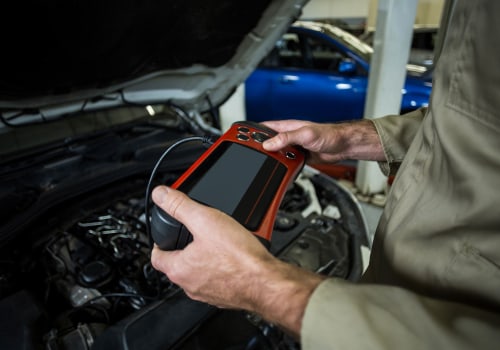
- Data Collection: Technicians will connect diagnostic tools to gather data on various engine parameters such as air-fuel ratio, ignition timing, and boost levels. This step usually takes around 1 to 2 hours.
- Tuning Software Setup: After data collection, the technician will set up the tuning software. This involves inputting the collected data and configuring it for optimal performance. Expect this to take approximately 1 hour.
- Adjustments and Calibration: The core of the engine tuning services involves making adjustments based on the data analysis.
This can include modifying fuel maps, ignition timing, and other parameters. This step can take anywhere from 2 to 4 hours, depending on the desired outcomes and complexity of adjustments.
- Testing: Once adjustments are made, a series of tests are conducted to ensure that everything is functioning correctly. This includes road testing and further diagnostics, which may take an additional 1 to 2 hours.
- Final Review: The last step involves a final review of all changes made and ensuring that the vehicle meets performance expectations. This can take about 30 minutes.
Understanding these steps not only helps you prepare for your visit but also allows you to appreciate the intricacies involved in enhancing your vehicle's performance.
Common Myths About Engine Tuning Duration
When it comes to engine tuning services, there are several myths and misconceptions that can lead to confusion about how long the process actually takes. Understanding these myths can help potential customers set realistic expectations.Myth 1: Engine Tuning is a Quick Fix
One common misconception is that engine tuning is a quick fix that can be completed in under an hour. While some basic adjustments may take a short time, comprehensive tuning often involves detailed diagnostics, adjustments, and testing, which can take several hours or even days depending on the vehicle and the extent of modifications needed.Myth 2: All Tuning Services Take the Same Amount of Time
Another myth is that all engine tuning services have a standard duration. In reality, the time required for tuning can vary significantly based on factors such as:- The type of vehicle
- The specific tuning goals (e.g., performance enhancement vs.
fuel efficiency)
- The complexity of the engine modifications
- The experience level of the technician
Myth 3: You Can Tune Your Engine in a Single Session
Many people believe that they can achieve optimal results in just one tuning session. However, effective engine tuning often requires multiple sessions to fine-tune settings based on real-world performance data. This iterative process ensures that the engine runs smoothly and efficiently.Myth 4: Tuning Time is Just About the Mechanics
Some assume that the time taken for engine tuning services is solely dependent on mechanical work. In fact, it also includes time spent on diagnostics, software updates, and testing.Each of these components plays a crucial role in achieving the desired performance.By debunking these myths, potential customers can better understand what to expect from their engine tuning services. It’s essential to consult with professionals who can provide accurate estimates based on individual needs and vehicle specifications.
Real-Life Examples of Engine Tuning Timeframes
Understanding the time it takes for engine tuning services can be greatly enhanced by examining real-life examples. Here are a few case studies that illustrate the varying durations of engine tuning based on different vehicles and tuning objectives.Case Study 1: Performance Tuning on a Sports Car
A customer brought in a 2020 Ford Mustang GT for performance tuning. The goal was to increase horsepower and improve throttle response.The tuning process involved a complete ECU remap and installation of a cold air intake system. This comprehensive tuning took approximately 4 hours. The customer reported noticeable improvements in acceleration and overall driving experience.
Case Study 2: Fuel Efficiency Tuning on a Family Sedan
Another example involved a 2018 Honda Accord, where the owner sought to enhance fuel efficiency. The tuning service included adjusting the air-fuel mixture and optimizing ignition timing.This process was less intensive than performance tuning and took around 2 hours. Post-tuning, the owner experienced an increase in miles per gallon, making it a worthwhile investment.
Case Study 3: Custom Tuning for a Modified Truck
A customer with a heavily modified 2015 Chevrolet Silverado required custom tuning to accommodate new exhaust and turbocharger systems. This complex setup necessitated extensive data logging and adjustments, resulting in a tuning duration of about 6 hours. The owner was thrilled with the enhanced power delivery and improved towing capacity.Customer Experiences
- Quick Turnaround: Many customers appreciate that basic tunes can often be completed within 1 to 2 hours, especially for stock vehicles.
- Complex Modifications: For those with extensive modifications, it’s essential to allocate more time, often between 4 to 8 hours, depending on the complexity.
- Follow-Up Adjustments: Some customers may return for follow-up adjustments after initial tuning, which can take an additional 1 hour.
Understanding these factors can help potential customers set realistic expectations when considering engine tuning for their vehicles.
Choosing the Right Engine Tuning Service Provider
When it comes to engine tuning services, selecting the right provider is crucial for achieving optimal performance and reliability. Here are some key factors to consider when choosing an engine tuner:- Experience and Expertise: Look for a service provider with a proven track record in engine tuning. Experienced tuners are more likely to understand the intricacies of different engine types and can tailor their services to meet your specific needs.
- Customer Reviews: Check online reviews and testimonials from previous clients. Positive feedback can indicate a reliable service, while negative reviews may highlight potential issues.
Websites like Yelp or Google Reviews can provide valuable insights.
- Certifications: Ensure that the tuning service has the necessary certifications and qualifications. This not only reflects their professionalism but also their commitment to adhering to industry standards.
- Services Offered: Different tuners may specialize in various aspects of engine tuning, such as performance upgrades, fuel efficiency improvements, or emissions compliance. Choose a provider that offers the specific services you need.
- Equipment and Technology: The quality of tools and technology used in the tuning process can significantly impact results. Inquire about the equipment they use and whether they stay updated with the latest advancements in tuning technology.
- Timeframes: Discuss expected timeframes for the tuning process upfront.
A reputable tuner should provide a reasonable estimate based on your vehicle's requirements and their workload.
Conclusion: Key Takeaways on Engine Tuning Duration
In summary, understanding the duration of engine tuning services is crucial for vehicle owners looking to enhance their car's performance. The time it takes for engine tuning can vary significantly based on several factors.Factors Influencing Tuning Duration
- Type of Tuning: Basic adjustments may take just a few hours, while comprehensive remapping or performance upgrades can extend to a full day or more.
- Vehicle Make and Model: Different vehicles have varying complexities in their engine systems, which can affect the time required for tuning.
- Technician Expertise: Experienced technicians may complete the tuning process more efficiently than those with less experience.
- Tools and Technology: Advanced diagnostic tools can streamline the tuning process, reducing the overall time needed.
Before scheduling your engine tuning services, be sure to discuss expected timelines with your technician to set realistic expectations.