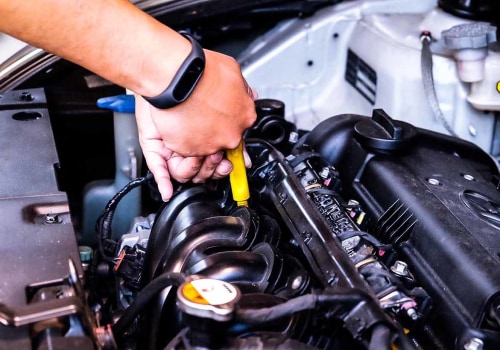
Engine tuning is a critical process that involves adjusting and optimizing the performance of an engine to achieve better efficiency, power, and overall functionality. This intricate procedure can significantly enhance your vehicle's performance, making it more responsive and enjoyable to drive. Whether you are a car enthusiast looking to maximize your vehicle's potential or simply seeking to improve fuel efficiency, understanding engine tuning services is essential. The primary goal of engine tuning is to fine-tune various engine parameters, such as air-fuel mixture, ignition timing, and valve timing. By doing so, you can unlock hidden power and improve throttle response.
Additionally, proper tuning can lead to better fuel economy, reduced emissions, and a smoother driving experience. With the right adjustments, even a stock engine can perform at levels that rival high-performance models. However, achieving optimal results from engine tuning requires a deep understanding of the engine's mechanics and the specific needs of your vehicle. Many car owners may overlook this complexity, leading to common mistakes that can hinder performance rather than enhance it. In the following sections, we will explore these pitfalls in detail, ensuring that you are well-equipped to make informed decisions about your engine tuning journey.
Mistake #1: Ignoring Manufacturer Specifications
When it comes to engine tuning services, one of the most critical mistakes that enthusiasts and professionals alike can make is ignoring the manufacturer specifications.These specifications are not arbitrary; they are the result of extensive research and development aimed at optimizing engine performance, efficiency, and longevity.
Understanding Manufacturer Specifications
- Performance Parameters: Each engine is designed with specific performance parameters in mind, including air-fuel ratios, ignition timing, and boost levels. Deviating from these can lead to suboptimal performance.
- Component Compatibility: Manufacturer specifications ensure that all components work harmoniously. Ignoring these can result in mismatched parts that may cause mechanical failures.
- Warranty Considerations: Many manufacturers stipulate that modifications must adhere to their guidelines to maintain warranty coverage. Ignoring these can void warranties, leading to costly repairs.
The Risks of Ignoring Specifications
When tuning an engine without regard for manufacturer specifications, several risks arise:
- Performance Issues: Engines tuned outside of their specified parameters may experience reduced power output, poor fuel economy, and increased emissions.
- Engine Damage: Over-tuning or incorrect adjustments can lead to severe engine damage, including knocking, overheating, or even catastrophic failure.
- Increased Maintenance Costs: Frequent repairs due to improper tuning can lead to significantly higher maintenance costs over time.
By respecting these guidelines, you not only ensure optimal performance but also protect your investment in your vehicle. Always consult with a qualified professional who understands the importance of these specifications before proceeding with any tuning modifications.
Mistake #2: Overlooking the Importance of Quality Parts
When it comes to engine tuning services, one of the most critical mistakes that enthusiasts and professionals alike can make is overlooking the importance of using quality parts. The components you choose for your engine can significantly impact not only performance but also the overall reliability and longevity of your vehicle.Using subpar or cheap aftermarket parts may seem like a cost-effective solution initially, but the long-term consequences can be detrimental. Here are some reasons why investing in high-quality parts is essential:- Performance: Quality parts are designed to work seamlessly with your engine's specifications.
They provide better airflow, fuel delivery, and combustion efficiency, which translates to improved horsepower and torque.
- Durability: High-quality components are often made from superior materials that can withstand the rigors of high-performance driving. This durability reduces the likelihood of failures that can lead to costly repairs.
- Compatibility: When tuning an engine, it's crucial that all parts work together harmoniously. Quality aftermarket parts are typically engineered to fit well with OEM components, ensuring optimal performance.
- Warranty and Support: Reputable manufacturers often back their products with warranties and customer support. This assurance can save you time and money in the event of a malfunction.
For instance, a low-quality fuel injector may not deliver the right amount of fuel, leading to an imbalanced air-fuel mixture that can cause knocking or misfires.Ultimately, when considering engine tuning services, it’s vital to prioritize quality over cost. Investing in high-quality aftermarket parts not only enhances your vehicle's performance but also ensures that your tuning efforts yield lasting results. Remember, a well-tuned engine is only as good as the parts that make it run.
Mistake #3: Failing to Tune for Specific Driving Conditions
When it comes to engine tuning services, one of the most critical mistakes is failing to customize the tune based on specific driving conditions. Each vehicle operates differently depending on how and where it is driven, and a one-size-fits-all approach can lead to suboptimal performance.For instance, a car that is primarily used for daily driving will have different tuning needs compared to one that is frequently taken to the racetrack.Here are some key considerations:
- Daily Driving: For everyday use, the focus should be on fuel efficiency, smooth acceleration, and reliability. Tuning for these conditions often involves optimizing the air-fuel mixture and ignition timing to ensure a comfortable driving experience.
- Performance Tuning: If your vehicle is intended for racing or high-performance applications, the tuning must prioritize power output and throttle response. This may involve adjusting boost levels, modifying fuel maps, and enhancing exhaust flow.
- Environmental Factors: Consideration of local climate and altitude is also essential. For example, vehicles driven in high-altitude areas may require different tuning parameters due to thinner air affecting engine performance.
- Poor Performance: A tune that doesn’t match driving conditions can result in sluggish acceleration or excessive fuel consumption.
- Increased Wear and Tear: An improperly tuned engine may experience undue stress, leading to premature wear of components.
- Safety Risks: Inadequate tuning can compromise vehicle handling and braking performance, especially in high-stress situations like racing.
Always consult with a professional tuner who understands the nuances of your driving style and environment to ensure your engine is tuned correctly.
Mistake #4: Neglecting Regular Maintenance Post-Tuning
After investing time and resources into engine tuning services, many car owners make the critical mistake of neglecting regular maintenance. This oversight can lead to a host of long-term issues that not only diminish the performance gains achieved through tuning but can also result in costly repairs down the line.Once your engine has been tuned, it operates under different parameters than it did before. This means that the components may experience increased stress and wear. Regular maintenance becomes essential to ensure that everything continues to function optimally.Here are some key aspects to consider:
- Oil Changes: Tuning can change the way your engine consumes oil. Frequent oil changes are crucial to keep the engine lubricated and prevent damage.
- Fluid Checks: Regularly check coolant, transmission fluid, and brake fluid levels. Tuning may affect how these fluids perform under new conditions.
- Filter Replacements: Air and fuel filters should be replaced more often after tuning, as they can become clogged more quickly due to increased performance demands.
- Inspection of Components: Regularly inspect belts, hoses, and other components for signs of wear or damage. Tuning can put additional strain on these parts.
Keeping an eye on parameters such as fuel efficiency, exhaust emissions, and engine temperature can help identify potential issues before they escalate into serious problems.In summary, neglecting regular maintenance after engine tuning can lead to diminished performance and increased repair costs. By committing to a proactive maintenance schedule, you can ensure that your tuned engine continues to deliver the power and efficiency you expect.
Mistake #5: Skipping Professional Help
When it comes to engine tuning services, one of the most significant mistakes car enthusiasts make is attempting to handle the tuning process themselves. While the allure of DIY tuning can be strong, the risks associated with it often outweigh the benefits.Understanding the Complexity
- Engine tuning is not just about adjusting a few settings; it involves a deep understanding of engine mechanics, electronics, and performance dynamics. Without this knowledge, even minor adjustments can lead to major issues.
- Many DIY tuners lack access to advanced diagnostic tools and software that professional tuners use to analyze engine performance accurately.
The Risks of DIY Tuning
- Improper adjustments can lead to engine knocking, overheating, or even catastrophic engine failure.
These outcomes can be costly and time-consuming to repair.
- DIY tuning often voids manufacturer warranties, leaving car owners responsible for any repairs that may arise from tuning errors.
- Inadequate tuning can also result in poor fuel efficiency and increased emissions, which not only affects performance but can also lead to legal issues in regions with strict emissions regulations.
The Value of Professional Help
Seeking professional engine tuning services ensures that your vehicle is in the hands of experts who understand the intricacies of your specific engine model. Expert tuners bring years of experience and specialized knowledge, allowing them to:
- Utilize advanced tools and software for precise tuning.
- Identify potential issues before they become serious problems.
- Provide tailored solutions that enhance performance while maintaining reliability.
Common FAQs About Engine Tuning Mistakes
When it comes to engine tuning services, many car enthusiasts and professionals alike often have questions about the common mistakes that can occur during the tuning process. Here are some frequently asked questions that can help clarify these issues:What are the most common mistakes made during engine tuning?
- Ignoring Manufacturer Specifications: One of the biggest mistakes is not adhering to the manufacturer’s specifications.
Each engine has specific requirements, and deviating from these can lead to performance issues.
- Overlooking Fuel Quality: Using low-quality fuel can significantly affect engine performance. It’s essential to use fuel that meets the engine's needs for optimal tuning results.
- Neglecting Regular Maintenance: Failing to perform regular maintenance, such as oil changes and filter replacements, can hinder the effectiveness of tuning efforts.
- Improper Use of Tuning Software: Many tuners rely on software to adjust settings. However, improper use or misunderstanding of this software can lead to incorrect adjustments.
How can I avoid these mistakes?
- Consult Professionals: Always consider seeking help from experienced professionals who specialize in engine tuning services. Their expertise can prevent costly errors.
- Do Your Research: Educate yourself about your specific engine model and its tuning requirements.
Knowledge is key to avoiding common pitfalls.
- Test and Monitor: After tuning, it’s crucial to test the vehicle under various conditions and monitor performance metrics to ensure everything is functioning as intended.
Conclusion: Key Takeaways on Engine Tuning Mistakes
In conclusion, understanding the common mistakes made during engine tuning services is crucial for achieving optimal performance and longevity of your vehicle. By avoiding these pitfalls, you can ensure that your engine operates efficiently and effectively.Key Mistakes to Avoid
- Neglecting Proper Research: Before engaging in any tuning service, it’s essential to research the specific needs of your engine. Each engine has unique characteristics that require tailored tuning solutions.
- Ignoring Manufacturer Specifications: Deviating from the manufacturer’s guidelines can lead to significant issues. Always refer to the recommended settings for your specific engine model.
- Overlooking Quality Parts: Using subpar or incompatible parts can compromise the tuning process.
Invest in high-quality components that are designed for your engine.
- Skipping Professional Help: While DIY tuning may seem appealing, it often leads to mistakes that can be costly. Seeking professional engine tuning services ensures that experienced technicians handle the job.
- Failing to Test After Tuning: After completing the tuning process, it’s vital to conduct thorough testing. This step helps identify any issues that may arise and allows for adjustments to be made promptly.