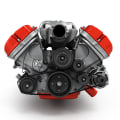
Maintaining a vehicle's long-term reliability requires a combination of proper engine tuning, preventive maintenance, and consistent exterior care. Although modern automobiles are engineered for durability, everyday driving exposes their components to mechanical stress, temperature fluctuations, and environmental contaminants. Without appropriate maintenance, these factors can gradually affect performance, fuel efficiency, and overall vehicle condition. Engine tuning helps optimize mechanical operation, while routine inspections and cleaning practices support the preservation of essential systems. Understanding how these maintenance activities work together allows vehicle owners to prevent avoidable problems, reduce unexpected repair expenses, and maintain dependable transportation.
Optimizing Engine Performance Through Proper Tuning
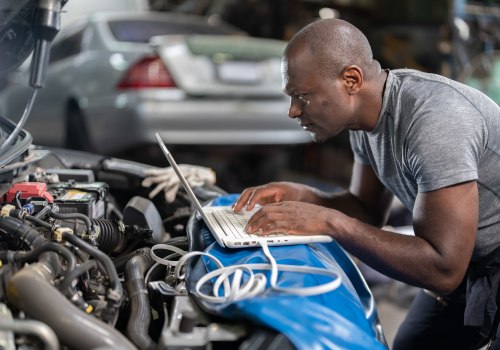
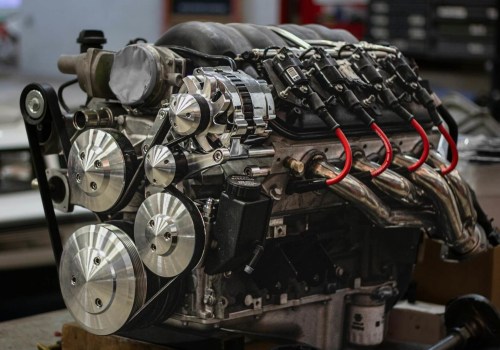
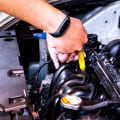
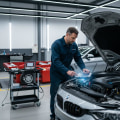
Engine tuning involves evaluating and adjusting operating parameters to maintain efficient combustion, appropriate power delivery, and consistent performance. Depending on the vehicle's specifications, technicians may inspect ignition systems, fuel delivery components, air intake systems, and electronic engine controls.
Proper tuning helps engines operate within recommended performance ranges while minimizing unnecessary mechanical stress. Incorrect adjustments, however, can increase fuel consumption, accelerate component deterioration, and potentially compromise reliability.
Drivers considering performance modifications should consult qualified automotive technicians to ensure adjustments remain compatible with existing mechanical systems. Regular diagnostic evaluations can also identify developing performance concerns before they become expensive repairs.
Following Preventive Maintenance Schedules
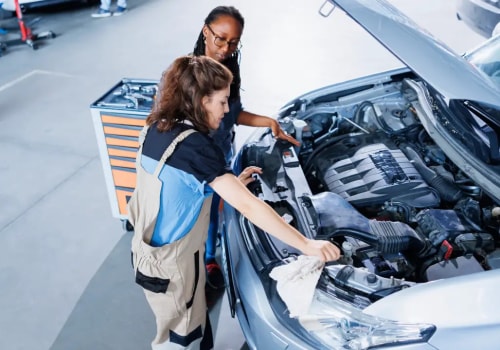
Preventive maintenance is essential for preserving vehicle reliability because it addresses routine wear before significant mechanical problems develop. Oil changes, fluid inspections, filter replacements, and cooling system evaluations help protect critical engine components.
Engine oil reduces friction between moving parts, while coolant regulates operating temperatures and prevents overheating. Neglecting these fluids can contribute to increased component wear and reduced engine efficiency.
Following manufacturer-recommended maintenance intervals allows drivers to maintain consistent performance. Keeping detailed service records also helps track previous repairs, identify recurring problems, and determine when replacement components may be necessary.
Protecting Exterior Surfaces Through Regular Cleaning
Vehicle reliability involves maintaining both mechanical functionality and exterior condition. Road grime, dust, bird droppings, and environmental pollutants can accumulate on painted surfaces and exposed components, potentially contributing to deterioration over time.
Regular washing helps remove these contaminants and preserve protective finishes. For drivers seeking convenient cleaning arrangements, a car wash membership in Riverside, California can support consistent exterior maintenance by making routine washing more accessible throughout the year.
Selecting appropriate cleaning techniques is important, particularly for vehicles with customized paintwork, protective coatings, or aftermarket accessories. Inspecting exterior surfaces after washing can also help owners recognize early signs of corrosion or damage.
Monitoring Tires, Brakes, and Suspension Components
Maintaining reliable transportation requires attention to systems beyond the engine. Tires, brakes, steering assemblies, and suspension components directly influence vehicle handling and safety.
Routine tire pressure checks, alignment inspections, and brake evaluations help identify problems before they affect driving performance. Unusual vibrations, inconsistent braking, or uneven tire wear should receive professional attention.
Developing Responsible Driving and Maintenance Habits
Driving behavior significantly influences mechanical longevity. Excessive acceleration, abrupt braking, and consistently ignoring warning indicators can place unnecessary stress on vehicle components.
Allowing engines to reach appropriate operating temperatures, maintaining recommended tire pressures, and addressing unusual noises promptly can help prevent avoidable deterioration.
Supporting Long-Term Vehicle Reliability
Engine tuning and routine vehicle care complement each other by maintaining mechanical efficiency, protecting valuable components, and preserving overall vehicle condition. Combining preventive inspections, appropriate cleaning practices, and responsible driving habits helps reduce unexpected maintenance challenges.
Ultimately, consistent attention to both performance and appearance allows vehicle owners to extend vehicle service life, maintain dependable operation, and protect their automotive investments over time.