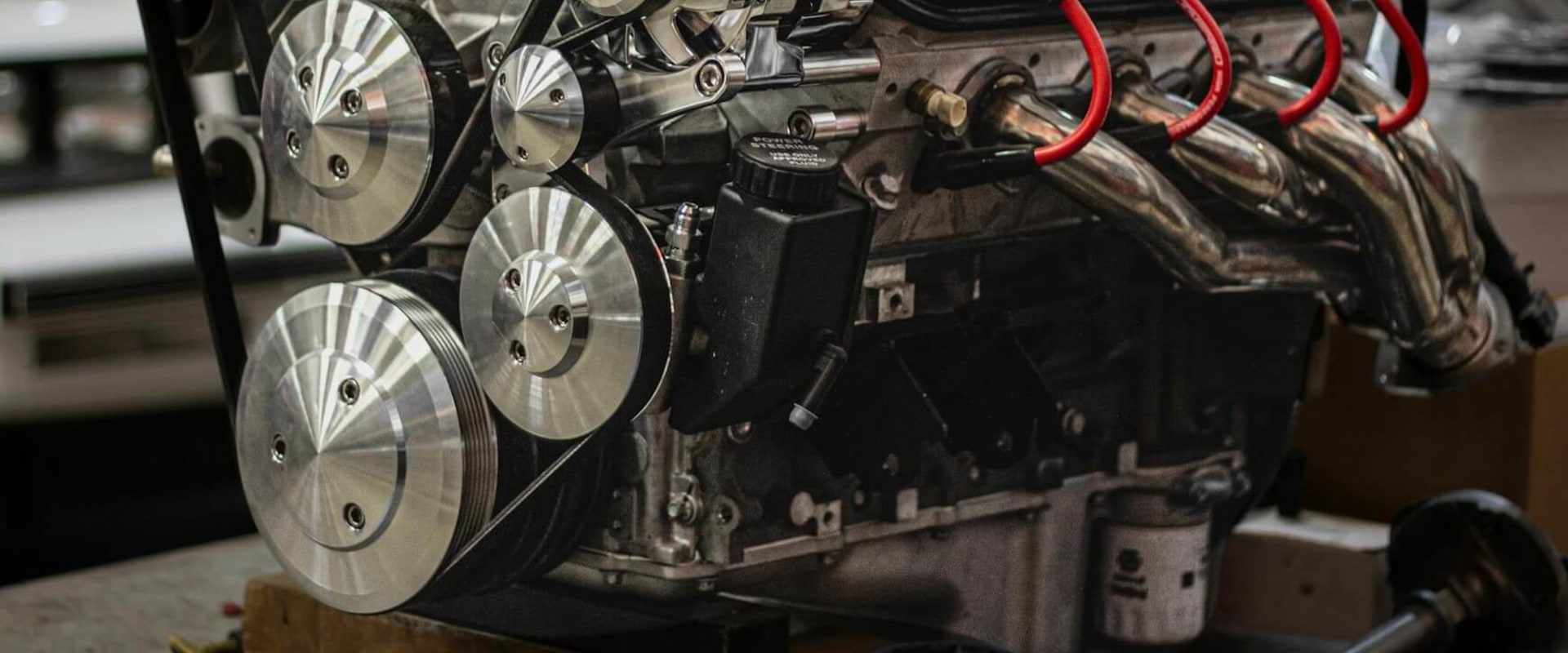
Engine tuning is a critical process that optimizes the performance of both diesel and gasoline engines. At its core, engine tuning involves adjusting various parameters within the engine management system to enhance efficiency, power output, and overall drivability. This can include modifications to fuel injection timing, air-fuel ratios, and ignition timing, among other factors. By fine-tuning these elements, vehicle owners can experience significant improvements in performance and fuel economy. The benefits of engine tuning services extend beyond mere performance enhancements.
For many drivers, tuning can lead to a more responsive driving experience, reduced emissions, and even extended engine life. Diesel engines, known for their torque and fuel efficiency, can particularly benefit from tuning as it allows for better combustion and power delivery. On the other hand, gasoline engines often see gains in horsepower and throttle response through similar adjustments. As we delve deeper into the world of engine tuning, it’s essential to understand that while the fundamental principles apply to both diesel and gasoline engines, the specific techniques and outcomes may vary. This section sets the stage for exploring these differences and similarities in greater detail, highlighting how tailored engine tuning services can cater to the unique needs of each engine type.
The Basics of Diesel Engine Tuning
Tuning diesel engines involves a unique set of techniques and considerations that differ significantly from those used for gasoline engines.Diesel engines operate on a different principle, relying on compression ignition rather than spark ignition, which influences the tuning methods employed.
Common Methods of Diesel Engine Tuning
- ECU Remapping: One of the most popular methods for enhancing diesel performance is through ECU (Engine Control Unit) remapping. This process involves modifying the software that controls the engine's functions, allowing for increased fuel efficiency and power output.
- Performance Chips: Installing performance chips can optimize fuel delivery and timing, resulting in improved throttle response and overall engine performance.
- Upgraded Turbochargers: Many diesel enthusiasts opt for upgraded turbochargers to increase airflow and boost pressure, leading to significant power gains.
- Exhaust System Modifications: Upgrading the exhaust system can reduce back pressure and improve exhaust flow, which enhances engine efficiency and performance.
Benefits of Diesel Tuning
- Increased Power and Torque: One of the primary benefits of diesel tuning is the substantial increase in power and torque, making vehicles more capable of handling heavy loads or towing.
- Improved Fuel Efficiency: Proper tuning can lead to better fuel economy, allowing drivers to save money on fuel while enjoying enhanced performance.
- Enhanced Engine Longevity: When done correctly, tuning can optimize engine performance without causing undue stress, potentially extending the lifespan of the engine.
Gasoline Engine Tuning Explained
Gasoline engine tuning is a popular practice among automotive enthusiasts looking to enhance their vehicle's performance. This process involves adjusting various parameters of the engine to optimize its efficiency and power output.Unlike diesel engines, which rely on compression for ignition, gasoline engines utilize spark plugs, making their tuning techniques distinct.
Techniques Used in Gasoline Engine Tuning
- ECU Remapping: One of the most common methods, this involves reprogramming the engine's electronic control unit (ECU) to improve fuel delivery and ignition timing.
- Performance Chips: These aftermarket chips can be installed to modify the engine's parameters, providing a quick boost in horsepower and torque.
- Cold Air Intakes: Upgrading to a cold air intake system allows for better airflow into the engine, enhancing combustion efficiency.
- Exhaust System Upgrades: A high-performance exhaust system reduces back pressure, allowing the engine to expel exhaust gases more efficiently.
Potential Performance Gains
The benefits of gasoline tuning can be significant. Enthusiasts often report increases in horsepower ranging from 10% to 30%, depending on the modifications made. Additionally, improved throttle response and acceleration can transform the driving experience. With proper tuning, fuel efficiency can also see enhancements, making it a win-win for performance and economy.
Popularity in the Automotive Community
The automotive community has embraced gasoline engine tuning due to its accessibility and the tangible results it offers.
Car shows and racing events often showcase tuned vehicles, highlighting the creativity and technical skills of their owners. As technology advances, more sophisticated tuning options become available, further fueling interest in gasoline performance upgrades.In summary, gasoline engine tuning not only enhances performance but also allows car enthusiasts to personalize their vehicles. With a variety of techniques available, anyone interested in boosting their car's capabilities can find suitable engine tuning services tailored to their needs.
Comparing Diesel and Gasoline Engine Tuning
When it comes to engine tuning services, the approach can vary significantly between diesel and gasoline engines. Understanding these differences is crucial for vehicle owners looking to enhance performance.Differences in Engine Tuning
One of the primary distinctions lies in the way each engine type operates.Diesel engines rely on compression ignition, while gasoline engines use spark ignition. This fundamental difference affects tuning methods:
- Tuning Techniques: Diesel tuning often involves adjusting fuel injection timing and pressure, while gasoline tuning may focus on modifying air-fuel ratios and ignition timing.
- Performance Goals: Diesel tuning typically aims for increased torque and fuel efficiency, making it popular among truck owners. In contrast, gasoline tuning often seeks higher horsepower and throttle response.
- Aftermarket Modifications: Diesel engines can benefit from upgrades like larger turbochargers and intercoolers, whereas gasoline engines might utilize performance chips or exhaust systems to achieve desired results.
Can You Tune Diesel Engines Like Gasoline Engines?
The short answer is yes, but with caveats. While both engine types can be tuned for improved performance, the methods and outcomes differ.For instance, a diesel engine can be tuned to produce more power, but it may not achieve the same high RPMs as a gasoline engine. Additionally, the tuning process for diesel engines often requires specialized knowledge due to their unique components and operating characteristics.In conclusion, while engine tuning services are available for both diesel and gasoline engines, the techniques employed and the results achieved can vary widely. Vehicle owners should consult with professionals who understand the specific requirements of their engine type to ensure optimal performance enhancements.
Common Engine Tuning Services Available
When it comes to engine tuning services, both diesel and gasoline engines have a variety of options available to enhance performance, efficiency, and overall driving experience. Understanding these services can help vehicle owners make informed decisions about their tuning needs.Types of Engine Tuning Services
- ECU Remapping: This is one of the most common tuning services, where the engine's electronic control unit (ECU) is reprogrammed to optimize fuel delivery, ignition timing, and other parameters.
This service is available for both diesel and gasoline engines.
- Performance Chips: Installing performance chips can improve engine performance by altering the factory settings. These chips can be tailored for specific driving conditions and are popular among enthusiasts looking for quick gains.
- Exhaust System Upgrades: Upgrading the exhaust system can significantly enhance engine performance by improving airflow. This service is often paired with other tuning options to maximize results.
- Cold Air Intakes: Installing a cold air intake system allows for better airflow into the engine, which can lead to improved horsepower and torque. This is a common modification for both diesel and gasoline engines.
- Dyno Tuning: This professional service involves testing the vehicle on a dynamometer to measure its power output.
A technician can then make precise adjustments to the ECU for optimal performance.
Professional vs. DIY Options
While many engine tuning services can be performed as DIY projects, professional tuning offers several advantages. Professional tuners have access to advanced diagnostic tools and software that ensure precise adjustments tailored to your specific vehicle model. Additionally, they can provide insights based on extensive experience with various engine types.On the other hand, DIY tuning can be a cost-effective way to enhance your vehicle's performance if you have the necessary skills and knowledge.However, it’s crucial to understand that improper tuning can lead to engine damage or decreased performance.In conclusion, whether you opt for professional engine tuning services or choose to tackle some modifications yourself, understanding the available options will help you achieve your desired performance goals while ensuring your engine runs smoothly and efficiently.
FAQs About Engine Tuning for Diesel and Gasoline Engines
When it comes to engine tuning services, many vehicle owners have questions about the differences between tuning diesel and gasoline engines. Here are some frequently asked questions that can help clarify these differences and provide insights into the tuning process.1.Can both diesel and gasoline engines be tuned?
Yes, both diesel and gasoline engines can be tuned. However, the tuning process and the outcomes may vary significantly between the two types of engines. Diesel engines often benefit from tuning that enhances torque and fuel efficiency, while gasoline engines may focus more on increasing horsepower and throttle response.2.What are the common methods of engine tuning?
- ECU Remapping: This involves modifying the engine's electronic control unit to optimize performance.
- Performance Chips: These chips can be added to enhance engine performance without extensive modifications.
- Exhaust System Upgrades: Improving exhaust flow can significantly impact engine efficiency and power.
- Intake Modifications: Upgrading air intake systems can improve airflow, leading to better combustion.
3.Is diesel tuning worth it?
Tuning a diesel engine can be highly beneficial, especially for those looking to improve fuel economy or towing capacity.Many diesel owners report noticeable improvements in performance after tuning, making it a worthwhile investment for those who rely on their vehicles for heavy-duty tasks or long-distance travel.
4.Are there risks associated with engine tuning?
While engine tuning services can enhance performance, there are potential risks involved. Improper tuning can lead to engine damage, increased emissions, or voiding warranties. It is crucial to work with reputable professionals who understand the specific requirements of your engine type.In conclusion, understanding the nuances of engine tuning for both diesel and gasoline engines is essential for making informed decisions. Whether you’re looking to boost performance or improve efficiency, consulting with experts in engine tuning services will ensure you achieve your desired results safely and effectively.Conclusion: The Future of Engine Tuning Services
In conclusion, engine tuning services have proven to be a viable option for both diesel and gasoline engines, offering significant enhancements in performance, efficiency, and overall driving experience.As we have explored, the methods and technologies used in tuning these engines may differ, but the underlying principles remain the same: optimizing fuel delivery, improving air intake, and adjusting engine parameters to achieve the best possible performance.The growing demand for engine tuning services reflects a broader trend towards personalization and performance enhancement in the automotive industry. With advancements in technology, such as the rise of ECU remapping and sophisticated diagnostic tools, both diesel and gasoline engines can be fine-tuned to meet specific driver needs and preferences.
- Diesel Engines: Tuning can lead to improved torque and fuel efficiency, making them ideal for heavy-duty applications.
- Gasoline Engines: Tuning often focuses on increasing horsepower and throttle response, appealing to performance enthusiasts.
- Electrification: As hybrid and electric vehicles become more prevalent, tuning services will evolve to accommodate new powertrains.
- Smart Technology: The integration of AI and machine learning in engine management systems will allow for more precise tuning options.
- Sustainability: With a growing emphasis on reducing emissions, tuning services will increasingly focus on enhancing fuel efficiency while maintaining performance.