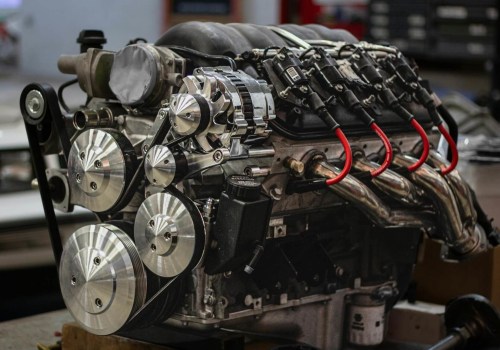
Engine tuning is a critical process that involves adjusting the performance parameters of an engine to enhance its efficiency, power output, and overall functionality. This process can significantly impact how an engine operates, including its fuel consumption and emissions levels. By optimizing various components such as the air-fuel mixture, ignition timing, and exhaust systems, engine tuning services can help achieve a balance between performance and environmental responsibility.The primary purpose of engine tuning is to maximize the engine's potential while ensuring it runs smoothly and efficiently. This can be particularly beneficial for car enthusiasts looking to improve their vehicle's performance on the track or for everyday drivers seeking better fuel economy.
Various methods are employed in tuning, including ECU remapping, where the engine's electronic control unit is reprogrammed to enhance performance metrics, and mechanical adjustments that may involve changing components like the intake or exhaust systems.Moreover, understanding the benefits of engine tuning extends beyond just performance enhancements. Properly tuned engines can lead to reduced emissions, which is increasingly important in today's environmentally conscious world. By optimizing combustion processes and improving fuel efficiency, tuning can help vehicles meet stringent emission standards while still delivering the power drivers expect. As such, engaging with professional engine tuning services not only elevates your vehicle's capabilities but also contributes positively to reducing its environmental footprint.
How Engine Tuning Works
Engine tuning is a complex process that involves adjusting various parameters of an engine to optimize its performance, efficiency, and emissions.Understanding how engine tuning services work requires a look into the specific methods and technologies employed during the tuning process.The tuning process typically begins with a thorough diagnostic assessment of the engine. This includes analyzing data from the engine control unit (ECU) to identify areas where performance can be enhanced. The ECU is a computer that manages engine functions, and it plays a crucial role in determining how fuel is injected, how ignition timing is set, and how exhaust gases are managed.
Tuning Methods
- Reprogramming the ECU: This method involves updating the software within the ECU to improve engine performance. By modifying fuel maps and ignition timing, tuners can enhance power output while also optimizing fuel efficiency.
- Mechanical Adjustments: In some cases, physical modifications to engine components such as air intake systems, exhaust systems, and turbochargers are necessary.
These adjustments can significantly impact airflow and combustion efficiency.
- Performance Chips: Installing performance chips can alter the way the ECU interacts with the engine. These chips can provide more aggressive tuning options that enhance horsepower and torque.
By employing various tuning methods and technologies, professionals can optimize engine performance while keeping emissions in check, ensuring a more efficient and environmentally friendly driving experience.
The Relationship Between Engine Tuning and Emissions Levels
Engine tuning services can significantly impact emissions levels, influencing both the quantity and type of pollutants released into the atmosphere. Understanding this relationship is crucial for vehicle owners who are considering tuning their engines for performance or efficiency.Positive Effects of Engine Tuning
- Improved Fuel Efficiency: Proper tuning can enhance fuel combustion, leading to better fuel efficiency. This means that less fuel is burned for the same amount of power, which can reduce overall emissions.
- Optimized Air-Fuel Mixture: Tuning services often adjust the air-fuel mixture to achieve optimal combustion. A well-balanced mixture can minimize unburned hydrocarbons and other harmful emissions.
- Enhanced Engine Performance: By optimizing engine parameters, tuning can lead to a more complete combustion process, which reduces the production of nitrogen oxides (NOx) and particulate matter.
- Increased Emissions: If tuning is not done correctly, it can lead to an overly rich air-fuel mixture, resulting in higher emissions of carbon monoxide (CO) and unburned hydrocarbons.
- Potential for Engine Damage: Aggressive tuning practices may push engines beyond their designed limits, leading to incomplete combustion and increased emissions due to engine stress and wear.
- Non-Compliance with Regulations: Some tuning modifications may violate local emissions regulations, leading to legal issues and increased environmental impact.
Vehicle owners should carefully consider these factors and consult with professionals to ensure that their tuning practices align with both performance goals and environmental standards.
Types of Engine Tuning Services and Their Emission Impacts
Engine tuning services can be broadly categorized into two main types: performance tuning and eco-tuning. Each of these services has distinct impacts on emissions levels, making it essential for vehicle owners to understand their options.Performance Tuning
Performance tuning focuses on enhancing a vehicle's power and efficiency. This type of tuning often involves modifications to the engine's air intake, exhaust systems, and fuel mapping. While performance tuning can significantly boost horsepower and torque, it may also lead to increased emissions.The reason is that higher performance often requires burning more fuel, which can result in greater output of harmful pollutants.
Eco-Tuning
In contrast, eco-tuning aims to optimize a vehicle's engine for better fuel efficiency and reduced emissions. This service typically includes adjustments to the engine's fuel injection system, ignition timing, and overall engine management software. By fine-tuning these parameters, eco-tuning can lead to a decrease in carbon dioxide (CO2) and nitrogen oxide (NOx) emissions. Many eco-tuning services also focus on ensuring that the vehicle meets or exceeds environmental regulations.Comparative Emission Impacts
- Performance Tuning: May increase emissions due to higher fuel consumption.
- Eco-Tuning: Aims to lower emissions while improving fuel economy.
Those looking for enhanced driving experience might lean towards performance tuning, while environmentally conscious drivers may prefer eco-tuning services that align with sustainability goals. Understanding these differences is crucial for making informed decisions about engine tuning services and their potential impact on emissions levels.
Regulatory Standards and Engine Tuning
Engine tuning services play a crucial role in optimizing vehicle performance, but they must also navigate a complex landscape of emissions regulations. In the United States, the Environmental Protection Agency (EPA) sets stringent standards to control the amount of harmful pollutants that vehicles can emit. These regulations are designed to protect air quality and public health, making compliance essential for both manufacturers and consumers.When considering engine tuning, it is vital to understand how modifications can impact a vehicle's emissions profile.While tuning can enhance performance and fuel efficiency, it may also lead to increased emissions if not done in accordance with EPA standards. For instance, adjustments that improve horsepower might inadvertently raise nitrogen oxides (NOx) or particulate matter emissions, which are closely monitored by regulatory bodies.
Compliance with Emissions Standards
To ensure compliance with emissions standards, consumers should seek reputable engine tuning services that prioritize legal adherence. Here are some key points to consider:- Certification: Look for tuning services that offer certified products and modifications that meet EPA guidelines.
- Testing: Reputable tuners often conduct emissions testing post-tuning to verify compliance with local regulations.
- Warranty: Some manufacturers may void warranties if modifications lead to non-compliance; always check warranty implications before proceeding.
Therefore, it is essential for vehicle owners to be aware of their local laws when considering engine tuning.In summary, while engine tuning can significantly enhance vehicle performance, it is imperative to approach these modifications with an understanding of the regulatory framework surrounding emissions. By choosing compliant tuning services and staying informed about local regulations, consumers can enjoy improved performance without compromising environmental standards.
Common Misconceptions About Engine Tuning and Emissions
When it comes to engine tuning services, there are several misconceptions that can cloud the understanding of how these modifications impact emissions levels. Addressing these myths is crucial for car owners considering tuning options.- Myth 1: Engine Tuning Always Increases Emissions
Many believe that any form of tuning will lead to higher emissions. However, this is not necessarily true.While some aggressive tuning can increase emissions, many engine tuning services focus on optimizing performance while adhering to emissions regulations. Proper tuning can actually improve fuel efficiency and reduce harmful emissions.
- Myth 2: All Tuned Engines Fail Emissions Tests
This is another common misconception. Not all tuned engines will fail emissions tests. In fact, many tuners specialize in creating setups that enhance performance without compromising compliance with local emissions standards. - Myth 3: Tuning is Only for Performance Cars
While performance enthusiasts often seek out engine tuning services, everyday vehicles can also benefit from tuning.Many drivers tune their engines to improve fuel economy and reduce emissions, making their vehicles more environmentally friendly.
Best Practices for Responsible Engine Tuning
When considering engine tuning services, it is essential to adopt practices that not only enhance performance but also prioritize environmental responsibility. Here are some best practices for responsible engine tuning:- Choose a Reputable Tuner: Select a tuning service with a proven track record in eco-friendly practices.
Look for certifications or affiliations with environmental organizations.
- Focus on Emissions Compliance: Ensure that the tuning modifications comply with local emissions regulations. This not only helps the environment but also avoids potential legal issues.
- Optimize Fuel Efficiency: Aim for tuning solutions that enhance fuel efficiency. Improved fuel economy often correlates with reduced emissions, making your vehicle more eco-friendly.
- Utilize Advanced Tuning Software: Employ modern tuning software that allows for precise adjustments. This can help in achieving optimal performance without excessive emissions.
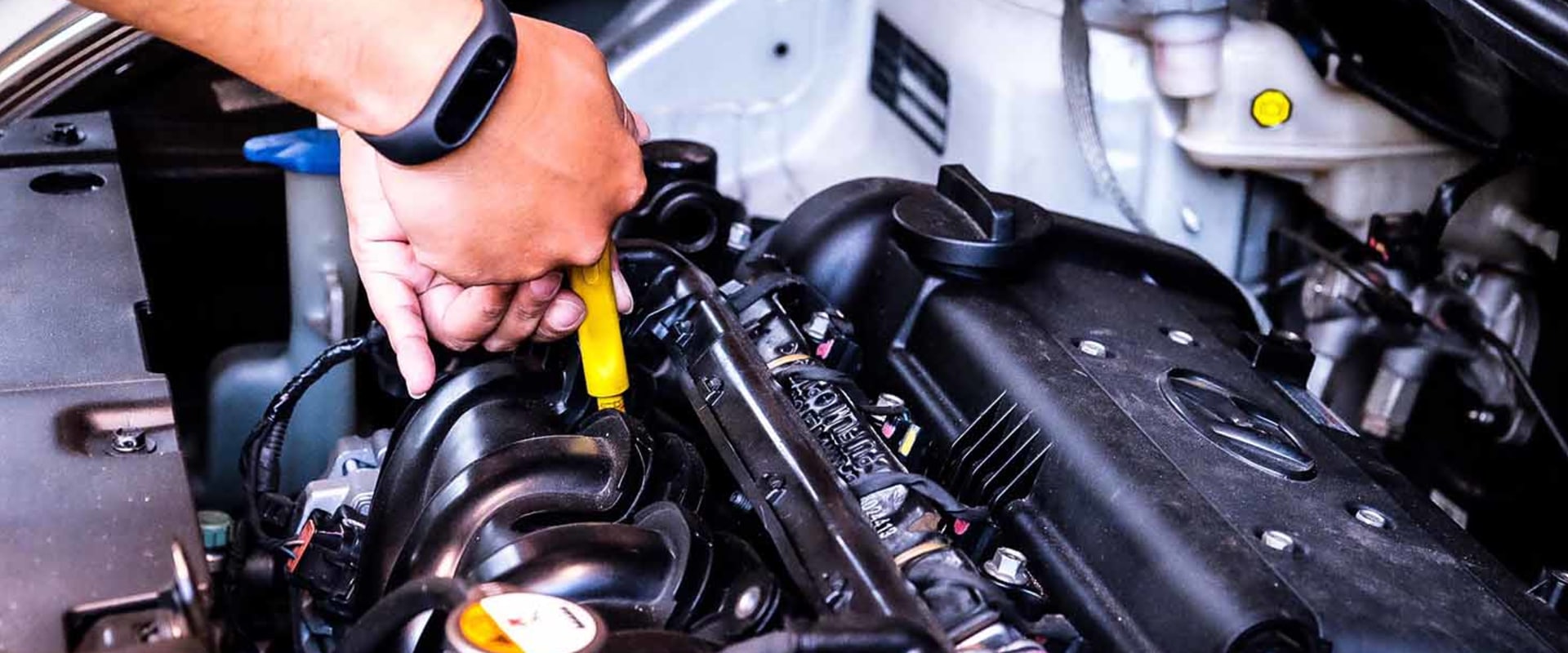
- Regular Maintenance: Keep your vehicle well-maintained post-tuning.
Regular checks on the engine, exhaust system, and emissions controls can prevent increased pollution levels.
- Consider Eco-Friendly Modifications: Explore modifications that are designed specifically to reduce emissions, such as high-flow catalytic converters or performance exhaust systems that meet environmental standards.
Conclusion: Balancing Performance and Environmental Responsibility in Engine Tuning
In conclusion, engine tuning services offer a unique opportunity to enhance vehicle performance, but they also come with significant responsibilities regarding emissions. As we have explored, the relationship between tuning and emissions is complex, influenced by various factors such as engine type, tuning methods, and the specific goals of the vehicle owner.While many enthusiasts seek to maximize horsepower and torque through tuning, it is crucial to consider the environmental impact of these modifications.Engine tuning
can lead to increased emissions if not executed with care.For instance, adjustments that enhance performance may inadvertently compromise the vehicle's ability to meet regulatory standards for pollutants.
Key Considerations for Responsible Tuning
- Compliance with Emission Standards: Always ensure that any tuning performed adheres to local and federal emissions regulations.
- Use of Quality Parts: Opt for high-quality components that are designed to work harmoniously with your engine's tuning.
- Professional Services: Engage with reputable engine tuning services that prioritize both performance and environmental responsibility.