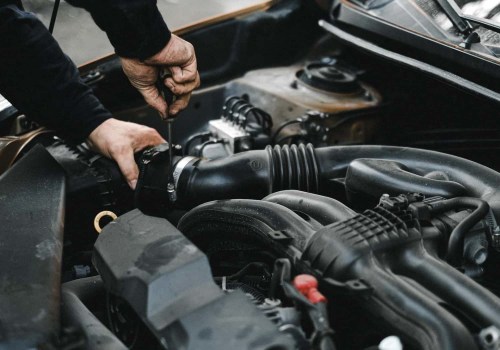
In the world of automotive performance, engine tuning services have emerged as a popular choice among car enthusiasts looking to enhance their vehicle's capabilities. Engine tuning involves adjusting the engine's parameters to optimize performance, fuel efficiency, and overall driving experience. This process can range from simple modifications, such as recalibrating the engine control unit (ECU), to more complex upgrades that may include hardware changes like exhaust systems and air intakes.The growing interest in engine tuning services can be attributed to the desire for personalized driving experiences. Many drivers seek to unlock the full potential of their vehicles, whether for daily commuting or competitive racing.
However, while the benefits of tuning can be significant—such as increased horsepower, improved throttle response, and better fuel economy—it is essential to recognize that these enhancements come with certain risks.As we delve deeper into the topic, it becomes crucial to understand not only the advantages but also the potential pitfalls associated with engine tuning. From voiding warranties to causing engine damage if not done correctly, the risks can vary widely depending on the type of tuning performed and the vehicle in question. This section sets the stage for a comprehensive exploration of both the benefits and risks of engine tuning, ensuring that enthusiasts are well-informed before making modifications to their prized possessions.
What is Engine Tuning?
Engine tuning refers to the process of modifying a vehicle's engine to enhance its performance, efficiency, or both. This can involve adjustments to various components, including the engine control unit (ECU), fuel injectors, and exhaust systems.The primary goal of engine tuning is to optimize the engine's output and improve overall driving experience.
Types of Engine Tuning
- Performance Tuning: This type focuses on maximizing horsepower and torque. It often includes modifications such as upgrading the turbocharger, enhancing the intake system, and recalibrating the ECU for better fuel mapping. Performance tuning is popular among car enthusiasts looking for speed and acceleration improvements.
- Economy Tuning: In contrast, economy tuning aims to improve fuel efficiency without sacrificing too much power. This may involve optimizing the air-fuel mixture and adjusting ignition timing to ensure that the engine runs more efficiently.
Drivers seeking to save on fuel costs often opt for this type of tuning.
- Custom Tuning: This is a tailored approach where tuning is specifically designed for an individual vehicle based on its unique characteristics and the owner's preferences. Custom tuning can combine elements of both performance and economy tuning, depending on what the driver desires.
Benefits of Engine Tuning Services
Engine tuning services offer a range of benefits that can significantly enhance your vehicle's performance and efficiency.By optimizing the engine's parameters, these services can lead to a more responsive driving experience and improved fuel economy.
- Improved Performance: One of the primary advantages of engine tuning is the noticeable boost in horsepower and torque. By adjusting the air-fuel mixture and ignition timing, tuning can unleash your engine's full potential, making acceleration smoother and more powerful.
- Enhanced Fuel Efficiency: Contrary to common belief, engine tuning can also lead to better fuel economy. By optimizing the combustion process, vehicles can achieve more miles per gallon, saving you money at the pump while reducing emissions.
- Customization: Engine tuning services allow for a tailored approach to your vehicle's performance. Whether you want a sportier feel or a more efficient ride, tuning can be adjusted to meet your specific driving needs and preferences.
- Increased Longevity: Properly tuned engines often experience less wear and tear.
By ensuring that the engine runs efficiently, you can potentially extend its lifespan and reduce the likelihood of costly repairs down the line.
Potential Risks Associated with Engine Tuning
While engine tuning services can enhance performance and efficiency, they also come with a set of potential risks that car owners should carefully consider. Understanding these risks is crucial for making informed decisions about tuning your vehicle.Mechanical Failures
One of the primary concerns with engine tuning is the risk of mechanical failures.When an engine is tuned for higher performance, it often operates under increased stress. This can lead to:
- Overheating: Enhanced power output can cause the engine to run hotter than normal, potentially leading to overheating and subsequent damage.
- Increased Wear: Components such as pistons, valves, and bearings may experience accelerated wear due to the added strain from tuning.
- Fuel System Issues: Modifications may require changes to the fuel system, and improper adjustments can lead to fuel starvation or flooding.
Warranty Voiding
Another significant risk associated with engine tuning services is the potential for warranty voiding. Many manufacturers have strict policies regarding modifications:- If a vehicle is tuned and subsequently experiences a failure, the manufacturer may refuse to cover repairs under warranty.
- This can lead to substantial out-of-pocket expenses for repairs that would otherwise be covered.
Legal Issues
Tuning can also lead to legal issues, particularly concerning emissions regulations. Many states have stringent laws regarding vehicle emissions:- Tuning an engine to increase performance may inadvertently increase emissions, making the vehicle non-compliant with local laws.
- This could result in fines or the inability to pass emissions tests, which are required for vehicle registration.
Mechanical failures, warranty voiding, and legal issues are all critical factors that should be considered before proceeding with any tuning modifications.
Mechanical Risks: What Can Go Wrong?
When considering engine tuning services, it's crucial to understand the potential mechanical risks involved. Improper tuning can lead to a variety of issues that may compromise the performance and longevity of your engine.Common Issues with Tuned Engines
- Overheating: One of the most frequent problems is overheating, which can occur if the engine is tuned for more power without adequate cooling modifications. This can lead to warped cylinder heads or blown gaskets.
- Detonation: Also known as engine knock, detonation happens when fuel ignites prematurely in the combustion chamber. This can cause severe damage to pistons and cylinder walls.
- Fuel System Failures: Tuning often requires adjustments to the fuel system.
If these adjustments are not made correctly, it can lead to lean conditions, resulting in engine damage due to insufficient lubrication and cooling.
- Transmission Strain: Increased power output can put additional strain on the transmission, leading to premature wear or failure if it is not upgraded accordingly.
Case Studies of Engine Damage from Tuning
Several documented cases highlight the risks associated with improper tuning:- A Performance Car Incident: A well-known performance car was tuned for higher horsepower without considering the stock cooling system's limitations. The result was catastrophic overheating, leading to a complete engine rebuild.
- A DIY Tuner's Mistake: An amateur tuner adjusted the air-fuel mixture without proper monitoring tools. This led to a lean condition that caused significant piston damage, requiring a full engine replacement.
Impact on Vehicle Warranty and Insurance
When considering engine tuning services, one of the most critical factors to evaluate is the potential impact on your vehicle's warranty and insurance coverage.Many car owners are unaware that modifying their engine can lead to significant complications regarding these protections.
Engine Tuning and Warranty Issues
Most manufacturers provide a warranty that covers defects and issues arising from normal use. However, engine tuning can alter the performance characteristics of your vehicle, which may lead manufacturers to void the warranty. This is particularly true if the tuning results in damage or failure of engine components. For instance, if a tuned engine experiences a failure that can be traced back to modifications, the manufacturer may refuse to cover repairs under warranty.Insurance Implications for Tuned Engines
In addition to warranty concerns, insurance policies may also be affected by engine tuning.Many insurance companies require policyholders to disclose any modifications made to their vehicles. Failing to do so could result in denied claims or even policy cancellation. Insurers may view tuned engines as higher risk due to their increased performance capabilities, which could lead to higher premiums.
Warranty Voiding from Tuning
- Manufacturer Policies: Each manufacturer has its own policies regarding modifications. It's essential to review your warranty documentation or consult with your dealer before proceeding with any tuning.
- Documentation: Keep records of any tuning services performed, as this can help in discussions with both manufacturers and insurers.
- Reversible Modifications: Some tuning options are designed to be reversible, which may help maintain warranty coverage if you return the vehicle to its original state before service.
Car owners should conduct thorough research and consider consulting with professionals before making any modifications to ensure they understand the implications fully.
Legal Considerations in Engine Tuning
When considering engine tuning services, it is crucial to understand the legal implications that may arise. Tuning a vehicle's engine can enhance performance, but it can also lead to potential legal issues if not done in compliance with local laws and regulations.Emissions Regulations and Tuning
One of the primary legal concerns associated with engine tuning is adherence to emissions regulations. Many states and countries have strict laws governing the amount of pollutants that vehicles can emit. Modifying an engine can inadvertently increase emissions, making the vehicle non-compliant with these regulations.For instance, removing or altering emissions control devices, such as catalytic converters, can lead to significant fines and penalties.
Legality of Tuned Vehicles
The legality of a tuned vehicle often depends on how the modifications affect its compliance with safety and emissions standards. In some jurisdictions, a vehicle that has been significantly modified may require a new inspection or certification to ensure it meets all legal requirements. Failure to do so can result in the vehicle being deemed illegal for road use.- Check Local Laws: Always research local laws regarding vehicle modifications before proceeding with any tuning services.
- Consult Professionals: Work with reputable tuning services that are knowledgeable about legal requirements in your area.
- Documentation: Keep records of all modifications and any certifications obtained to demonstrate compliance if questioned by authorities.
Choosing a Reputable Engine Tuning Service
When it comes to engine tuning services, selecting a reputable provider is crucial to ensure both performance enhancement and safety.Here are some key factors to consider when choosing an engine tuning service:
- Research and Reviews: Start by researching local tuners and reading customer reviews. Websites like Yelp, Google Reviews, and automotive forums can provide insights into the experiences of other customers. Look for tuners with consistently positive feedback and a solid reputation in the community.
- Certifications and Experience: Check if the tuning service has certified technicians with experience in your specific vehicle make and model. A qualified tuner should have a deep understanding of engine mechanics and tuning software.
- Services Offered: Ensure that the service offers a range of tuning options, including custom tunes, performance upgrades, and diagnostics.
A comprehensive service indicates that the tuner is well-versed in various aspects of engine performance.
- Transparency: A reputable tuner will be transparent about their processes, including the methods they use for tuning and any potential risks involved. They should be willing to explain how their modifications will affect your vehicle's performance and reliability.
- Warranty and Support: Inquire about any warranties or guarantees offered on their work. A trustworthy tuner will stand behind their services and provide support if issues arise after tuning.
They should utilize high-quality parts, adhere to manufacturer specifications, and conduct thorough testing after modifications.By taking the time to research and evaluate potential engine tuning services, you can significantly reduce the risks associated with engine tuning while enhancing your vehicle's performance safely.
Frequently Asked Questions about Engine Tuning Risks
When considering engine tuning services, many car enthusiasts and everyday drivers alike have questions about the potential risks involved. Here are some of the most frequently asked questions regarding these risks:- What are the main risks associated with engine tuning?
The primary risks include engine damage, voiding warranties, and potential legal issues related to emissions regulations. If not done correctly, tuning can lead to excessive wear on engine components or even catastrophic failure. - Can engine tuning affect my vehicle's warranty?
Yes, many manufacturers state that modifications like engine tuning can void your warranty. It's essential to check your warranty terms before proceeding with any tuning services. - Is it safe to use aftermarket tuning software?
While many aftermarket tuning solutions are safe, using unverified or poorly designed software can lead to significant engine problems.Always opt for reputable brands and consult with professionals.
- How can I minimize the risks of engine tuning?
To reduce risks, consider the following:- Choose a reputable service provider with experience in engine tuning.
- Ensure that the tuning is tailored specifically for your vehicle model.
- Regularly maintain your vehicle to ensure all components are in good working order.
Conclusion: Weighing the Risks and Benefits of Engine Tuning Services
In conclusion, while engine tuning services can significantly enhance your vehicle's performance, it is crucial to weigh the associated risks against the potential benefits. Understanding these factors can help you make an informed decision that aligns with your driving needs and expectations. On one hand, the benefits of engine tuning include:- Improved Performance: Enhanced horsepower and torque can lead to a more exhilarating driving experience.
- Better Fuel Efficiency: Optimized engine settings can result in improved fuel economy, saving you money in the long run.
- Customization: Tuning allows for personalization of your vehicle's performance characteristics to suit your driving style.
- Potential Engine Damage: Improper tuning can lead to engine wear or failure, resulting in costly repairs.
- Warranty Issues: Many manufacturers void warranties if modifications are made, leaving you unprotected against future issues.
- Legal Compliance: Some tuning modifications may not comply with local emissions regulations, leading to fines or penalties.