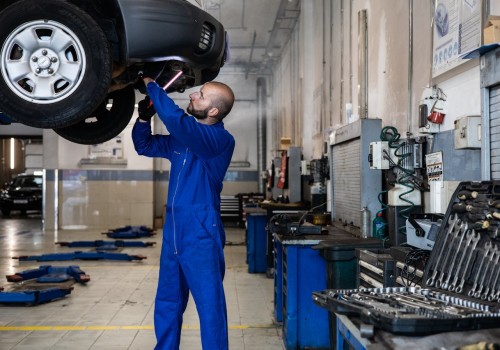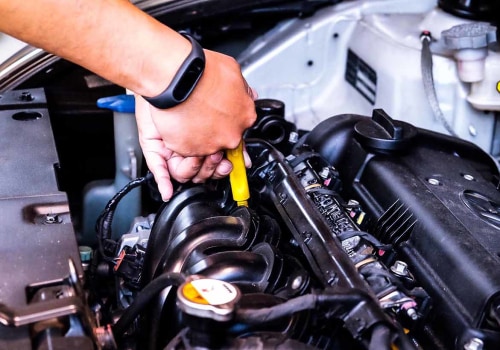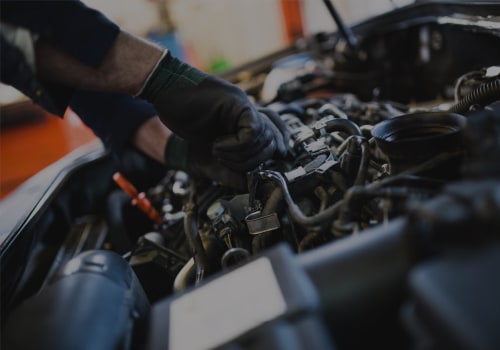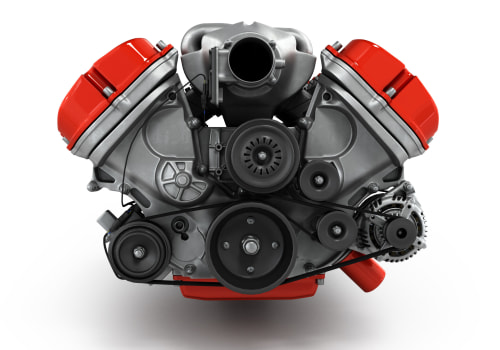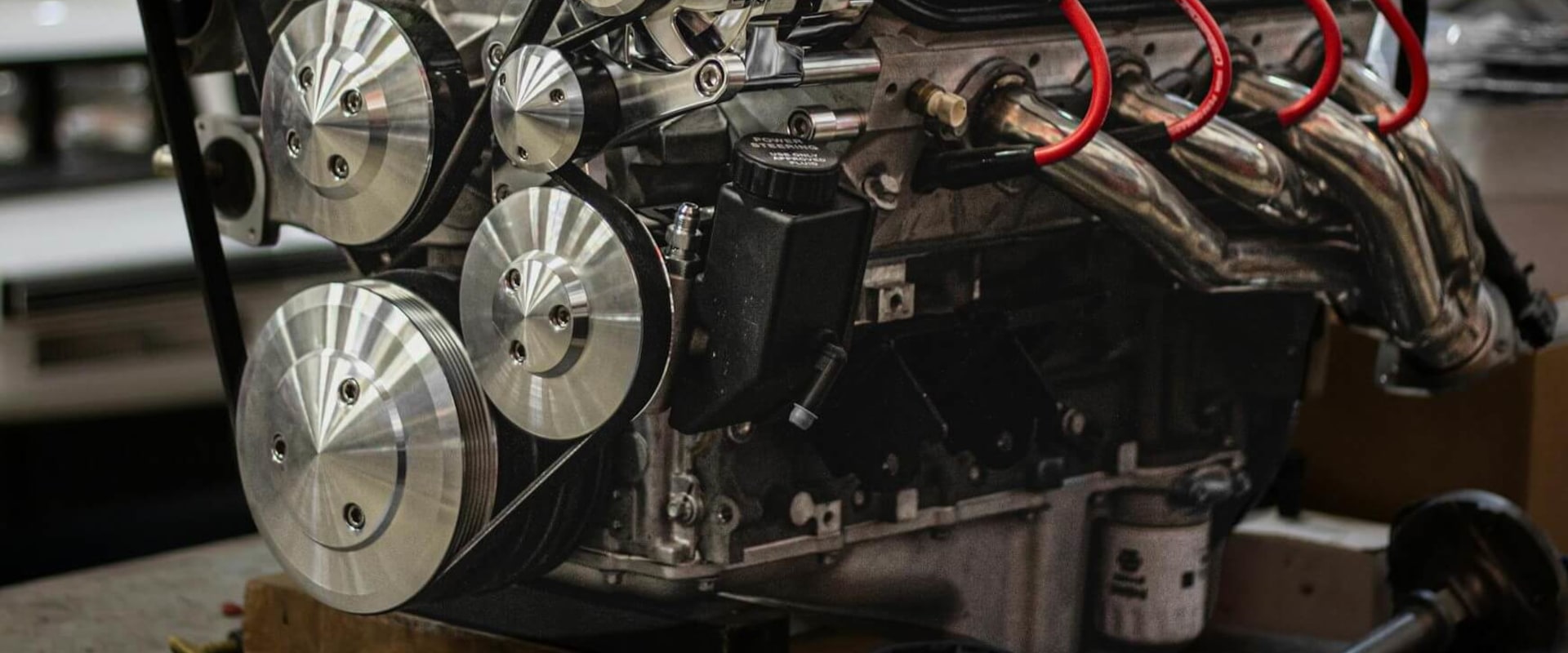
Engine tuning is a crucial process that involves adjusting and optimizing the performance of a vehicle's engine. This can include modifications to the engine's fuel injection system, ignition timing, and air intake, among other components. The primary goal of engine tuning is to enhance the overall efficiency and power output of the vehicle, ensuring that it operates at its best under various driving conditions. The purpose of engine tuning services extends beyond mere performance enhancement; it also aims to improve fuel economy and reduce emissions. By fine-tuning the engine's parameters, drivers can experience a smoother ride, quicker acceleration, and better handling.
This is particularly beneficial for those who use their vehicles for racing or heavy-duty applications, where every bit of performance counts. Moreover, the benefits of engine tuning are not limited to performance alone. Regular tuning can lead to increased longevity of engine components by reducing wear and tear caused by inefficient operation. Additionally, a well-tuned engine can help in identifying potential issues before they escalate into costly repairs. In essence, investing in engine tuning not only enhances your driving experience but also contributes to the long-term health of your vehicle.
Types of Engine Tuning Services
When it comes to engine tuning services, there are several types that cater to different needs and performance goals.Understanding these options can help vehicle owners make informed decisions about enhancing their vehicle's performance.
Performance Tuning
Performance tuning focuses on maximizing the power and efficiency of your engine. This type of tuning often involves modifications to various engine components, such as the intake and exhaust systems, to improve airflow and combustion efficiency. Performance tuning can lead to significant gains in horsepower and torque, making it a popular choice for enthusiasts looking to enhance their driving experience.ECU Tuning
ECU tuning, also known as ECU remapping, involves altering the software within your vehicle's Engine Control Unit (ECU). This process allows for adjustments to fuel maps, ignition timing, and other parameters that directly affect engine performance.By optimizing these settings, ECU tuning can lead to improved throttle response, better fuel economy, and increased power output. It is a highly effective way to tailor your vehicle's performance without the need for extensive hardware modifications.
Other Tuning Services
- Dyno Tuning: This service uses a dynamometer to measure your vehicle's performance before and after tuning, ensuring that adjustments yield the desired results.
- Stage Tuning: Many tuners offer stage-based tuning options, where each stage represents a different level of performance enhancement based on specific modifications made to the vehicle.
- Custom Tuning: For those with unique setups or specific performance goals, custom tuning provides a tailored approach that considers all aspects of the vehicle's configuration.
Can You Drive Your Vehicle While It's Being Tuned?
When considering engine tuning services, a common question arises: Can you drive your vehicle while it's being tuned? The answer is not straightforward and depends on several factors, including the type of tuning being performed and the specific modifications being made to your vehicle.In general, it is not advisable to drive your vehicle during the tuning process. Here are a few reasons why:- Potential for Incomplete Adjustments: During tuning, adjustments are made to the engine's performance parameters.
If you drive the vehicle before these adjustments are finalized, you may experience poor performance or even damage to the engine.
- Safety Concerns: Tuning can affect how your vehicle handles and responds. Driving a car that is in the middle of this process can lead to unpredictable behavior, which could pose safety risks.
- Diagnostic Issues: Many tuning processes involve monitoring various engine metrics. If you drive the vehicle while tuning is ongoing, it can complicate diagnostics and lead to inaccurate readings.
In some cases, minor adjustments may allow for limited driving, but this should only be done with professional advice.Ultimately, while it might be tempting to take your car for a spin after a tune-up, it’s best to wait until all adjustments are complete and thoroughly tested. This ensures not only optimal performance but also your safety on the road.
Factors Affecting Driving During Tuning
When considering whether you can drive your vehicle while it is undergoing engine tuning services, several factors come into play. Understanding these factors can help you make an informed decision and ensure your safety on the road.- Type of Tuning: The nature of the tuning process significantly affects your ability to drive the vehicle. For instance, performance tuning, which often involves modifications to the engine's software or hardware, may require the vehicle to be stationary for optimal results.
In contrast, basic diagnostic tuning might allow for limited driving, as it often involves adjustments that do not compromise vehicle safety.
- Vehicle Condition: The current state of your vehicle plays a crucial role. If your car is already experiencing issues such as engine misfires or overheating, attempting to drive it during tuning could exacerbate these problems. A well-maintained vehicle is more likely to handle minor tuning adjustments without significant risk.
- Safety Considerations: Driving a vehicle that is being tuned can pose safety risks. If the tuning process involves changes to critical systems like fuel delivery or ignition timing, it may lead to unpredictable behavior on the road.
Always prioritize safety; if in doubt, consult with your tuning specialist about whether driving is advisable.
Potential Risks of Driving While Tuning
Driving a vehicle while it is undergoing engine tuning services can pose several risks that every driver should be aware of. While the allure of enhanced performance may tempt some to take their tuned vehicle for a spin, the potential consequences can outweigh the benefits.Risks of Engine Damage
One of the primary concerns when driving a vehicle that is being tuned is the risk of engine damage. During the tuning process, adjustments are made to various engine parameters, including fuel mixture and ignition timing.If these adjustments are not finalized or tested properly, it can lead to:
- Overheating: An improperly tuned engine may run hotter than normal, risking overheating and potential engine failure.
- Knocking: Incorrect timing settings can cause engine knocking, which can severely damage internal components.
- Excessive Wear: Running an engine under non-optimized conditions can lead to increased wear and tear on critical parts.
Performance Issues
In addition to the risk of damage, driving while your vehicle is being tuned can result in significant performance issues. These issues may include:- Poor Acceleration: The vehicle may not respond as expected, leading to sluggish acceleration or stalling.
- Reduced Fuel Efficiency: A vehicle that is not properly tuned may consume more fuel than necessary, negating any performance gains.
- Unpredictable Handling: Changes in engine performance can affect how the vehicle handles, making it less stable and harder to control.
What to Expect During the Tuning Process
When you decide to invest in engine tuning services, understanding the tuning process is crucial. This process typically involves several key steps that can vary based on the specific services you choose and the condition of your vehicle.Tuning Process Overview
- Initial Assessment: The tuning process begins with a thorough inspection of your vehicle.
Technicians will evaluate the engine's current performance, check for any existing issues, and determine the best tuning strategy.
- Data Collection: Using specialized diagnostic tools, technicians will collect data from your engine's control unit (ECU). This data helps in understanding how your engine operates under various conditions.
- Tuning Adjustments: Based on the collected data, adjustments are made to the ECU settings. This may include modifying fuel maps, ignition timing, and other parameters to enhance performance.
- Testing: After adjustments are made, the vehicle undergoes a series of tests to ensure that the changes have improved performance without compromising reliability.
Engine Tuning Timeline
The entire tuning process can take anywhere from a few hours to a couple of days, depending on the complexity of the modifications and the specific services requested. Here’s a general timeline:
- Day 1: Initial assessment and data collection.
- Day 2: Tuning adjustments and preliminary testing.
- Day 3: Final testing and any necessary tweaks based on performance results.
Always consult with your tuning service provider for a more accurate estimate based on your vehicle's needs.In summary, understanding what to expect during the tuning process can help you make informed decisions about engine tuning services. By knowing the steps involved and the typical timeline, you can better prepare for this enhancement journey for your vehicle.
FAQs About Engine Tuning Services
When considering engine tuning services, many vehicle owners have questions about the process and its implications. Here are some frequently asked questions that can help clarify common concerns:Can I still drive my vehicle while it is being tuned?
Generally, it is not advisable to drive your vehicle while it is undergoing tuning. The tuning process often involves adjustments to the engine's performance parameters, which can affect how the vehicle operates.Driving during this time may lead to suboptimal performance or even potential damage to the engine.
What are the benefits of engine tuning?
- Improved Performance: Tuning can enhance horsepower and torque, making your vehicle more responsive.
- Better Fuel Efficiency: A well-tuned engine can lead to improved fuel economy, saving you money at the pump.
- Enhanced Driving Experience: Tuning can provide a smoother and more enjoyable driving experience.
How long does the tuning process take?
The duration of engine tuning services can vary based on the type of vehicle and the extent of modifications being made. Typically, a standard tune-up may take anywhere from one to three hours. However, more complex tuning processes could take longer.Will tuning void my warranty?
This is a common concern among vehicle owners. While some manufacturers may void warranties if modifications are made, others may allow for certain types of tuning.It’s essential to check your warranty terms and consult with your dealer before proceeding with any tuning services.
Is professional tuning necessary?
While DIY tuning options exist, professional tuning is highly recommended for optimal results. Professionals have the expertise and equipment to ensure that your engine is tuned correctly, minimizing risks and maximizing performance.If you have more questions about engine tuning services, don’t hesitate to reach out to a qualified technician who can provide personalized advice based on your vehicle's needs.Conclusion: Making Informed Decisions About Engine Tuning
In conclusion, understanding engine tuning services is crucial for any vehicle owner considering performance enhancements. Throughout this article, we have explored the various aspects of engine tuning, including its benefits, potential risks, and the implications of driving a vehicle during the tuning process. It is essential to recognize that while some minor adjustments may allow for limited driving, most tuning processes require the vehicle to be stationary to ensure safety and optimal results. Attempting to drive a vehicle that is undergoing significant tuning can lead to performance issues or even damage to the engine. Before proceeding with any engine tuning services, consider the following:- Research: Understand the type of tuning your vehicle requires and the specific services offered by professionals.
- Consultation: Speak with a qualified technician to discuss your goals and any concerns regarding driving during the tuning process.
- Safety: Prioritize safety by ensuring that your vehicle is in a suitable condition for any modifications.
Remember, proper tuning not only improves efficiency but also contributes to a better driving experience. Always prioritize quality service and expert guidance when it comes to engine tuning services.